Blog Right Sidebar

What paperwork should you actually receive after a solar installation?

What documents should you actually receive after a solar installation?

Installing solar panels? Don’t overlook the paperwork – here’s everything you should receive

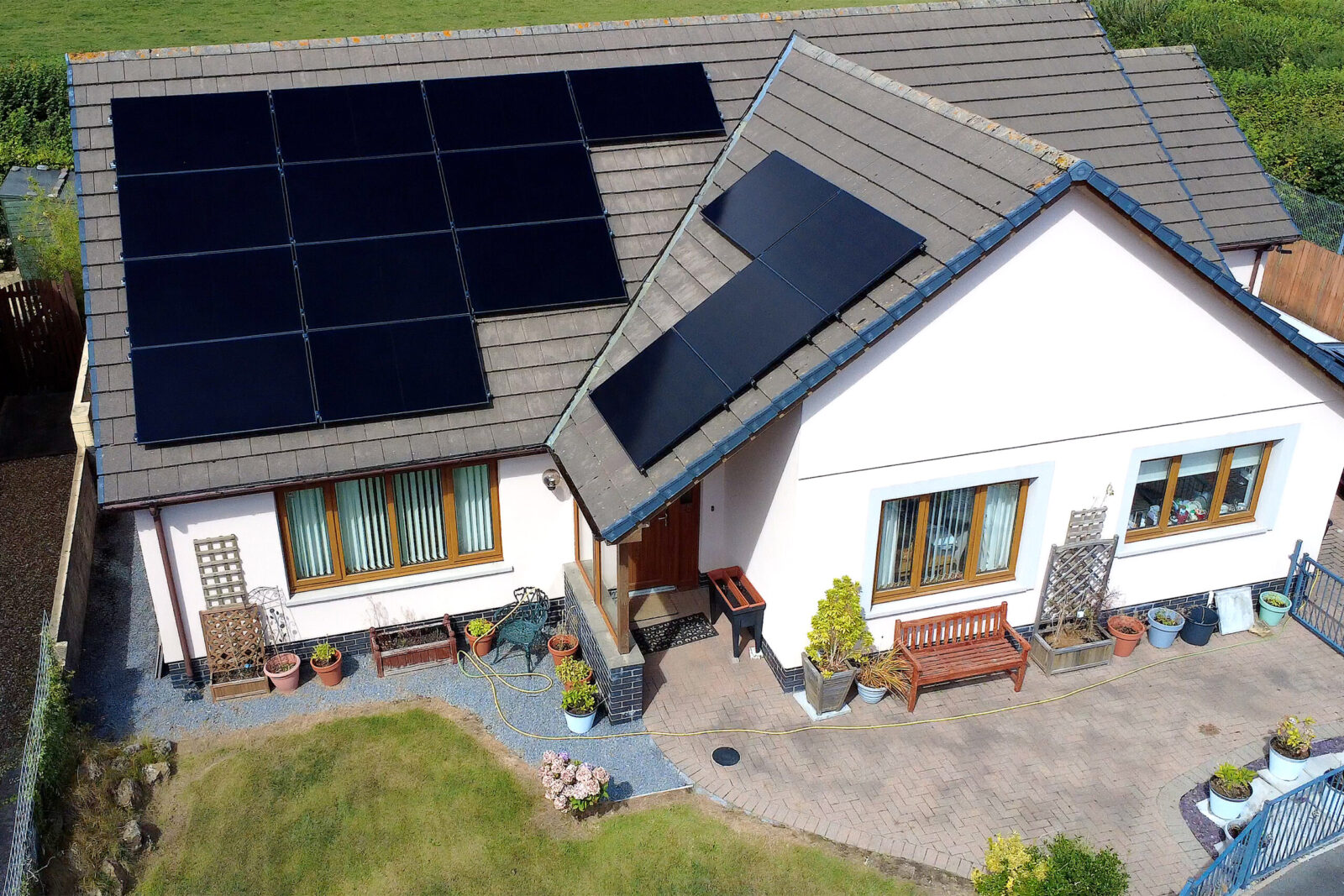
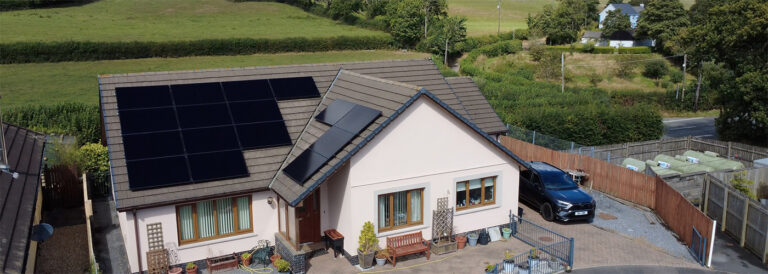
You have watched the scaffolding go up, heard the drills, seen the panels lifted into place — and now your home is finally generating its own clean electricity. It’s a brilliant feeling, isn’t it?

But before you settle into lower bills and sunnier days, there’s one last part of the journey that often gets overlooked, even though it matters just as much as the panels themselves:

The paperwork.

It might not feel exciting, but it’s the quiet hero of your installation. These documents prove your system is safe, compliant and ready for the long haul. And months or years from now, they’re the very things that will save you time, money and stress.

Before installation – knowing exactly what’s being installed

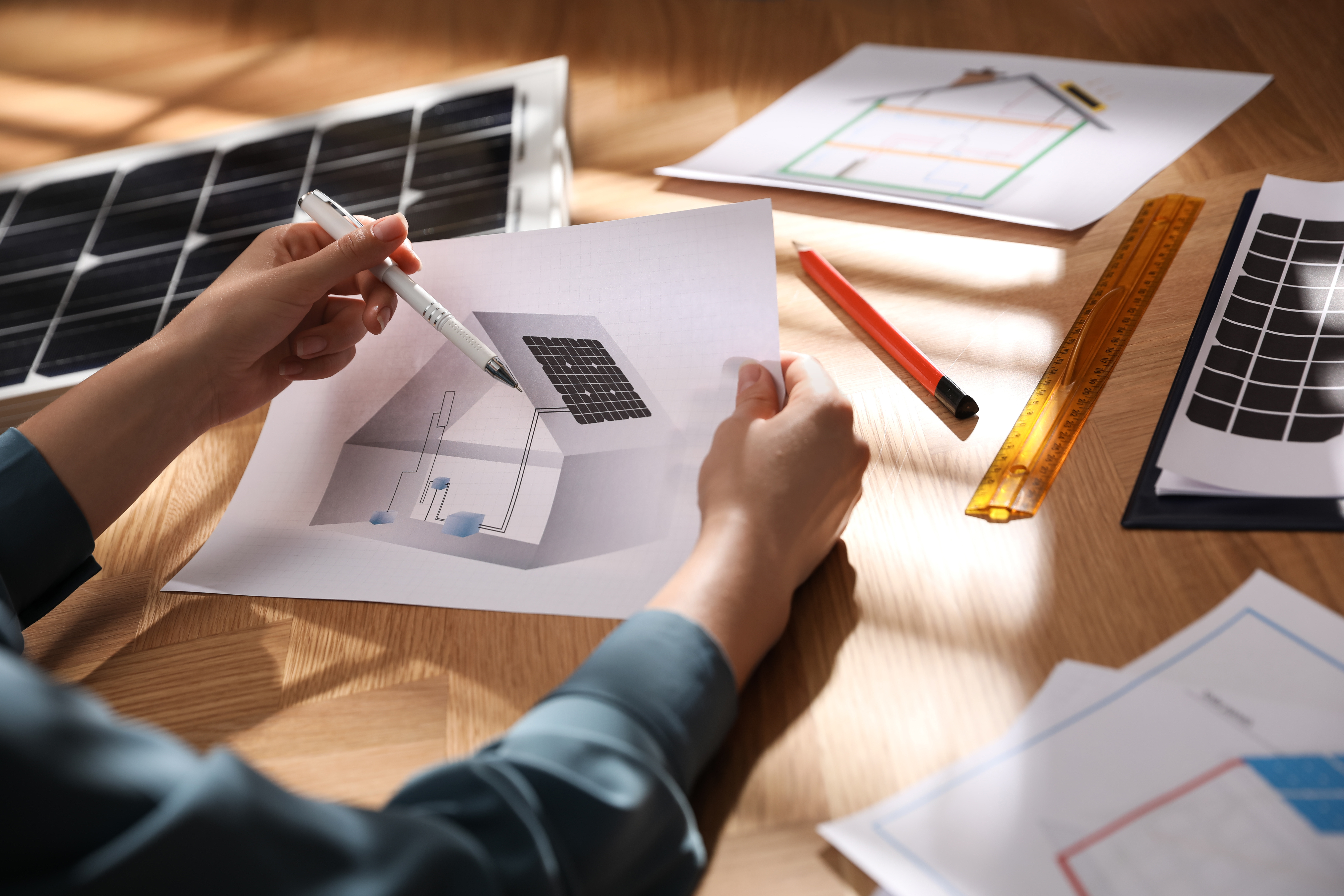
A good solar installation should never leave you guessing. Before anyone climbs a ladder, you should already feel clear and confident about what’s going on your roof.

Your installer should give you:

  • A detailed quotation and system design
  • Expected annual energy generation
  • Information about your panels, inverter and battery (if included)
  • Details of any DNO application (G98 or G99)
  • Confirmation that the installation will meet MCS standards

This stage is about trust. It’s about knowing you’re making the right investment — not just hoping you are.

During installation – the work you don’t always see

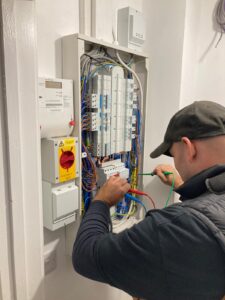
While the visible work is happening on your roof, there’s a quieter layer of the job unfolding behind the scenes. Your installation team is carrying out electrical tests, safety checks and system verifications that you’ll never see — but you’ll absolutely rely on later.

These records become part of your installation file. You may not receive them immediately, but they’ll appear in your final handover pack.

After installation – your complete handover pack

Once everything has been tested, commissioned and switched on, you should receive a handover pack. Think of it as the service history of your solar system — the story of how it was built, tested and approved.

It’s something you might tuck away for now, but you’ll be grateful for it when you need it.

Compliance certificates

These are the documents you’re most likely to need in the future:

    • MCS Certificate for your solar PV installation
    • MCS Certificate for your battery storage system (if applicable)

Your installer should also be MCS certified, which is a key requirement for accessing export payments. You can check what MCS certification means here:
MCS Certified.

  • Electrical Installation Certificate (EIC)
  • Building Regulations Compliance Certificate (where required)
  • DNO / National Grid confirmation, including your export MPAN number

Technical information.

Testing and commissioning records

These documents explain exactly how your system was put together:

    • Solar PV electrical schematic
    • Technical datasheets for your panels, inverter and battery
    • Test Certificates and serial numbers
    • Electrical testing results
    • Commissioning documentation
    • Performance verification records

These confirm that your system was operating safely and correctly on the day it was handed over. If you ever upgrade your system or need maintenance, these details become incredibly useful.

Operating your system

Even though modern solar systems are wonderfully low‑maintenance, you should still receive guidance on how everything works:

  • Startup and Shutdown procedure
  • Safety information
  • Maintenance recommendations
  • Manufacturer manuals

Warranties

Make sure you receive all warranty information covering both the equipment and the installation itself:

  • Solar panels
  • Inverter
  • Battery storage (if installed)
  • Installation workmanship

Why all this paperwork matters

When your system is running smoothly, it’s easy to forget about the documents tucked away in a drawer. But one day whether you are applying for SEG payments, selling your home or diagnosing a fault  then you will be glad you kept them safe.

You may need them to:

  • Register for Smart Export Guarantee (SEG) payments
  • Notify your home insurer
  • Sell your property
  • Upgrade your system
  • Make a warranty claim
  • Diagnose a technical issue

Your paperwork is proof. It’s protection. It’s peace of mind.

More than paperwork – it’s about the people behind it

At Solar Save Renewables, we have always believed that installing solar panels is only half the job. The real test of a good installer is what happens after the panels are up.

That is why every customer receives a clear, organised handover pack. And if you have questions weeks, months or even years later, we’re still here. No call centres. No ticket numbers. Just real people who know your system and want to help.

Our customers value:

  • A local team you can actually talk to
  • Honest, personalised advice
  • Ongoing aftercare and technical support
  • Clear communication from start to finish
  • A company that is proud of its work

Choosing a solar installer isn’t just about comparing quotes. It’s about choosing people you’ll still feel comfortable calling in five or ten years’ time.

Because when you choose local, you’re not just investing in solar panels, you’re investing in peace of mind.

A solar installation should leave you with more than a working system. It should leave you feeling confident, informed and supported.

The right paperwork gives you certainty. The right installer gives you trust. And together, they make your solar journey something you can feel genuinely proud of.

Anyone can install solar panels. The best installers make sure you understand them.

At Solar Save Renewables, we believe the job isn’t finished when the panels start generating electricity. It’s finished when you know exactly how your system works, have every document safely in your hands, and feel confident that if you ever have a question, you’ll speak to someone who knows both your system and your name.

That is why we don’t just install solar. We build long-term relationships with homeowners across Wales. Because solar is an investment for the next 25 years—and we believe your installer should be there for the journey too.
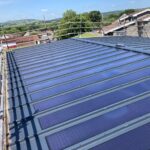
Installation of peel and stick solar panels completed
Solar panel and battery storage installation in Carmarthenshire by Solar Save Renewables
Read More
Home in Wales with solar PV panels and battery storage providing backup electricity during a UK power outage

What Happens During a Power Cut & How Backup Power Works

Backup power from solar battery systems is not always guaranteed during a power cut.

Many homeowners assume that solar panels and battery storage automatically provide backup power, but this depends entirely on system design and installed equipment.

In this guide, we explain how backup power works, why most solar systems shut down, and what is needed to keep your home running during a blackout.

Learn more about our solar PV panels and battery storage systems.

One of the most common questions we receive from homeowners considering battery storage is:
“If there’s a power cut, will my solar panels and battery keep my house running?”

Why Solar Systems Do Not Provide Backup Power During a Power Cut

Standard grid-connected solar systems are designed to shut down automatically when the electricity network fails. This is called anti-islanding protection.

This safety requirement exists to protect engineers working on the grid and is mandated under UK standards G98 and G99.

Key takeaway:
Even if your solar panels are generating power and your battery is full, your system will shut down without backup equipment.

  • Sunlight does NOT guarantee power during outages
  • Batteries alone do NOT guarantee backup
  • Grid-tied systems are designed to shut down for safety

What Is a Solar Battery Backup System?

A solar battery backup system allows your home to continue running during a power cut by disconnecting from the grid and using stored energy.

This creates a self-sufficient system known as:

  • Emergency Power Supply (EPS)
  • Island Mode
  • Backup Mode
  • Off-Grid Mode
In simple terms:
Your home temporarily becomes independent from the grid during a power outage.

What Equipment Is Needed for Backup Power?

A battery alone is not enough. A proper backup system requires multiple components working together.

Hybrid / Backup-Capable Inverter

  • Supports EPS (Emergency Power Supply)
  • Enables island mode operation
  • Manages solar + battery switching

Gateway / Automatic Transfer Switch (ATS)

  • Detects grid failure
  • Disconnects home from grid
  • Prevents back-feeding electricity

Independent Earthing System (UK Critical Requirement)

  • Earth rod (earth electrode)
  • Earthing changeover system
  • Maintains safety in island mode

Important UK safety note:
When the grid disconnects, the property loses its utility earth connection and must switch to a local earth rod system.

Essential Loads Consumer Unit (Optional)

  • Lighting circuits
  • Fridge/freezer
  • Internet router
  • Heating controls

Cost-saving tip:
Most homeowners choose essential loads backup instead of full house backup to maximise battery duration.

How Grid Isolation Works

The gateway continuously monitors the grid supply. When a power cut is detected, it disconnects your home and allows the battery to take over safely.
  • Prevents electricity feeding back into the grid
  • Enables safe island mode operation
  • Keeps essential circuits running
Without a gateway, most battery systems will shut down completely during a power cut.

Solar systems must comply with UK grid connection standards set out under G98 and G99 regulations, which ensure safe disconnection during a power cut.

How Fast Does Backup Power Switch Over?

When the grid fails, the system automatically switches to battery power.

Typical switch times range from 20 milliseconds to 2 seconds.

  • Most appliances continue running normally
  • Some sensitive devices may briefly reboot

Sensitive devices include:

  • Broadband routers
  • Desktop computers
  • CCTV systems
  • Home servers
If uninterrupted internet or computing is critical, a small UPS can bridge the gap during switching.

UPS vs Solar Battery Backup: What’s the Difference?

Many homeowners confuse a solar battery backup system with an Uninterruptible Power Supply (UPS). While both provide backup power, they serve completely different purposes.

Feature Solar Battery Backup (EPS) Dedicated UPS
Primary Purpose Powers household circuits during outages Keeps individual devices running
Typical Runtime Hours or even days Minutes to a few hours
Switch Time 20ms to 2 seconds Near-instant (0ms–10ms)
Power Source Solar panels and battery storage Internal battery
Best For Lighting, refrigeration, heating controls Routers, computers, servers
Long-Term Backup Excellent Limited

Many homeowners choose to use both technologies together. The solar battery provides long-duration backup power for the home, while a small dedicated UPS protects sensitive electronics from brief interruptions during switch-over.

What Happens to the Battery Overnight?

Your battery gradually discharges overnight to power your home.

Most systems allow you to reserve a percentage for backup protection in case of outages.

  • Smart tariff charging during off-peak hours
  • Automatic energy management
  • Backup reserve settings (10–30%)

Full House vs Essential Loads Backup

Essential Loads

Only key circuits are powered, improving battery duration and cost efficiency.

Full House Backup

Powers almost the entire home for maximum convenience during outages.

Essential loads systems are the most common choice in UK homes due to cost and efficiency balance.

And the final Question: Is Battery Backup Worth It?

Backup systems add cost but significantly increase energy resilience and independence. For many homeowners, the main value is simple: peace of mind during a power cut.

Explore our solar PV and battery storage solutions.

Solar PV panels and home battery storage system providing backup power during a UK electricity outage
Read More
Home battery system storing excess solar energy for evening household use

How to Get Paid for Electricity You Export (2026)

If you are looking into solar panels in Wales, especially in areas like Carmarthenshire and West Wales, you will quickly come across two terms that affect how you get paid for the electricity you generate: Feed-in Tariff (FiT) and Smart Export Guarantee (SEG).

For most homeowners, this leads to the same question: “Am I missing out on payments — and can I use both schemes to earn more?”

The short answer is no. However, the real explanation is where things become important when assessing your true Return on Investment (ROI) in 2026 and understanding how solar actually pays back today.

The Feed-in Tariff (FiT): The Legacy Era

The Feed-in Tariff was the original UK solar payment scheme, and for many early adopters in Wales, it was extremely generous. It paid households for both generating electricity and exporting unused power back to the National Grid. Even if you consumed your own solar power, you were still paid for generating it.

2026 Status Update:

  • Closed to new applicants: The scheme officially ended for new systems in April 2019.
  • Grandfathered rights: Existing contracts remain fully active and will run for their original 20 to 25-year terms.
  • The Reality: If a neighbour says they get paid high generation rates for their solar, they are on a legacy FiT contract.

The Smart Export Guarantee (SEG): The Modern Standard

If you install solar panels in Wales today, you will register under the Smart Export Guarantee (SEG). Unlike FiT, SEG is much simpler: you only get paid for the electricity you do not use and export back to the grid. There are no generation payments or incentives for self-use.

This shift is important because it changes how solar value is measured. Instead of being an income-based system, SEG is now mainly an export compensation mechanism.

Key Rules of SEG:

    • Supplier-Led: It is not a fixed government rate. Licensed energy suppliers set their own export tariffs. According to the official Ofgem SEG Supplier List, suppliers must offer a rate greater than zero.
    • Mandatory Requirements: To qualify, your solar system must be fitted by an MCS-certified installer, and your home must have a working smart meter to track half-hourly export data.

In simple terms: FiT is a legacy income scheme, while SEG is the only option for new solar installations in Wales today.

At-a-Glance: FiT vs SEG

FeatureFeed-in Tariff (FiT)Smart Export Guarantee (SEG)
Current Status (2026)Closed (Legacy installations only)Active & open to new buyers
Paid for Generation?✅ Yes❌ No
Paid for Export?✅ Yes✅ Yes
Rates Set ByGovernment-backed fixed ratesCommercial Energy Suppliers
Compliance NeededHistoric registrationMCS Certificate & Smart Meter

Realistic Solar Earnings in Wales (2026)

Export rates vary significantly depending on the energy supplier and tariff type. Standard SEG tariffs typically range between 4p and 15p per kWh, although some variable or time-based tariffs may fluctuate depending on market conditions.

Most homeowners across regional Wales typically fall into these annual SEG payout ranges:

  • Small System (2–3kW): £50 – £120 per year
  • Average Home System (3–4kW): £100 – £300 per year
  • Optimised System (Smart Usage + Battery Storage): £300+ per year

The Big Misconception:

SEG is not where your real savings come from anymore. Buying electricity from the grid is usually far more expensive than what suppliers pay you for exporting it. As highlighted in the Which? Solar analysis, the real financial benefit comes from self-consumption — using your own solar electricity directly instead of buying it from the grid.

Can You Use FiT and SEG at the Same Time?

No. You cannot use both schemes on the same solar panel system.

FiT is a locked, historic contract. If your system is on FiT, switching to SEG would cause you to forfeit your generation payments, which is financially disadvantageous. If you install a new solar array today, it automatically defaults to the SEG framework.

The Only Exception:

You can technically receive both only if you already have an older, legacy FiT system installed years ago PLUS a completely new, physically separate second solar array. These must be entirely separate installations with distinct wiring and independent export meters.

Is Solar Still Worth It in Wales for 2026?

Yes — but the financial logic has changed. Older solar systems were driven by subsidies and export income. Modern solar economics are now driven by energy savings and independence.

Instead of asking, “How much will I earn from exporting?”, the more important question is, “How much grid electricity can I avoid buying?”

This is especially relevant for homes across Carmarthenshire and rural Wales, where energy use is often higher and grid reliance is greater.

By pairing modern high-efficiency panels with home battery storage, you can store daytime generation and use it in the evening. This reduces exposure to peak electricity prices and improves long-term savings.

FAQ (Real Customer Questions)

“Can I still get paid for electricity I export with solar panels in Wales?” — G. Davies, Carmarthen

Yes. New solar installations qualify for the Smart Export Guarantee (SEG). Licensed energy suppliers will pay you directly for every kilowatt-hour (kWh) of unused solar electricity you send back to the grid.

“Is the Feed-in Tariff completely gone for new buyers?” — D. Evans, Llanelli

Yes. The Feed-in Tariff closed to new applicants UK-wide in 2019. It has been entirely replaced by the Smart Export Guarantee (SEG) for all modern installations.


Understand Your Solar Savings Before You Decide

If you are considering solar panels, the most important step is understanding how much electricity your system could realistically generate and save you over time.

That’s why every quote we provide includes a performance estimate based on your property, roof structure, and typical electricity usage. This gives you a clear picture of your potential return on investment before making any commitment.

Get in touch today to receive your personalised solar performance estimate for your home.

Learn more about Solar and Batteries

{"type":"elementor","siteurl":"https://solarsaverenewables.co.uk/wp-json/","elements":[{"id":"9bd80d2","elType":"widget","isInner":false,"isLocked":false,"settings":{"image":{"url":"https://solarsaverenewables.co.uk/wp-content/plugins/elementor/assets/images/placeholder.png","id":"","size":""},"image_size":"large","image_custom_dimension":{"width":"","height":""},"caption_source":"none","caption":"","link_to":"none","link":{"url":"","is_external":"","nofollow":"","custom_attributes":""},"open_lightbox":"default","align":"","align_tablet":"","align_mobile":"","width":{"unit":"%","size":"","sizes":[]},"width_tablet":{"unit":"%","size":"","sizes":[]},"width_mobile":{"unit":"%","size":"","sizes":[]},"space":{"unit":"%","size":"","sizes":[]},"space_tablet":{"unit":"%","size":"","sizes":[]},"space_mobile":{"unit":"%","size":"","sizes":[]},"height":{"unit":"px","size":"","sizes":[]},"height_tablet":{"unit":"px","size":"","sizes":[]},"height_mobile":{"unit":"px","size":"","sizes":[]},"object-fit":"","object-fit_tablet":"","object-fit_mobile":"","object-position":"center center","object-position_tablet":"","object-position_mobile":"","opacity":{"unit":"px","size":"","sizes":[]},"css_filters_css_filter":"","css_filters_blur":{"unit":"px","size":0,"sizes":[]},"css_filters_brightness":{"unit":"px","size":100,"sizes":[]},"css_filters_contrast":{"unit":"px","size":100,"sizes":[]},"css_filters_saturate":{"unit":"px","size":100,"sizes":[]},"css_filters_hue":{"unit":"px","size":0,"sizes":[]},"opacity_hover":{"unit":"px","size":"","sizes":[]},"css_filters_hover_css_filter":"","css_filters_hover_blur":{"unit":"px","size":0,"sizes":[]},"css_filters_hover_brightness":{"unit":"px","size":100,"sizes":[]},"css_filters_hover_contrast":{"unit":"px","size":100,"sizes":[]},"css_filters_hover_saturate":{"unit":"px","size":100,"sizes":[]},"css_filters_hover_hue":{"unit":"px","size":0,"sizes":[]},"background_hover_transition":{"unit":"px","size":"","sizes":[]},"hover_animation":"","image_border_border":"","image_border_width":{"unit":"px","top":"","right":"","bottom":"","left":"","isLinked":true},"image_border_width_tablet":{"unit":"px","top":"","right":"","bottom":"","left":"","isLinked":true},"image_border_width_mobile":{"unit":"px","top":"","right":"","bottom":"","left":"","isLinked":true},"image_border_color":"","image_border_radius":{"unit":"px","top":"","right":"","bottom":"","left":"","isLinked":true},"image_border_radius_tablet":{"unit":"px","top":"","right":"","bottom":"","left":"","isLinked":true},"image_border_radius_mobile":{"unit":"px","top":"","right":"","bottom":"","left":"","isLinked":true},"image_box_shadow_box_shadow_type":"","image_box_shadow_box_shadow":{"horizontal":0,"vertical":0,"blur":10,"spread":0,"color":"rgba(0,0,0,0.5)"},"caption_align":"","caption_align_tablet":"","caption_align_mobile":"","text_color":"","caption_background_color":"","caption_typography_typography":"","caption_typography_font_family":"","caption_typography_font_size":{"unit":"px","size":"","sizes":[]},"caption_typography_font_size_tablet":{"unit":"px","size":"","sizes":[]},"caption_typography_font_size_mobile":{"unit":"px","size":"","sizes":[]},"caption_typography_font_weight":"","caption_typography_text_transform":"","caption_typography_font_style":"","caption_typography_text_decoration":"","caption_typography_line_height":{"unit":"px","size":"","sizes":[]},"caption_typography_line_height_tablet":{"unit":"em","size":"","sizes":[]},"caption_typography_line_height_mobile":{"unit":"em","size":"","sizes":[]},"caption_typography_letter_spacing":{"unit":"px","size":"","sizes":[]},"caption_typography_letter_spacing_tablet":{"unit":"px","size":"","sizes":[]},"caption_typography_letter_spacing_mobile":{"unit":"px","size":"","sizes":[]},"caption_typography_word_spacing":{"unit":"px","size":"","sizes":[]},"caption_typography_word_spacing_tablet":{"unit":"em","size":"","sizes":[]},"caption_typography_word_spacing_mobile":{"unit":"em","size":"","sizes":[]},"caption_text_shadow_text_shadow_type":"","caption_text_shadow_text_shadow":{"horizontal":0,"vertical":0,"blur":10,"color":"rgba(0,0,0,0.3)"},"caption_space":{"unit":"px","size":"","sizes":[]},"caption_space_tablet":{"unit":"px","size":"","sizes":[]},"caption_space_mobile":{"unit":"px","size":"","sizes":[]},"_title":"","_margin":{"unit":"px","top":"","right":"","bottom":"","left":"","isLinked":true},"_margin_tablet":{"unit":"px","top":"","right":"","bottom":"","left":"","isLinked":true},"_margin_mobile":{"unit":"px","top":"","right":"","bottom":"","left":"","isLinked":true},"_padding":{"unit":"px","top":"","right":"","bottom":"","left":"","isLinked":true},"_padding_tablet":{"unit":"px","top":"","right":"","bottom":"","left":"","isLinked":true},"_padding_mobile":{"unit":"px","top":"","right":"","bottom":"","left":"","isLinked":true},"_element_width":"","_element_width_tablet":"","_element_width_mobile":"","_element_custom_width":{"unit":"%","size":"","sizes":[]},"_element_custom_width_tablet":{"unit":"px","size":"","sizes":[]},"_element_custom_width_mobile":{"unit":"px","size":"","sizes":[]},"_grid_column":"","_grid_column_tablet":"","_grid_column_mobile":"","_grid_column_custom":"","_grid_column_custom_tablet":"","_grid_column_custom_mobile":"","_grid_row":"","_grid_row_tablet":"","_grid_row_mobile":"","_grid_row_custom":"","_grid_row_custom_tablet":"","_grid_row_custom_mobile":"","_flex_align_self":"","_flex_align_self_tablet":"","_flex_align_self_mobile":"","_flex_order":"","_flex_order_tablet":"","_flex_order_mobile":"","_flex_order_custom":"","_flex_order_custom_tablet":"","_flex_order_custom_mobile":"","_flex_size":"","_flex_size_tablet":"","_flex_size_mobile":"","_flex_grow":1,"_flex_grow_tablet":"","_flex_grow_mobile":"","_flex_shrink":1,"_flex_shrink_tablet":"","_flex_shrink_mobile":"","_element_vertical_align":"","_element_vertical_align_tablet":"","_element_vertical_align_mobile":"","_position":"","_offset_orientation_h":"start","_offset_x":{"unit":"px","size":0,"sizes":[]},"_offset_x_tablet":{"unit":"px","size":"","sizes":[]},"_offset_x_mobile":{"unit":"px","size":"","sizes":[]},"_offset_x_end":{"unit":"px","size":0,"sizes":[]},"_offset_x_end_tablet":{"unit":"px","size":"","sizes":[]},"_offset_x_end_mobile":{"unit":"px","size":"","sizes":[]},"_offset_orientation_v":"start","_offset_y":{"unit":"px","size":0,"sizes":[]},"_offset_y_tablet":{"unit":"px","size":"","sizes":[]},"_offset_y_mobile":{"unit":"px","size":"","sizes":[]},"_offset_y_end":{"unit":"px","size":0,"sizes":[]},"_offset_y_end_tablet":{"unit":"px","size":"","sizes":[]},"_offset_y_end_mobile":{"unit":"px","size":"","sizes":[]},"_z_index":"","_z_index_tablet":"","_z_index_mobile":"","_element_id":"","_css_classes":"","_element_cache":"","_animation":"","_animation_tablet":"","_animation_mobile":"","animation_duration":"","_animation_delay":"","_transform_rotate_popover":"","_transform_rotateZ_effect":{"unit":"px","size":"","sizes":[]},"_transform_rotateZ_effect_tablet":{"unit":"deg","size":"","sizes":[]},"_transform_rotateZ_effect_mobile":{"unit":"deg","size":"","sizes":[]},"_transform_rotate_3d":"","_transform_rotateX_effect":{"unit":"px","size":"","sizes":[]},"_transform_rotateX_effect_tablet":{"unit":"deg","size":"","sizes":[]},"_transform_rotateX_effect_mobile":{"unit":"deg","size":"","sizes":[]},"_transform_rotateY_effect":{"unit":"px","size":"","sizes":[]},"_transform_rotateY_effect_tablet":{"unit":"deg","size":"","sizes":[]},"_transform_rotateY_effect_mobile":{"unit":"deg","size":"","sizes":[]},"_transform_perspective_effect":{"unit":"px","size":"","sizes":[]},"_transform_perspective_effect_tablet":{"unit":"px","size":"","sizes":[]},"_transform_perspective_effect_mobile":{"unit":"px","size":"","sizes":[]},"_transform_translate_popover":"","_transform_translateX_effect":{"unit":"px","size":"","sizes":[]},"_transform_translateX_effect_tablet":{"unit":"px","size":"","sizes":[]},"_transform_translateX_effect_mobile":{"unit":"px","size":"","sizes":[]},"_transform_translateY_effect":{"unit":"px","size":"","sizes":[]},"_transform_translateY_effect_tablet":{"unit":"px","size":"","sizes":[]},"_transform_translateY_effect_mobile":{"unit":"px","size":"","sizes":[]},"_transform_scale_popover":"","_transform_keep_proportions":"yes","_transform_scale_effect":{"unit":"px","size":"","sizes":[]},"_transform_scale_effect_tablet":{"unit":"px","size":"","sizes":[]},"_transform_scale_effect_mobile":{"unit":"px","size":"","sizes":[]},"_transform_scaleX_effect":{"unit":"px","size":"","sizes":[]},"_transform_scaleX_effect_tablet":{"unit":"px","size":"","sizes":[]},"_transform_scaleX_effect_mobile":{"unit":"px","size":"","sizes":[]},"_transform_scaleY_effect":{"unit":"px","size":"","sizes":[]},"_transform_scaleY_effect_tablet":{"unit":"px","size":"","sizes":[]},"_transform_scaleY_effect_mobile":{"unit":"px","size":"","sizes":[]},"_transform_skew_popover":"","_transform_skewX_effect":{"unit":"px","size":"","sizes":[]},"_transform_skewX_effect_tablet":{"unit":"deg","size":"","sizes":[]},"_transform_skewX_effect_mobile":{"unit":"deg","size":"","sizes":[]},"_transform_skewY_effect":{"unit":"px","size":"","sizes":[]},"_transform_skewY_effect_tablet":{"unit":"deg","size":"","sizes":[]},"_transform_skewY_effect_mobile":{"unit":"deg","size":"","sizes":[]},"_transform_flipX_effect":"","_transform_flipY_effect":"","_transform_rotate_popover_hover":"","_transform_rotateZ_effect_hover":{"unit":"px","size":"","sizes":[]},"_transform_rotateZ_effect_hover_tablet":{"unit":"deg","size":"","sizes":[]},"_transform_rotateZ_effect_hover_mobile":{"unit":"deg","size":"","sizes":[]},"_transform_rotate_3d_hover":"","_transform_rotateX_effect_hover":{"unit":"px","size":"","sizes":[]},"_transform_rotateX_effect_hover_tablet":{"unit":"deg","size":"","sizes":[]},"_transform_rotateX_effect_hover_mobile":{"unit":"deg","size":"","sizes":[]},"_transform_rotateY_effect_hover":{"unit":"px","size":"","sizes":[]},"_transform_rotateY_effect_hover_tablet":{"unit":"deg","size":"","sizes":[]},"_transform_rotateY_effect_hover_mobile":{"unit":"deg","size":"","sizes":[]},"_transform_perspective_effect_hover":{"unit":"px","size":"","sizes":[]},"_transform_perspective_effect_hover_tablet":{"unit":"px","size":"","sizes":[]},"_transform_perspective_effect_hover_mobile":{"unit":"px","size":"","sizes":[]},"_transform_translate_popover_hover":"","_transform_translateX_effect_hover":{"unit":"px","size":"","sizes":[]},"_transform_translateX_effect_hover_tablet":{"unit":"px","size":"","sizes":[]},"_transform_translateX_effect_hover_mobile":{"unit":"px","size":"","sizes":[]},"_transform_translateY_effect_hover":{"unit":"px","size":"","sizes":[]},"_transform_translateY_effect_hover_tablet":{"unit":"px","size":"","sizes":[]},"_transform_translateY_effect_hover_mobile":{"unit":"px","size":"","sizes":[]},"_transform_scale_popover_hover":"","_transform_keep_proportions_hover":"yes","_transform_scale_effect_hover":{"unit":"px","size":"","sizes":[]},"_transform_scale_effect_hover_tablet":{"unit":"px","size":"","sizes":[]},"_transform_scale_effect_hover_mobile":{"unit":"px","size":"","sizes":[]},"_transform_scaleX_effect_hover":{"unit":"px","size":"","sizes":[]},"_transform_scaleX_effect_hover_tablet":{"unit":"px","size":"","sizes":[]},"_transform_scaleX_effect_hover_mobile":{"unit":"px","size":"","sizes":[]},"_transform_scaleY_effect_hover":{"unit":"px","size":"","sizes":[]},"_transform_scaleY_effect_hover_tablet":{"unit":"px","size":"","sizes":[]},"_transform_scaleY_effect_hover_mobile":{"unit":"px","size":"","sizes":[]},"_transform_skew_popover_hover":"","_transform_skewX_effect_hover":{"unit":"px","size":"","sizes":[]},"_transform_skewX_effect_hover_tablet":{"unit":"deg","size":"","sizes":[]},"_transform_skewX_effect_hover_mobile":{"unit":"deg","size":"","sizes":[]},"_transform_skewY_effect_hover":{"unit":"px","size":"","sizes":[]},"_transform_skewY_effect_hover_tablet":{"unit":"deg","size":"","sizes":[]},"_transform_skewY_effect_hover_mobile":{"unit":"deg","size":"","sizes":[]},"_transform_flipX_effect_hover":"","_transform_flipY_effect_hover":"","_transform_transition_hover":{"unit":"px","size":"","sizes":[]},"motion_fx_transform_x_anchor_point":"","motion_fx_transform_x_anchor_point_tablet":"","motion_fx_transform_x_anchor_point_mobile":"","motion_fx_transform_y_anchor_point":"","motion_fx_transform_y_anchor_point_tablet":"","motion_fx_transform_y_anchor_point_mobile":"","_background_background":"","_background_color":"","_background_color_stop":{"unit":"%","size":0,"sizes":[]},"_background_color_stop_tablet":{"unit":"%"},"_background_color_stop_mobile":{"unit":"%"},"_background_color_b":"#f2295b","_background_color_b_stop":{"unit":"%","size":100,"sizes":[]},"_background_color_b_stop_tablet":{"unit":"%"},"_background_color_b_stop_mobile":{"unit":"%"},"_background_gradient_type":"linear","_background_gradient_angle":{"unit":"deg","size":180,"sizes":[]},"_background_gradient_angle_tablet":{"unit":"deg"},"_background_gradient_angle_mobile":{"unit":"deg"},"_background_gradient_position":"center center","_background_gradient_position_tablet":"","_background_gradient_position_mobile":"","_background_image":{"url":"","id":"","size":""},"_background_image_tablet":{"url":"","id":"","size":""},"_background_image_mobile":{"url":"","id":"","size":""},"_background_position":"","_background_position_tablet":"","_background_position_mobile":"","_background_xpos":{"unit":"px","size":0,"sizes":[]},"_background_xpos_tablet":{"unit":"px","size":0,"sizes":[]},"_background_xpos_mobile":{"unit":"px","size":0,"sizes":[]},"_background_ypos":{"unit":"px","size":0,"sizes":[]},"_background_ypos_tablet":{"unit":"px","size":0,"sizes":[]},"_background_ypos_mobile":{"unit":"px","size":0,"sizes":[]},"_background_attachment":"","_background_repeat":"","_background_repeat_tablet":"","_background_repeat_mobile":"","_background_size":"","_background_size_tablet":"","_background_size_mobile":"","_background_bg_width":{"unit":"%","size":100,"sizes":[]},"_background_bg_width_tablet":{"unit":"px","size":"","sizes":[]},"_background_bg_width_mobile":{"unit":"px","size":"","sizes":[]},"_background_video_link":"","_background_video_start":"","_background_video_end":"","_background_play_once":"","_background_play_on_mobile":"","_background_privacy_mode":"","_background_video_fallback":{"url":"","id":"","size":""},"_background_slideshow_gallery":[],"_background_slideshow_loop":"yes","_background_slideshow_slide_duration":5000,"_background_slideshow_slide_transition":"fade","_background_slideshow_transition_duration":500,"_background_slideshow_background_size":"","_background_slideshow_background_size_tablet":"","_background_slideshow_background_size_mobile":"","_background_slideshow_background_position":"","_background_slideshow_background_position_tablet":"","_background_slideshow_background_position_mobile":"","_background_slideshow_lazyload":"","_background_slideshow_ken_burns":"","_background_slideshow_ken_burns_zoom_direction":"in","_background_hover_background":"","_background_hover_color":"","_background_hover_color_stop":{"unit":"%","size":0,"sizes":[]},"_background_hover_color_stop_tablet":{"unit":"%"},"_background_hover_color_stop_mobile":{"unit":"%"},"_background_hover_color_b":"#f2295b","_background_hover_color_b_stop":{"unit":"%","size":100,"sizes":[]},"_background_hover_color_b_stop_tablet":{"unit":"%"},"_background_hover_color_b_stop_mobile":{"unit":"%"},"_background_hover_gradient_type":"linear","_background_hover_gradient_angle":{"unit":"deg","size":180,"sizes":[]},"_background_hover_gradient_angle_tablet":{"unit":"deg"},"_background_hover_gradient_angle_mobile":{"unit":"deg"},"_background_hover_gradient_position":"center center","_background_hover_gradient_position_tablet":"","_background_hover_gradient_position_mobile":"","_background_hover_image":{"url":"","id":"","size":""},"_background_hover_image_tablet":{"url":"","id":"","size":""},"_background_hover_image_mobile":{"url":"","id":"","size":""},"_background_hover_position":"","_background_hover_position_tablet":"","_background_hover_position_mobile":"","_background_hover_xpos":{"unit":"px","size":0,"sizes":[]},"_background_hover_xpos_tablet":{"unit":"px","size":0,"sizes":[]},"_background_hover_xpos_mobile":{"unit":"px","size":0,"sizes":[]},"_background_hover_ypos":{"unit":"px","size":0,"sizes":[]},"_background_hover_ypos_tablet":{"unit":"px","size":0,"sizes":[]},"_background_hover_ypos_mobile":{"unit":"px","size":0,"sizes":[]},"_background_hover_attachment":"","_background_hover_repeat":"","_background_hover_repeat_tablet":"","_background_hover_repeat_mobile":"","_background_hover_size":"","_background_hover_size_tablet":"","_background_hover_size_mobile":"","_background_hover_bg_width":{"unit":"%","size":100,"sizes":[]},"_background_hover_bg_width_tablet":{"unit":"px","size":"","sizes":[]},"_background_hover_bg_width_mobile":{"unit":"px","size":"","sizes":[]},"_background_hover_video_link":"","_background_hover_video_start":"","_background_hover_video_end":"","_background_hover_play_once":"","_background_hover_play_on_mobile":"","_background_hover_privacy_mode":"","_background_hover_video_fallback":{"url":"","id":"","size":""},"_background_hover_slideshow_gallery":[],"_background_hover_slideshow_loop":"yes","_background_hover_slideshow_slide_duration":5000,"_background_hover_slideshow_slide_transition":"fade","_background_hover_slideshow_transition_duration":500,"_background_hover_slideshow_background_size":"","_background_hover_slideshow_background_size_tablet":"","_background_hover_slideshow_background_size_mobile":"","_background_hover_slideshow_background_position":"","_background_hover_slideshow_background_position_tablet":"","_background_hover_slideshow_background_position_mobile":"","_background_hover_slideshow_lazyload":"","_background_hover_slideshow_ken_burns":"","_background_hover_slideshow_ken_burns_zoom_direction":"in","_background_hover_transition":{"unit":"px","size":"","sizes":[]},"_border_border":"","_border_width":{"unit":"px","top":"","right":"","bottom":"","left":"","isLinked":true},"_border_width_tablet":{"unit":"px","top":"","right":"","bottom":"","left":"","isLinked":true},"_border_width_mobile":{"unit":"px","top":"","right":"","bottom":"","left":"","isLinked":true},"_border_color":"","_border_radius":{"unit":"px","top":"","right":"","bottom":"","left":"","isLinked":true},"_border_radius_tablet":{"unit":"px","top":"","right":"","bottom":"","left":"","isLinked":true},"_border_radius_mobile":{"unit":"px","top":"","right":"","bottom":"","left":"","isLinked":true},"_box_shadow_box_shadow_type":"","_box_shadow_box_shadow":{"horizontal":0,"vertical":0,"blur":10,"spread":0,"color":"rgba(0,0,0,0.5)"},"_box_shadow_box_shadow_position":" ","_border_hover_border":"","_border_hover_width":{"unit":"px","top":"","right":"","bottom":"","left":"","isLinked":true},"_border_hover_width_tablet":{"unit":"px","top":"","right":"","bottom":"","left":"","isLinked":true},"_border_hover_width_mobile":{"unit":"px","top":"","right":"","bottom":"","left":"","isLinked":true},"_border_hover_color":"","_border_radius_hover":{"unit":"px","top":"","right":"","bottom":"","left":"","isLinked":true},"_border_radius_hover_tablet":{"unit":"px","top":"","right":"","bottom":"","left":"","isLinked":true},"_border_radius_hover_mobile":{"unit":"px","top":"","right":"","bottom":"","left":"","isLinked":true},"_box_shadow_hover_box_shadow_type":"","_box_shadow_hover_box_shadow":{"horizontal":0,"vertical":0,"blur":10,"spread":0,"color":"rgba(0,0,0,0.5)"},"_box_shadow_hover_box_shadow_position":" ","_border_hover_transition":{"unit":"px","size":"","sizes":[]},"_mask_switch":"","_mask_shape":"circle","_mask_image":{"url":"","id":"","size":""},"_mask_image_tablet":{"url":"","id":"","size":""},"_mask_image_mobile":{"url":"","id":"","size":""},"_mask_size":"contain","_mask_size_tablet":"","_mask_size_mobile":"","_mask_size_scale":{"unit":"%","size":100,"sizes":[]},"_mask_size_scale_tablet":{"unit":"px","size":"","sizes":[]},"_mask_size_scale_mobile":{"unit":"px","size":"","sizes":[]},"_mask_position":"center center","_mask_position_tablet":"","_mask_position_mobile":"","_mask_position_x":{"unit":"%","size":0,"sizes":[]},"_mask_position_x_tablet":{"unit":"px","size":"","sizes":[]},"_mask_position_x_mobile":{"unit":"px","size":"","sizes":[]},"_mask_position_y":{"unit":"%","size":0,"sizes":[]},"_mask_position_y_tablet":{"unit":"px","size":"","sizes":[]},"_mask_position_y_mobile":{"unit":"px","size":"","sizes":[]},"_mask_repeat":"no-repeat","_mask_repeat_tablet":"","_mask_repeat_mobile":"","hide_desktop":"","hide_tablet":"","hide_mobile":""},"defaultEditSettings":{"defaultEditRoute":"content"},"elements":[],"title":"Image","categories":["basic"],"keywords":["image","photo","visual"],"icon":"eicon-image","widgetType":"image","hideOnSearch":false,"editSettings":{"defaultEditRoute":"content","panel":{"activeTab":"content","activeSection":"section_image"}},"htmlCache":""}]}
Read More
Residential solar panel installation on a UK home requiring DNO approval.

Confused About G99, DNOs and Solar Approval? Here’s a Simple Guide

Are you looking into solar panels, a home battery, or a full energy storage system? If so, you may have come across the terms DNO approval or G99 application.

You might be thinking, “What on earth does that actually mean?” — and you are definitely not alone.

Grid regulations can feel like a maze of technical jargon at first. However, this guide breaks it down in a simple and straightforward way. As a result, you will clearly understand what happens behind the scenes of a professional solar installation.

First Things First: What is a DNO?

A Distribution Network Operator (DNO) is the company responsible for the electricity infrastructure in your region. This includes the cables, poles, and substations that deliver electricity to homes.

The simple difference:

  • You pay your electricity bill to a supplier such as Octopus Energy, British Gas, or E.ON.
  • In contrast, your DNO maintains the physical network that delivers electricity to your property.

There are six main DNOs across the UK, including UK Power Networks, National Grid Electricity Distribution, and SP Energy Networks.

If you’re unsure who your local operator is, you can use the
Energy Networks Association postcode lookup tool
to find out instantly.

Why Is DNO Approval Required for Solar Panels and Batteries?

When you install solar panels or a home battery system, you are not only taking electricity from the grid. In fact, you are often exporting excess clean energy back into it as well.

This is excellent for sustainability. However, it still needs to be carefully managed.

For example, if multiple homes export electricity at the same time, it can place strain on local infrastructure.

Therefore, the DNO has an important role. It ensures:

  • Local cables are not overloaded
  • Voltage levels remain stable
  • The grid continues to operate safely and reliably
Quick Summary: If your system exports up to 3.68kW, it will usually follow the simpler G98 process. Larger systems require a G99 application before installation.

Related reading:

Solar PV Design & Consultancy Services

Learn more about systems and compliance here:

Solar Panels and Battery Storage Solutions

G98 vs G99 Explained: Solar Export Limits

The key difference between G98 and G99 comes down to one number:

3.68kW Export Capacity Per Phase

✓ G98 Process

For systems exporting up to 3.68kW:

  • Install first
  • Notify the DNO afterwards
  • No prior approval required
  • Typically faster to install

Think: Fit first, notify later.

⚡ G99 Process

For systems exporting more than 3.68kW:

  • Apply to the DNO first
  • Approval required before installation
  • May include export limitations
  • Additional grid assessment required

Think: Apply first, install later.

Important: Even smaller solar systems can fall under G99 if paired with a battery or hybrid inverter capable of higher export rates.

What Does the G99 Process Involve?

When you work with an experienced installer, they manage the entire process for you. Typically, it follows these steps:

1. System Design
Panels, inverter size, and battery configuration are designed for your property.

2. Application Submission
A technical application is sent to your local DNO.

3. Grid Assessment
The DNO reviews local network capacity and demand.

4. Decision
You will receive full approval, conditional approval, or a request for upgrades.

5. Installation & Commissioning
Once approved, installation can proceed safely.

How Long Does It Take?

  • G98: Immediate notification after installation
  • G99: Typically 2–4 weeks
  • Up to 8 weeks in constrained areas

The “First Come, First Served” Reality

Grid capacity is shared locally and is not unlimited.

  • Neighbouring systems can affect available capacity
  • Local substations have finite export limits
  • Earlier applications may secure better conditions

Therefore, early planning is always beneficial when considering solar or battery storage.

Do Home Batteries Need DNO Approval?

In many cases, yes.

A battery does more than store electricity — it can also export power back to the grid.

Because of this, batteries are assessed in the same way as solar systems.

If your system can export more than 3.68kW, a G99 application will usually be required.

Summary: We Handle Everything for You

You do not need to manage this process yourself.

A qualified MCS-certified installer will handle everything — from system design through to approval and commissioning.

In short:
  • Fully compliant system design
  • Safe grid connection
  • Optimised long-term performance

Ready to Explore Your Options?

If you’re considering solar panels or battery storage and want to understand what your property can support, we can help.

Book a free home survey today. We will guide you through the best solution for your home, energy usage, and future plans.

What documents should you actually receive after a solar installation?

Installing solar panels? Don’t overlook the paperwork – here’s everything you should receive You have watched the...

What Happens During a Power Cut & How Backup Power Works

Backup power from solar battery systems is not always guaranteed during a power cut. Many homeowners assume that solar...

How to Get Paid for Electricity You Export (2026)

If you are looking into solar panels in Wales, especially in areas like Carmarthenshire and West Wales, you will quickly...

Confused About G99, DNOs and Solar Approval? Here’s a Simple Guide

Are you looking into solar panels, a home battery, or a full energy storage system? If so, you may have come across the...

Is SolarEdge Worth it? A Beautiful 9kWp Install in Ceredigion

When people start exploring solar energy, they often focus on the panels. But in reality, one of the most important...

The New £9,000 Heat Pump Grant: Is Your Home Ready?

Heating your home has never felt more uncertain than it does today. Many households across Wales are still relying on...
Read More
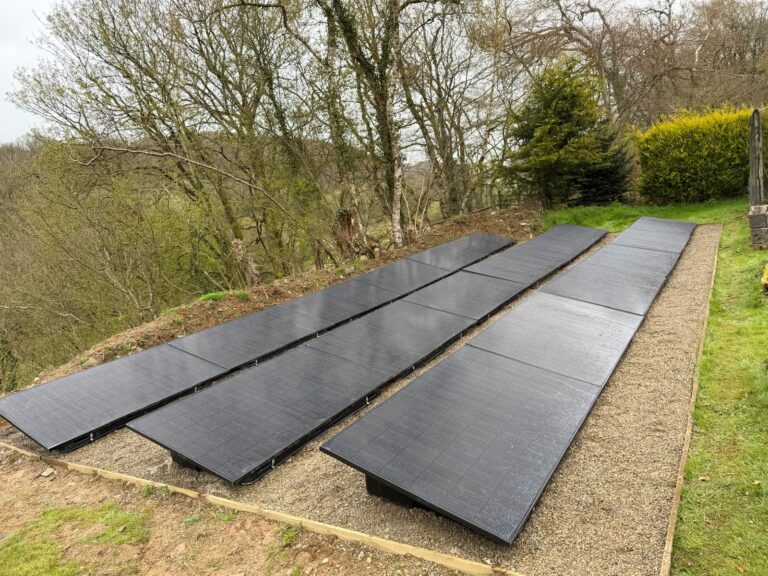
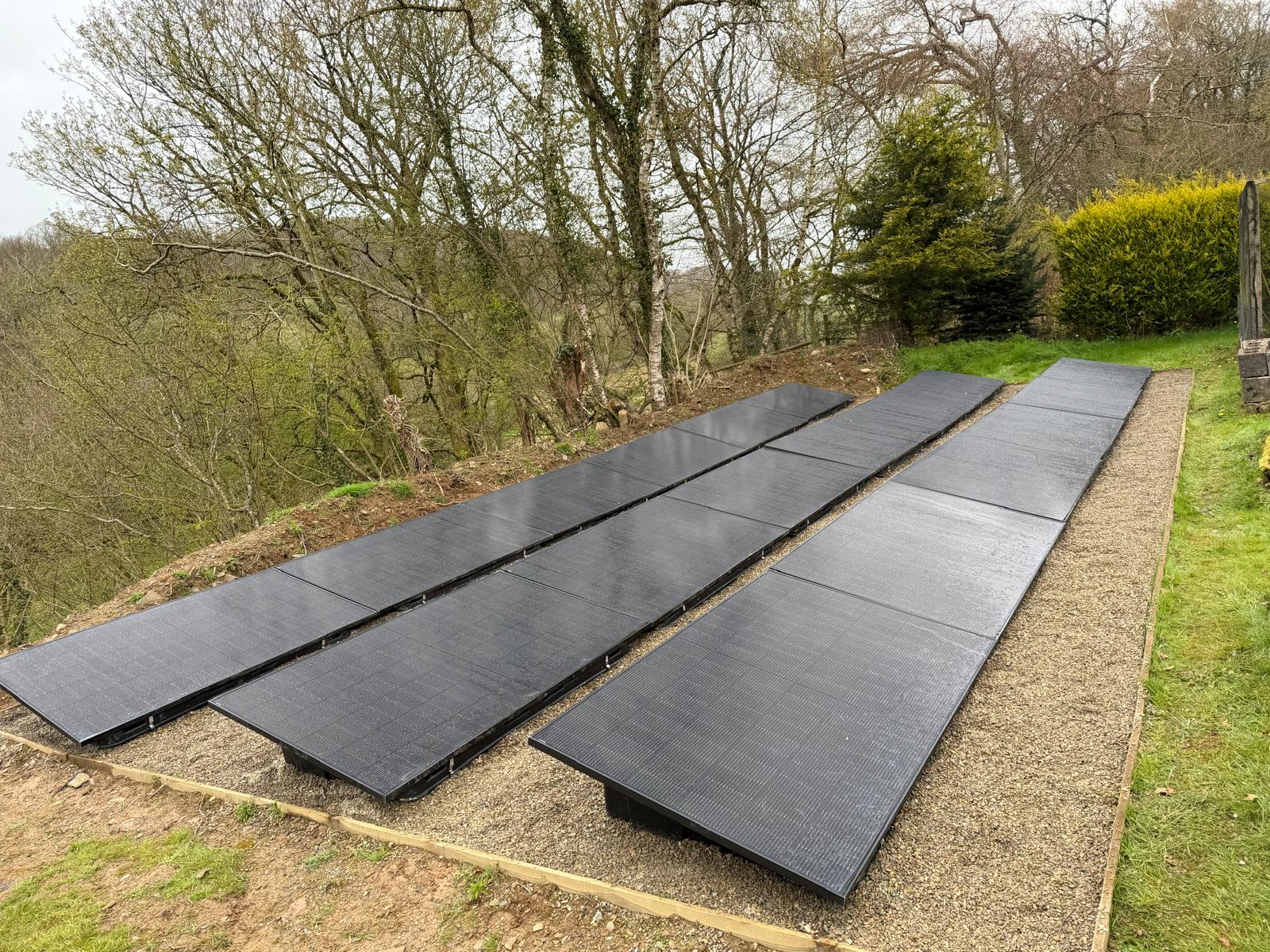
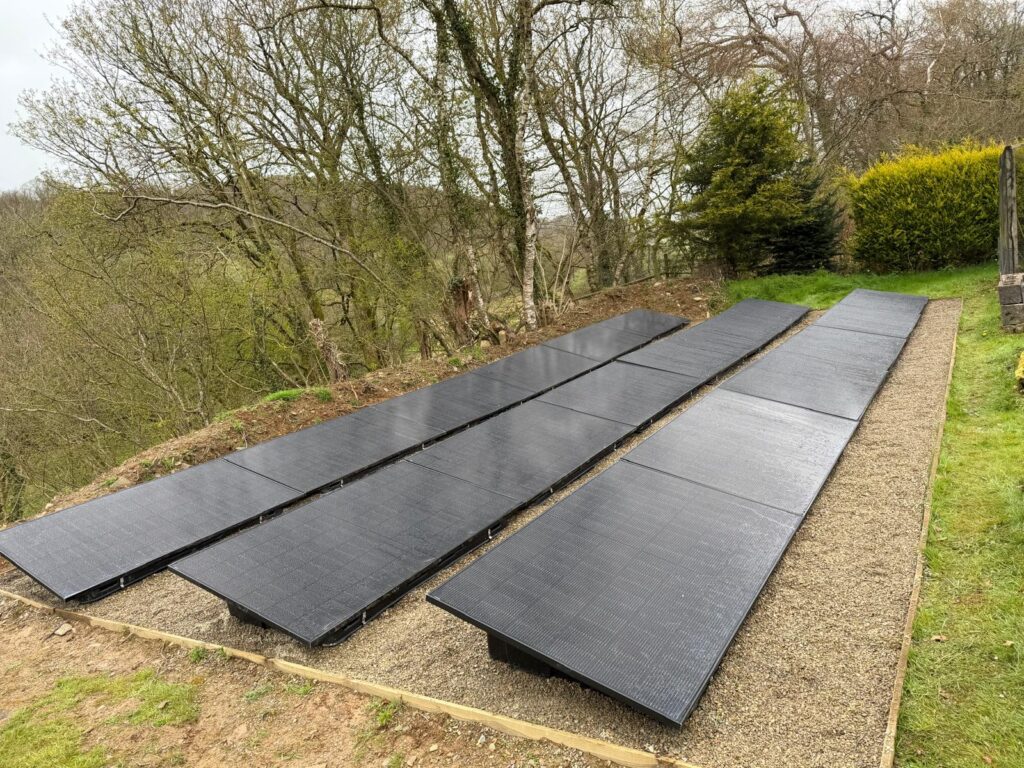
9kWp ground-mounted solar PV installation in Ceredigion Wales

Is SolarEdge Worth it? A Beautiful 9kWp Install in Ceredigion

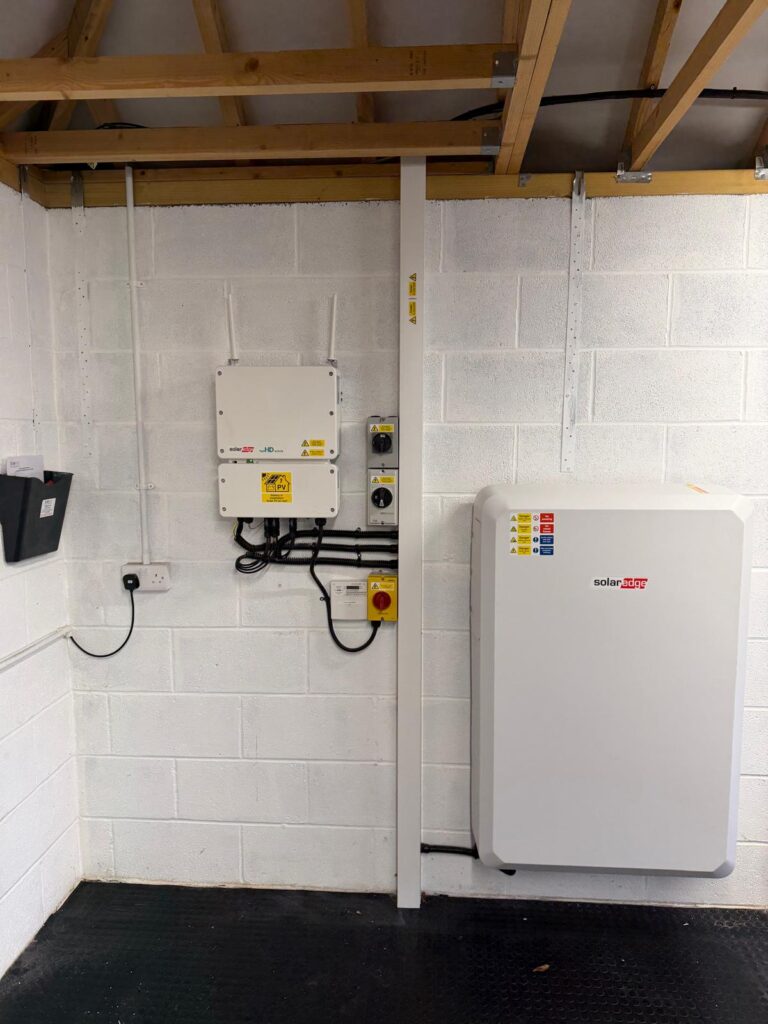
When people start exploring solar energy, they often focus on the panels. But in reality, one of the most important decisions is choosing the right inverter technology. Recently, we completed a 9kWp ground-mounted solar installation in Pont Llanio, Ceredigion, using a SolarEdge hybrid inverter and 10kWh of battery storage. The project gave us a great opportunity to answer a question we hear regularly: Is SolarEdge actually worth the extra investment? Rather than focusing on specifications alone, this article looks at a real installation and why SolarEdge was chosen for this particular property.

The Challenge

Like many rural properties across Wales, the homeowners wanted to reduce their reliance on grid electricity and make better use of renewable energy. The property had plenty of available land, making a ground-mounted system a practical alternative to a roof-mounted installation. This allowed us to position the panels at an optimal tilt and orientation — something that’s not always possible on rooftops in the UK, where roof pitch and direction can typically reduce solar output by 10–25% compared to an ideal south-facing array. The homeowners were also interested in battery storage, allowing them to use more of their solar energy in the evening and reduce electricity imports from the grid. More details about how this works can be found in our solar PV and battery storage guide.

The Solution

After assessing the property’s energy requirements, we designed and installed:
  • 9kWp ground-mounted solar PV system
  • 6kW SolarEdge hybrid inverter
  • 10kWh battery storage system
  • Advanced monitoring platform
The aim was simple: maximise energy generation, increase self-consumption, and create a system that can adapt to the household’s future energy needs.

Why We Chose SolarEdge for This Project

Not every installation requires SolarEdge. For straightforward systems with no shading and simple layouts, a traditional string inverter can perform very well. However, this project benefited from several key advantages that SolarEdge offers. The first is flexibility. Because SolarEdge uses power optimisers on each panel, every module operates independently. This gives us more freedom when designing the system and helps ensure each panel performs at its maximum potential. For homeowners, this means the system is better able to capture every available unit of solar energy.

When One Panel Doesn’t Drag Down the Whole System

One of the biggest differences between SolarEdge and a traditional string inverter is how individual panels are managed. In a standard system, panels are connected in strings. If one panel becomes shaded or underperforms, it can reduce the output of the entire string. SolarEdge uses power optimisers to allow each panel to operate independently. This means:
  • Reduced impact from partial shading
  • More consistent system performance
  • Greater visibility of individual panel output
  • Easier identification of performance issues
While no solar system can generate power from shade, SolarEdge helps reduce the energy losses that shading can cause. For Welsh homes, where weather conditions can change quickly throughout the day, this can make a noticeable difference over time.

Battery Storage Makes a Bigger Difference Than Most People Expect

One of the most common misconceptions about solar is that generating electricity automatically means lower bills. In reality, savings depend heavily on when you use that electricity. Most households use a significant amount of energy in the morning and evening, when solar production is lower. That’s why we paired this installation with 10kWh of battery storage. Instead of exporting surplus electricity during the day, the system stores excess energy for later use. This allows the homeowners to:
  • Use more of their own solar energy
  • Reduce electricity imports from the grid
  • Improve energy independence
  • Maximise the value of their system
For many households, battery storage can have a greater impact on savings than adding additional panels.

Monitoring and Peace of Mind

Another reason we often recommend SolarEdge is the level of visibility it provides. Using the SolarEdge monitoring platform, the system can be viewed in real time via smartphone or computer. Homeowners can see:
  • Real-time energy generation
  • Battery charging and discharging activity
  • Household energy consumption
  • Performance of individual panels
For anyone interested in understanding where their energy comes from and how it is being used, this level of detail is extremely valuable.

So, Is SolarEdge Worth It?

The honest answer is: it depends. SolarEdge is not always the cheapest option, and not every property requires panel-level optimisation. However, for homeowners who value:
  • Maximum system performance
  • Detailed monitoring
  • Battery integration
  • Design flexibility
  • Future expandability
it can be an excellent long-term investment. In the case of this 9kWp installation in Ceredigion, SolarEdge provided the flexibility, monitoring capabilities, and battery integration that made it the right fit for the project.

Key Takeaway

The most important lesson from this installation is not that SolarEdge is right for everyone. It’s that the best solar system is the one designed around your property, your energy usage, and your future plans. For this homeowner in Pont Llanio, a ground-mounted solar array combined with SolarEdge technology and battery storage created a highly efficient renewable energy system designed to deliver benefits for many years to come. If you’re considering solar panels, battery storage, or a complete home energy upgrade, taking the time to design the right system from the start can make all the difference.
9kWp ground-mounted solar PV installation in Ceredigion Wales
SolarEdge hybrid inverter with 10kWh battery storage installation in Wales
Read More
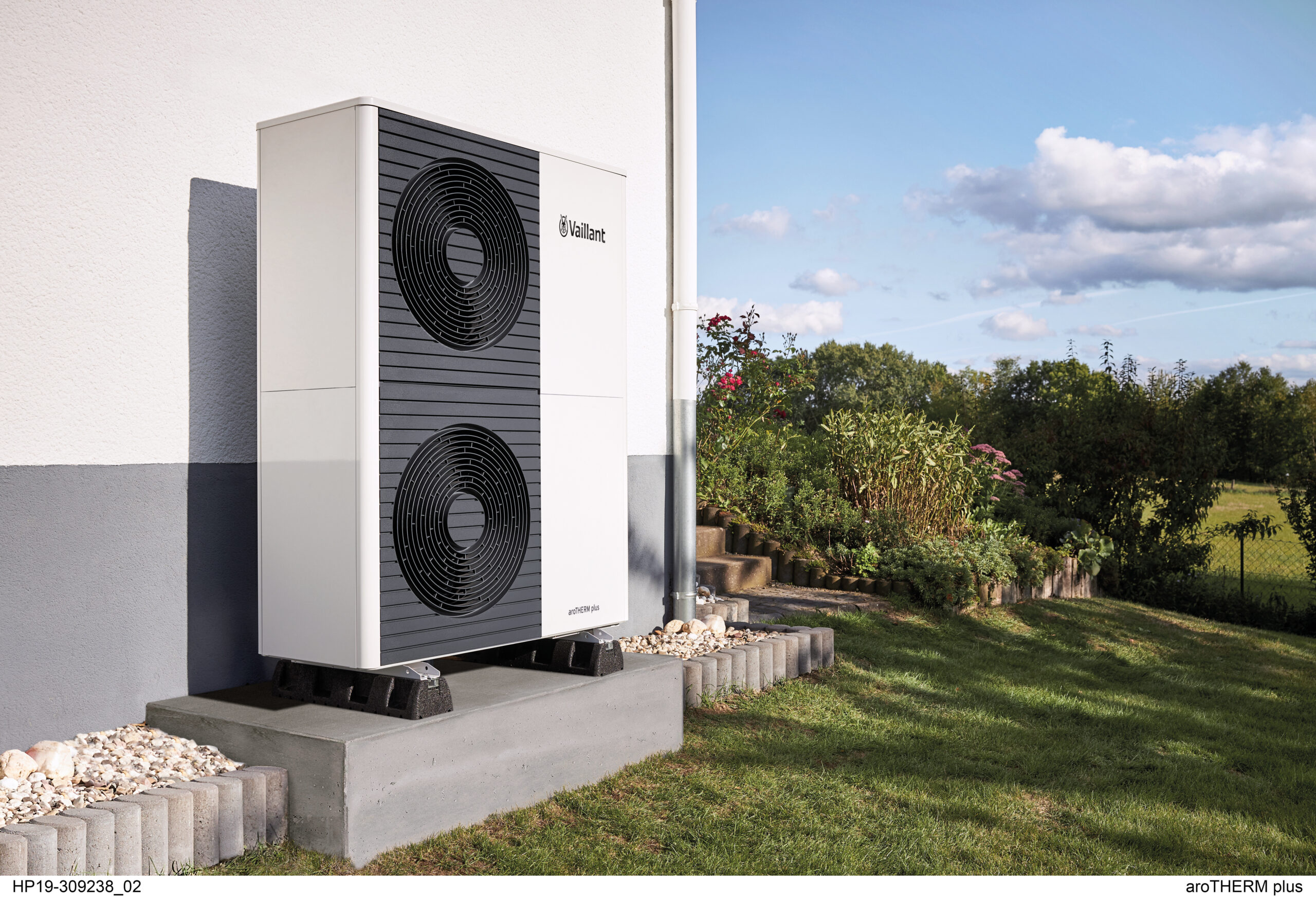
Air-source heat pump outdoor unit installed in a yard in Wales

The New £9,000 Heat Pump Grant: Is Your Home Ready?

Heating your home has never felt more uncertain than it does today. Many households across Wales are still relying on older oil, LPG, or gas boilers that are becoming more expensive to run and less reliable each year.

Breakdowns, rising fuel prices, and unpredictable winter bills are leading more homeowners to look for long-term alternatives.

One of the biggest opportunities right now is the updated Boiler Upgrade Scheme (BUS) — which now offers grants of up to £9,000 towards the cost of installing a heat pump.

But what has actually changed, and is your home eligible?

What Is the £9,000 Heat Pump Grant?

The UK Government’s Boiler Upgrade Scheme has been updated for 2026 to better support households switching away from fossil fuel heating.

There are now two grant levels:

  • £9,000 grant – for homes currently using oil or LPG heating (typically off the gas grid)
  • £7,500 grant – for homes currently using mains gas or electricity

The higher grant is specifically aimed at rural and off-grid homes, which often face the highest heating costs.

This support is designed to reduce the upfront cost of installing a low-carbon heating system such as an air source heat pump.

Why Heat Pumps Are Becoming More Popular

Heat pumps work differently from traditional boilers. Instead of burning fuel, they extract heat from the air outside and use it to warm your home.

For many homeowners in Wales, this offers three key benefits:

  • Lower reliance on oil and LPG prices
  • More stable long-term running costs
  • A low-carbon heating solution for the future

When installed correctly and paired with a well-insulated home, heat pumps can provide efficient, consistent heating throughout the year.

They also work particularly well when combined with solar panels and battery storage, allowing you to offset some of your energy use with self-generated electricity.

What’s Changed in 2026?

The updated scheme has made switching to heat pumps more accessible than before:

1. Higher grant support

Up to £9,000 is now available for qualifying homes.

2. No EPC improvement requirement upfront

You no longer need to complete insulation upgrades before applying, which removes a common barrier for homeowners.

3. VAT relief still applies

Energy-saving installations remain eligible for 0% VAT, helping reduce overall installation costs.

4. No income restrictions

Eligibility is based on the property, not household income.

These changes make the transition to renewable heating more straightforward for many households across Wales.

Who Is Eligible?

Eligibility depends mainly on your current heating system and property type.

You may qualify if:

  • Your home is in England or Wales
  • You own the property (including landlords in some cases)
  • You are replacing an existing fossil fuel system such as oil, LPG, gas, or electric heating
  • The property has a valid Energy Performance Certificate (EPC issued within the last 10 years)

The exact grant level depends on whether your home is on or off the gas grid.

If you’re unsure, a professional assessment is usually the quickest way to confirm eligibility.

How the Grant Process Works

One of the biggest advantages of the scheme is that homeowners don’t need to manage the application themselves.

The process is typically:

1. Home survey

A qualified installer assesses your property to determine suitability for a heat pump system.

2. Eligibility confirmation

Your installer checks your grant eligibility and confirms the level of funding available.

3. Installation and grant application

Once you proceed, your installer applies for the grant on your behalf. The grant is paid directly to the installer and deducted from your total installation cost.

This removes paperwork and ensures the process is handled correctly.

Helpful Resources for Homeowners

If you’d like to do your own research, we recommend these official sources:
 

Will a Heat Pump Reduce My Energy Bills?

Running costs depend on several factors, including insulation levels, property size, and energy usage habits.

In well-prepared homes, heat pumps can offer predictable and efficient heating compared to oil or LPG systems, where prices fluctuate significantly.

However, the biggest benefit for most homeowners is not just cost savings — but long-term price stability and energy independence.

When combined with solar PV, some households can further reduce their reliance on the grid by using self-generated electricity to power their heating system.

Real Example: A Combined System in Wales

We recently completed a project in Wales where a homeowner upgraded from an oil boiler to a heat pump system alongside solar PV and battery storage.


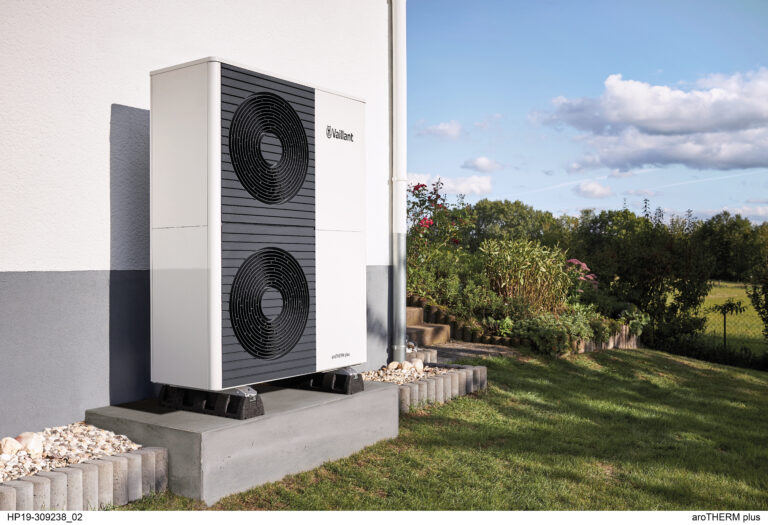
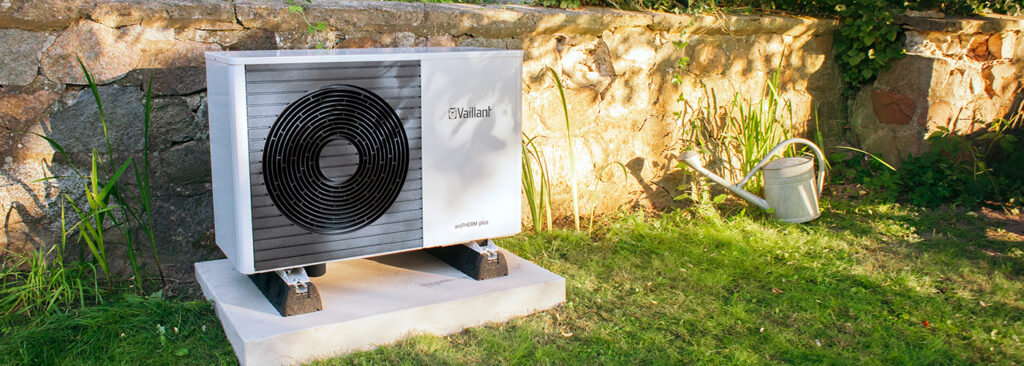
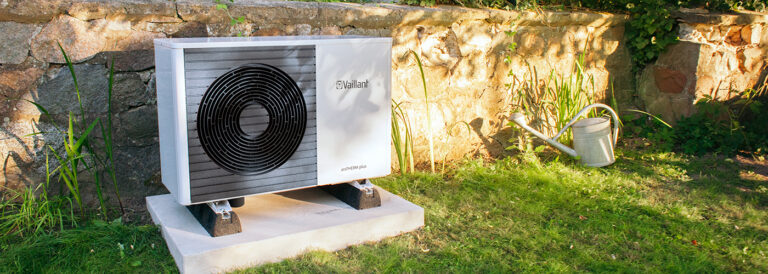
Domestic air-source heat pump installed on a Welsh home exterior Vaillant

Claim Your Heat Pump Grant

Read More
Residential solar panels installation Carmarthen

What You Need to Know About Residential Solar Panels 2026

Thinking about adding solar panels to your home in Wales? 2026 is an exciting time for residential solar. With smarter technology, supportive government initiatives, and more ways to save energy and money, solar has never been more accessible.

UK Solar & Renewables Market Growth: 2025 Recap

Before we dive into 2026, let’s take a look back. In 2025, the UK saw a record year for certified renewable installations in homes and small businesses, with 369,000 systems installed.

This record-breaking growth was driven by three key technologies:

  • Solar panels: Over 267,000 rooftop systems, surpassing the previous 2011 record by 31%.
  • Heat pumps: More than 60,000 installations, the highest annual total ever recorded.
  • Battery storage: Over 40,000 certified systems, almost doubling the previous record.

Put simply, that equates to one installation every 90 seconds across the UK, according to the Microgeneration Certification Scheme (MCS). This represents a 34% increase compared to 2024 and brings the total number of certified installations since 2009 to 2.4 million, with more than a quarter completed in just the last two years.

The energy potential of these new systems is significant. Installations delivered in 2025 alone are capable of generating around 1.8 billion kWh annually — enough to power the entire London Underground network for a full year. Total installed renewable capacity since 2009 now exceeds 10GW. (https://mcscertified.com/uk-homes-installing-a-small-scale-renewable-every-90-seconds/)

This growth shows that homeowners and small businesses are increasingly choosing solar panels, battery storage, and heat pumps not only for cost savings, but for energy independence and long-term sustainability.

Top Performing Areas in Wales (2025)

Wales has been a strong contributor to this growth. Areas with the highest number of new solar PV installations in 2025 included:

  1. Powys – 1,466 installations
  2. Carmarthenshire – 1,373 installations
  3. Gwynedd – 1,118 installations
  4. Pembrokeshire – 1,076 installations
  5. Isle of Anglesey – 979 installations

What Is Changing in the Solar Market in 2026?

As we move through 2026, the UK solar market continues to evolve. Technology is more efficient than ever, and demand remains strong as households prioritise energy stability.

While market conditions can fluctuate, the long-term case for solar remains compelling. The current zero-rated VAT on residential solar installations (available until 2027) helps reduce upfront costs, and ongoing energy price adjustments continue to make self-generation an attractive option for homeowners.

For many households in Wales, solar is no longer simply an environmental choice — it is becoming a practical step toward financial resilience and energy control.

What Affects Solar Installation in Wales?

Every home is unique, so the ideal solar system depends on several important factors:

  • Roof size and orientation: South-facing roofs typically generate the most electricity, though east and west-facing systems also perform well.
  • System size and additional technology: Adding battery storage, EV charging, or smart energy controls can increase overall savings.
  • Installer quality: Certified installers ensure safe installation and regulatory compliance.
  • Government support schemes: Incentives and export payments can improve overall returns.

A professional site assessment ensures the system is designed specifically around your home’s energy usage and roof layout.

Government Incentives in 2026

The UK continues to support homeowners investing in renewable energy. Key schemes include:

  • Warm Homes Plan: Low- or zero-interest loans and additional support for eligible households.
  • Zero-Rated VAT: Reduced VAT on residential solar installations until 2027.
  • Smart Export Guarantee (SEG): Payments for surplus electricity exported back to the grid.
  • Energy Efficiency Grants: Additional support for qualifying homes improving overall energy performance.

How the Smart Export Guarantee (SEG) Works

If your solar panels generate more electricity than your household uses, the excess can be exported to the grid.

Under the Smart Export Guarantee, energy suppliers are required to pay homeowners for exported electricity. Suppliers set their own rates, which creates competition in the market. Some tariffs offer higher returns when combined with battery storage or specific supply agreements.

Steps to Start Earning Through SEG

  1. Certification: Your solar system must be installed by an MCS-certified installer to qualify.
  2. Smart Meter: A compatible smart meter is required to record export readings.
  3. Export Registration: Your energy supplier will arrange an Export MPAN once your tariff is confirmed.

Households with battery storage may benefit from time-of-use tariffs that allow stored electricity to be exported during peak evening periods.

Planning and Regulations in Wales

In most cases, rooftop solar panels in Wales fall under permitted development rights and do not require planning permission, provided installation guidelines are followed.

Flat roofs often offer additional flexibility, and new-build properties increasingly integrate solar as standard.

Professional Guidance Matters

Working with a certified installer ensures all paperwork, grid applications, and compliance requirements are handled correctly, giving homeowners peace of mind.

How to Choose the Right Solar Installer

Selecting the right installer is essential to long-term system performance. When comparing providers, consider:

  • Accreditation and certification status
  • Warranty coverage and aftercare services
  • Clear system design tailored to your energy needs
  • Guidance on eligibility for government schemes

A well-designed and properly installed solar system can deliver reliable performance for decades, helping households across Wales reduce bills and move toward cleaner energy.

Other Pages You Might Be Interested In

EV Charging

EV Charging Solutions: Smart, Sustainable and Future-Ready Go All-Electric with an EV Charger at Your Home or Workplace Change is happening fast! Electric vehicle (EV) sales in the UK are growing...

Heat Pumps

Heat Pumps for Homes in Wales Let’s face it — that old boiler has had its day. The stress of breakdowns, unpredictable bills, and rising energy costs can be exhausting. What if your heating could...

Solar & Batteries

Solar PV & Battery Storage Trusted Local Solar Installers in Llandeilo, Wales Our team of fully qualified renewable energy engineers has over 25 years’ experience in heating and electrical...
Read More
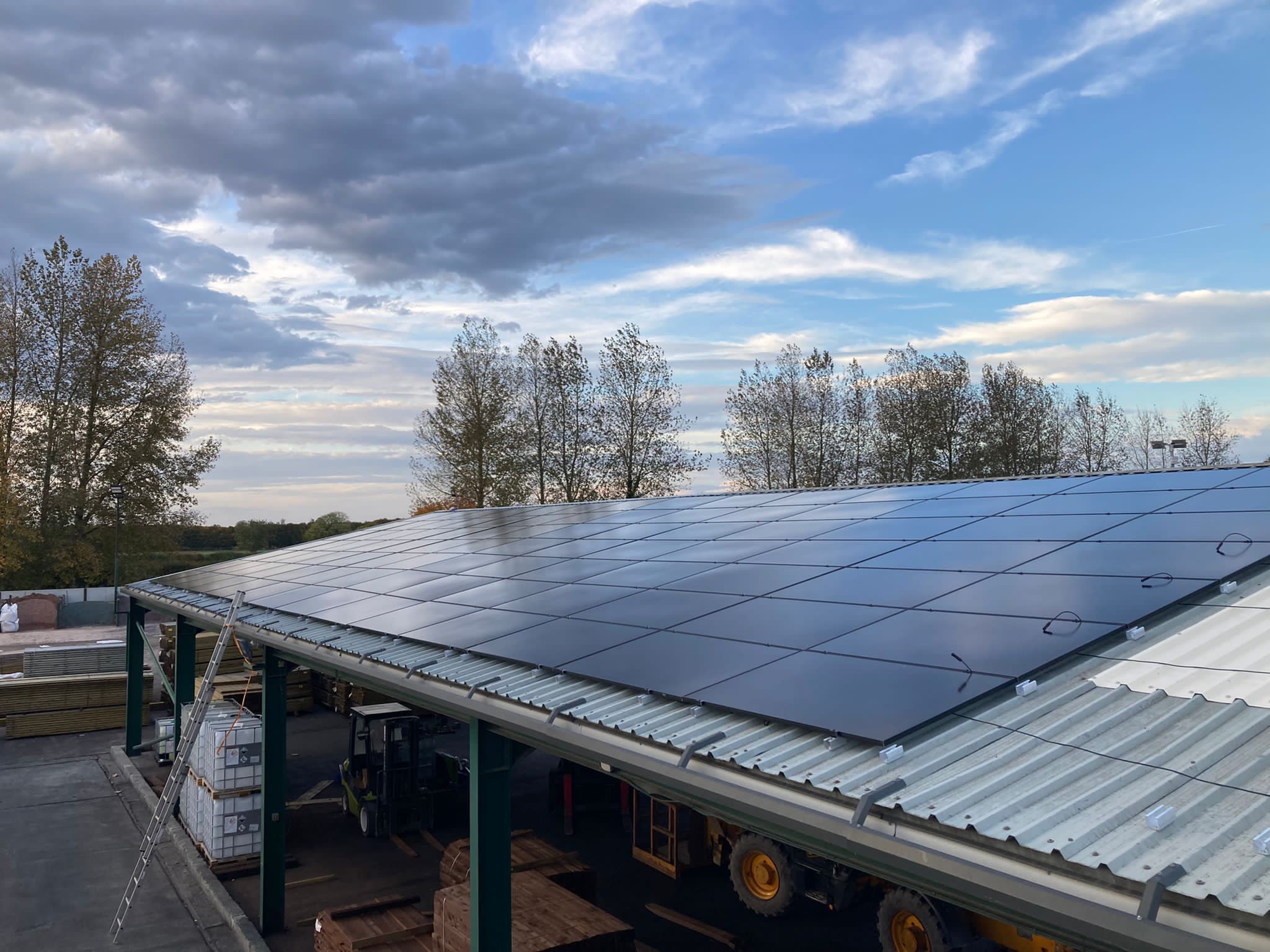
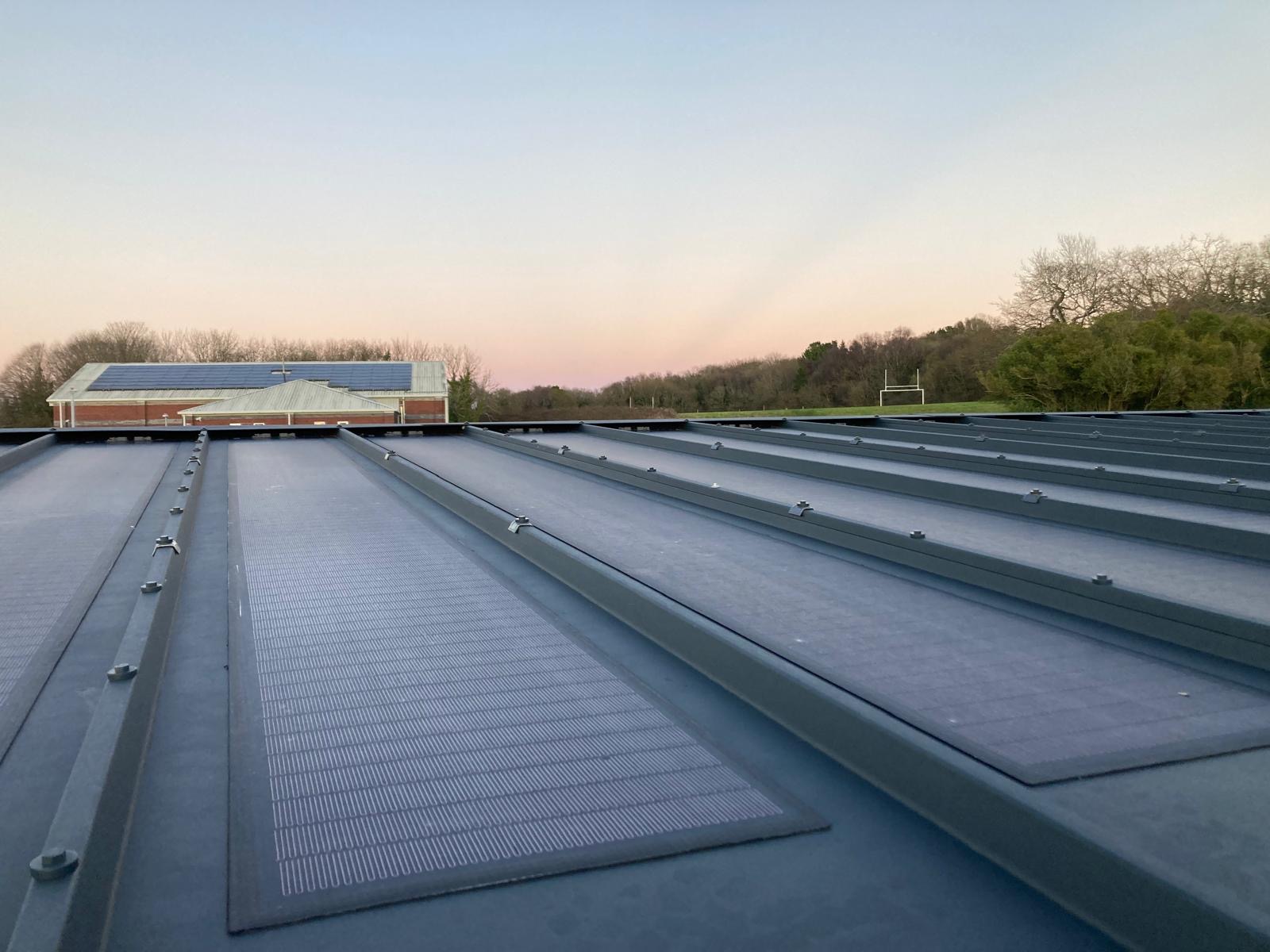
Peel-and-stick flexible Solar PV installed on commercial roof in Trimsaran Wales

Peel-and-Stick Flexible Solar Panels: A Breakthrough for Wales

Peel-and-Stick Flexible Solar PV: A Breakthrough for Wales

Some commercial roofs simply aren’t built for traditional Solar PV. They may have strict weight limits, a delicate membrane, or planning requirements that make standard framed panels too heavy or too intrusive.

That’s exactly what we found in Trimsaran, Carmarthenshire. The client wanted renewable energy, but the roof couldn’t take the load of a conventional installation. Instead of turning the project down, our engineering team explored alternatives — and found the perfect match in a Welsh-made peel-and-stick flexible Solar PV system.

It allowed us to deliver clean energy with no drilling, no added weight, and no compromise on the building’s appearance.

Why Traditional Solar Panels Weren’t an Option

During our initial survey, two challenges became immediately clear:

1. Strict Weight Restrictions

The roof structure could not safely support heavy framed panels or rail systems.

2. A Sensitive, Non-Drillable Roof

The roof membrane needed to remain completely intact, meaning no fixings, no penetrations, and a visually low-profile installation.

These are the kinds of projects where our engineering team thrives — turning “not possible” into “perfectly achievable.”

Our Solution: Peel-and-Stick Flexible Solar PV

To meet the structural and aesthetic requirements, we installed a lightweight, peel-and-stick Solar PV system manufactured in Wales. This technology bonds directly to the roof surface, creating a sleek and durable solar solution without the need for rails, ballast, or drilling.

It’s a smart alternative for buildings that simply cannot host traditional Solar PV — and it’s designed for the UK’s weather conditions.

Benefits of Peel-and-Stick Solar PV

  • Extremely lightweight — ideal for roofs with limited load capacity
  • No roof penetrations — protects delicate membranes
  • Low-profile appearance — blends into the roofline
  • Flexible format — suitable for curved or uneven surfaces
  • Strong low-light performance — perfect for Welsh weather
  • Designed and manufactured in Wales

Why This System Was Ideal for Trimsaran

The building required a solution that was:

  • Lightweight
  • Completely non-invasive
  • Visually discreet
  • Reliable in low and diffuse light

Peel-and-stick Solar PV met every requirement — giving the client an elegant, efficient solar installation without affecting the building structure.

Project Spotlight: Commercial Solar PV Installation in Trimsaran

The Challenge

  • Roof unable to support conventional panels
  • No drilling or mechanical fixings allowed
  • A requirement for clean, subtle aesthetics

Our Engineering Approach

  • Full structural and Solar PV design carried out in-house
  • Installation of peel-and-stick flexible Solar PV technology
  • Custom electrical design built by our engineering team

The Result

  • A seamless, almost invisible solar installation
  • No added structural load
  • Strong year-round energy generation
  • The roof fully protected and undisturbed

For the client, this meant renewable energy with total peace of mind. For us, it was another example of solving a challenge that standard Solar PV couldn’t meet.

Are Peel-and-Stick Solar Panels Good for Commercial Buildings?

Yes — when used in the right circumstances. Peel-and-stick Solar PV is particularly effective for:

  • Roofs with weight restrictions
  • Standing-seam or metal roofs
  • Curved or irregular roof structures
  • Heritage or design-sensitive properties
  • Sites where drilling into the roof is not permitted

They’re not a replacement for traditional Solar PV in every scenario, but they excel when a lightweight, non-invasive solution is required.

Flexible Solar PV vs Traditional Solar Panels

Feature Peel-and-Stick Flexible Solar PV Traditional Rigid Solar Panels
Weight Very lightweight Heavy
Roof Penetration None Requires drilling or ballast
Appearance Low-profile and discreet Raised and visible
Curved Surfaces Excellent Poor
Suitability for Weak Roofs Highly suitable Often unsuitable
Low-Light Performance Very strong Good
Installation Speed Fast Moderate

Our Engineering Team

Every installation is carried out by our in-house MCS-certified engineering team. We never outsource, because projects like this require specialist knowledge, careful planning, and precision.

We specialise in:

  • Commercial and agricultural Solar PV systems
  • Complex, non-standard, or sensitive roof structures
  • Lightweight BIPV and flexible solar technologies
  • Projects where aesthetics or planning considerations are key

If a roof is considered “too difficult” by others, we’re usually the team who can make it work.

Frequently Asked Questions

Are peel-and-stick solar panels durable?

Yes — they’re designed for long-term outdoor conditions and include a durable protective surface.

Do they perform well in cloudy weather?

Absolutely. This type of Solar PV responds well to diffuse light, making it ideal for Wales.

Will they damage the roof?

No. They require no fixings and keep the roof membrane intact.

Are they suitable for commercial buildings?

Yes — especially where traditional systems are too heavy or intrusive.

Key Takeaway

Peel-and-stick flexible Solar PV is a game-changing option for commercial buildings that cannot support traditional solar panels. Paired with the expertise of the Solar Save Renewables engineering team, it opens the door for renewable energy on buildings once considered unsuitable.

Thinking About Solar for a Commercial Roof in Wales?

If your building has:

  • a weight-limited roof
  • a delicate or curved structure
  • aesthetic or planning constraints
  • concerns about drilling or fixings

…we can help you find the right solution.

Contact Solar Save Renewables — specialists in complex, lightweight, and design-sensitive Solar PV installations across Wales.

You Might Also Like

What documents should you actually receive after a solar installation?

Installing solar panels? Don’t overlook the paperwork – here’s everything you should receive You have watched the scaffolding go up, heard the drills, seen the panels lifted into place — and now...

What Happens During a Power Cut & How Backup Power Works

Backup power from solar battery systems is not always guaranteed during a power cut. Many homeowners assume that solar panels and battery storage automatically provide backup power, but this...

How to Get Paid for Electricity You Export (2026)

If you are looking into solar panels in Wales, especially in areas like Carmarthenshire and West Wales, you will quickly come across two terms that affect how you get paid for the electricity you...
Read More
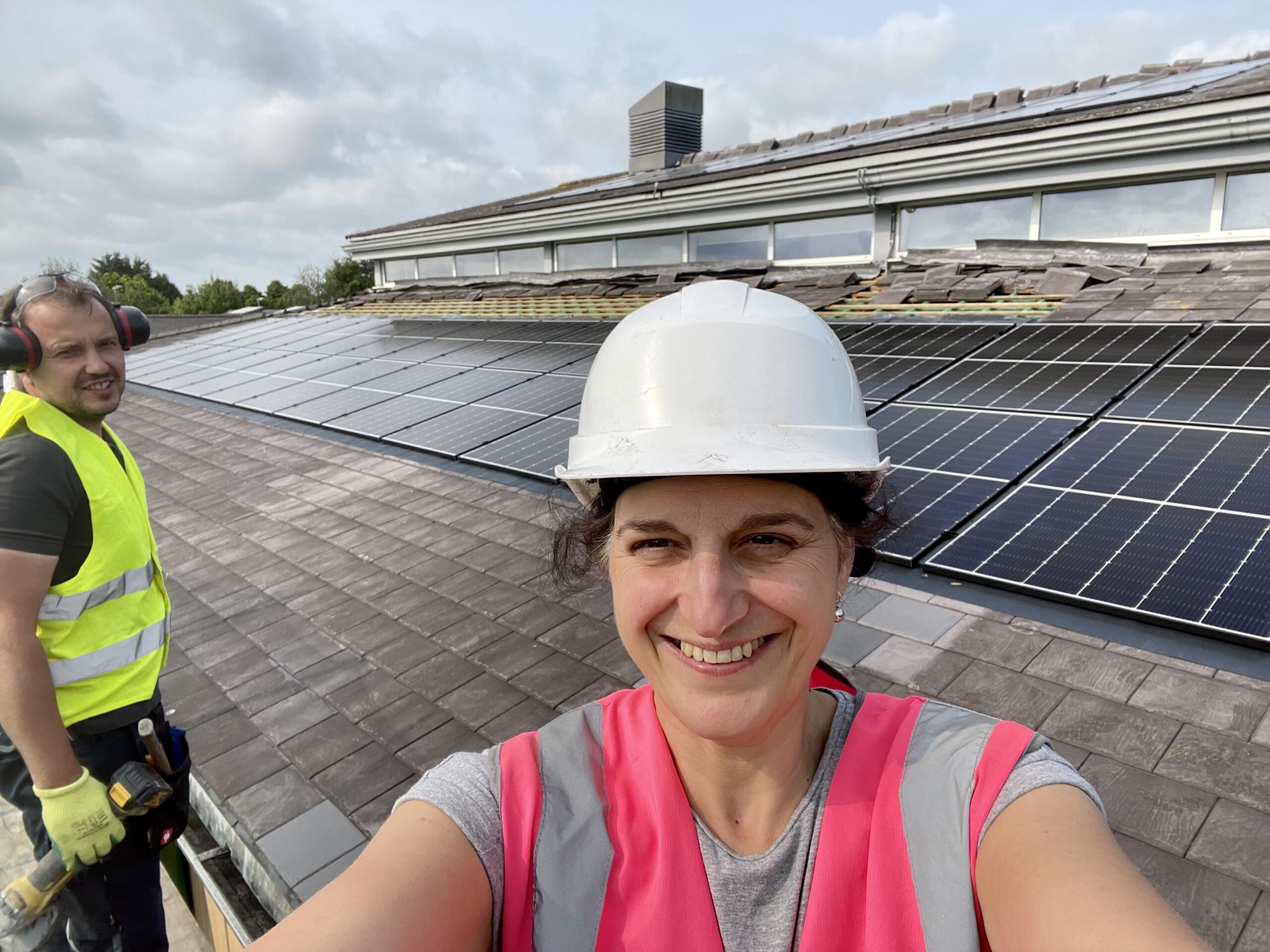
Solar panels being installed on a roof – by MCS-accredited installers in Carmarthenshire, Wales

The Ultimate Solar Panel Installation: Everything You Need to Know

The Solar Panel Installation Process: What to Expect

Switching to solar energy isn’t just about cutting your energy bills—it’s about taking control of your energy, reducing your carbon footprint, and enjoying the satisfaction of generating clean, renewable electricity at home or for your business here in Wales. At Solar Save Renewables, based locally in South Wales, we make the process straightforward, personal, and hassle-free. Here’s what you can expect when you decide to go solar with us.

Step 1: Consultation & Property Assessment

We start with a friendly, no-obligation consultation. Our team visits your home or business to understand your energy needs and assess its solar potential, taking into account local weather, roof orientation, shading, and current energy usage. This ensures your system is designed to maximise efficiency and savings, even on cloudy Welsh days.

Step 2: Custom System Design, Incentives & DNO Application

Every property is unique, so every solar system we design is bespoke. We determine the right number of panels, storage solutions, and inverter size for your property. We also guide you through government incentives, such as the Smart Export Guarantee (SEG), helping you get the most value from your investment.

As part of this step, we handle the DNO (Distribution Network Operator) application, ensuring your system is fully compliant for grid connection—a process we manage for you, so you don’t have to worry about paperwork.

Step 3: Professional Installation

Our MCS-accredited installers take care of everything, from mounting panels to connecting your system. Installations are usually completed in just a few days, with minimal disruption. Safety, precision, and long-lasting performance are always our priorities, and we work carefully with typical Welsh slate roofs and property styles.

Step 4: Testing, Handover & Ongoing Support

Once installed, we thoroughly test your system to ensure it is performing perfectly. We then show you how to monitor your energy generation and storage, so you can see your savings in real time. Even after installation, our team is here to provide ongoing support, advice, and maintenance whenever you need it.

Optional Battery Storage: Maximise Your Solar Investment

Many of our customers choose to add battery storage to their solar system. This allows them to use their solar energy day and night, charge electric vehicles, and maintain power during outages. Battery storage increases energy independence, protects against rising electricity prices, and can even provide future opportunities for smart energy tariffs.

“Adding battery storage was the best decision we made. During the October storm power cuts, our lights stayed on while neighbors were in the dark. The system paid for itself that week alone.”

— Mr. Davies, Carmarthen (7.04 kWp system with 11.5kWh storage)

Benefits of Battery Storage

  • Reduce grid dependence by up to 80%
  • Use solar energy around the clock, day and night
  • Seamless backup power during outages
  • Power your electric vehicle directly from solar energy
  • Potential savings with off-peak energy tariffs

Battery Installation Process

  1. Needs Assessment: We evaluate your energy patterns and backup requirements.
  2. Grid Application: We handle all DNO paperwork (usually 6–8 weeks).
  3. Professional Installation: MCS-certified technicians complete the setup.
  4. Smart Integration: Connect to your solar system and smart home devices.

Why Choose Solar Save Renewables?

  • Trusted, local installers serving South Wales
  • Bespoke systems designed for Welsh homes and businesses
  • Guidance on SEG and government incentives
  • DNO application included for grid connection
  • Friendly, personal service from start to finish
  • Optional battery storage for greater energy independence and backup power

Installing solar panels—and optionally adding battery storage—is a big step, but with the right local team, it’s simple, personalised, and rewarding. 

Contact us today to start your journey towards clean, renewable energy in Wales.

You Might Also Like

What documents should you actually receive after a solar installation?

Installing solar panels? Don’t overlook the paperwork – here’s everything you should receive You have watched the scaffolding go up, heard the drills, seen the panels lifted into place — and now your...

What Happens During a Power Cut & How Backup Power Works

Backup power from solar battery systems is not always guaranteed during a power cut. Many homeowners assume that solar panels and battery storage automatically provide backup power, but this depends...

How to Get Paid for Electricity You Export (2026)

If you are looking into solar panels in Wales, especially in areas like Carmarthenshire and West Wales, you will quickly come across two terms that affect how you get paid for the electricity you...
Read More