

The New £9,000 Heat Pump Grant: Is Your Home Ready?
Heating your home has never felt more uncertain than it does today. Many households across Wales are still relying on older oil, LPG, or gas boilers that are becoming more expensive to run and less reliable each year.
Breakdowns, rising fuel prices, and unpredictable winter bills are leading more homeowners to look for long-term alternatives.
One of the biggest opportunities right now is the updated Boiler Upgrade Scheme (BUS) — which now offers grants of up to £9,000 towards the cost of installing a heat pump.
But what has actually changed, and is your home eligible?
What Is the £9,000 Heat Pump Grant?
The UK Government’s Boiler Upgrade Scheme has been updated for 2026 to better support households switching away from fossil fuel heating.
There are now two grant levels:
- £9,000 grant – for homes currently using oil or LPG heating (typically off the gas grid)
- £7,500 grant – for homes currently using mains gas or electricity
The higher grant is specifically aimed at rural and off-grid homes, which often face the highest heating costs.
This support is designed to reduce the upfront cost of installing a low-carbon heating system such as an air source heat pump.
Why Heat Pumps Are Becoming More Popular
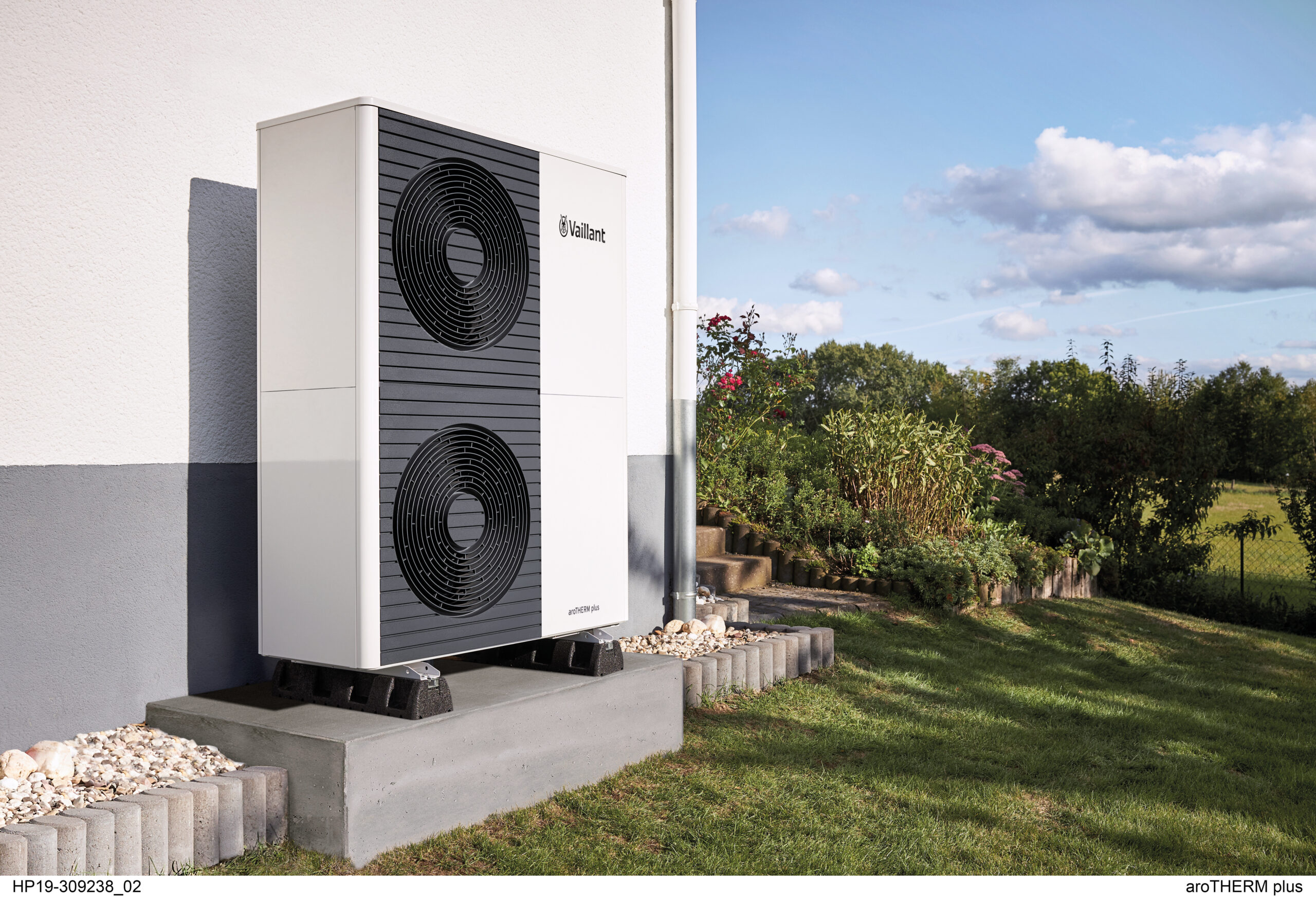
Heat pumps work differently from traditional boilers. Instead of burning fuel, they extract heat from the air outside and use it to warm your home.
For many homeowners in Wales, this offers three key benefits:
- Lower reliance on oil and LPG prices
- More stable long-term running costs
- A low-carbon heating solution for the future
When installed correctly and paired with a well-insulated home, heat pumps can provide efficient, consistent heating throughout the year.
They also work particularly well when combined with solar panels and battery storage, allowing you to offset some of your energy use with self-generated electricity.
What’s Changed in 2026?
The updated scheme has made switching to heat pumps more accessible than before:
1. Higher grant support
Up to £9,000 is now available for qualifying homes.
2. No EPC improvement requirement upfront
You no longer need to complete insulation upgrades before applying, which removes a common barrier for homeowners.
3. VAT relief still applies
Energy-saving installations remain eligible for 0% VAT, helping reduce overall installation costs.
4. No income restrictions
Eligibility is based on the property, not household income.
These changes make the transition to renewable heating more straightforward for many households across Wales.
Who Is Eligible?
Eligibility depends mainly on your current heating system and property type.
You may qualify if:
- Your home is in England or Wales
- You own the property (including landlords in some cases)
- You are replacing an existing fossil fuel system such as oil, LPG, gas, or electric heating
- The property has a valid Energy Performance Certificate (EPC issued within the last 10 years)
The exact grant level depends on whether your home is on or off the gas grid.
If you’re unsure, a professional assessment is usually the quickest way to confirm eligibility.
How the Grant Process Works
One of the biggest advantages of the scheme is that homeowners don’t need to manage the application themselves.
The process is typically:
1. Home survey
A qualified installer assesses your property to determine suitability for a heat pump system.
2. Eligibility confirmation
Your installer checks your grant eligibility and confirms the level of funding available.
3. Installation and grant application
Once you proceed, your installer applies for the grant on your behalf. The grant is paid directly to the installer and deducted from your total installation cost.
This removes paperwork and ensures the process is handled correctly.
Helpful Resources for Homeowners
- Check the Official Government Criteria (GOV.UK) – The primary source for eligibility rules.
- Ofgem Property Owner Guidance – A deep dive into how the scheme is regulated.
- Find Your Home’s EPC Rating – Check your current Energy Performance Certificate to see your home’s efficiency.
- MCS Certified Installer Search – Verify our certification (or any installer’s) for your peace of mind.
Will a Heat Pump Reduce My Energy Bills?
Running costs depend on several factors, including insulation levels, property size, and energy usage habits.
In well-prepared homes, heat pumps can offer predictable and efficient heating compared to oil or LPG systems, where prices fluctuate significantly.
However, the biggest benefit for most homeowners is not just cost savings — but long-term price stability and energy independence.
When combined with solar PV, some households can further reduce their reliance on the grid by using self-generated electricity to power their heating system.
Real Example: A Combined System in Wales
We recently completed a project in Wales where a homeowner upgraded from an oil boiler to a heat pump system alongside solar PV and battery storage.

Claim Your Heat Pump Grant
- £9,000 for Oil/LPG homes
- £7,500 for Gas/Electric homes
- We handle all BUS paperwork