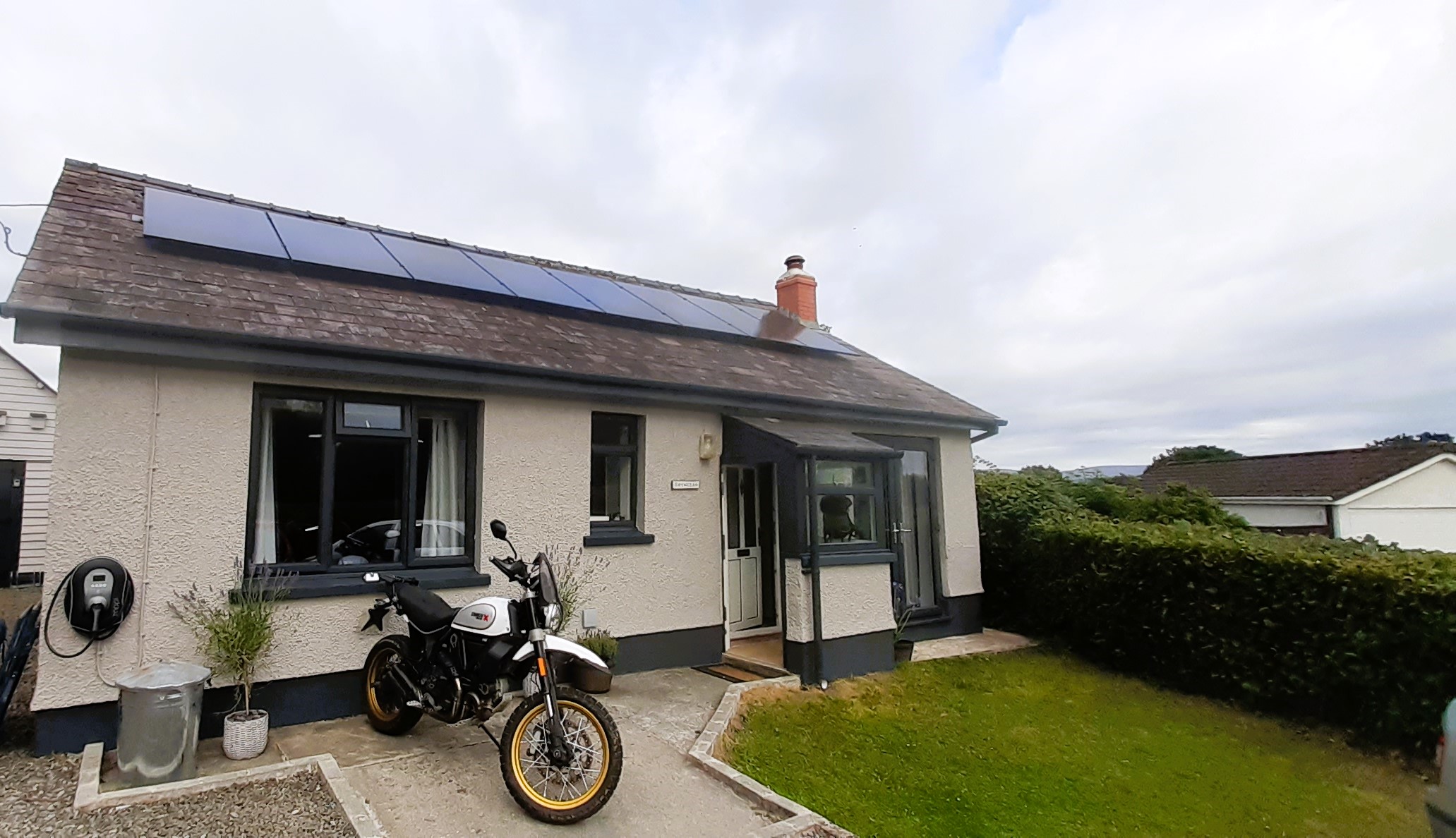
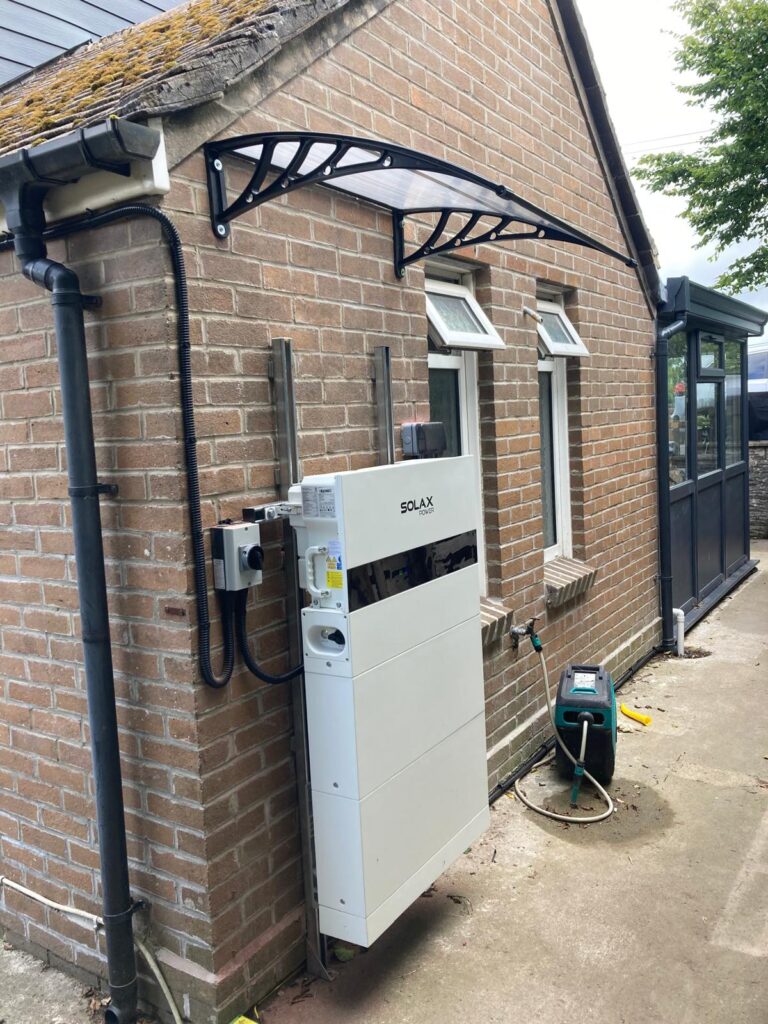
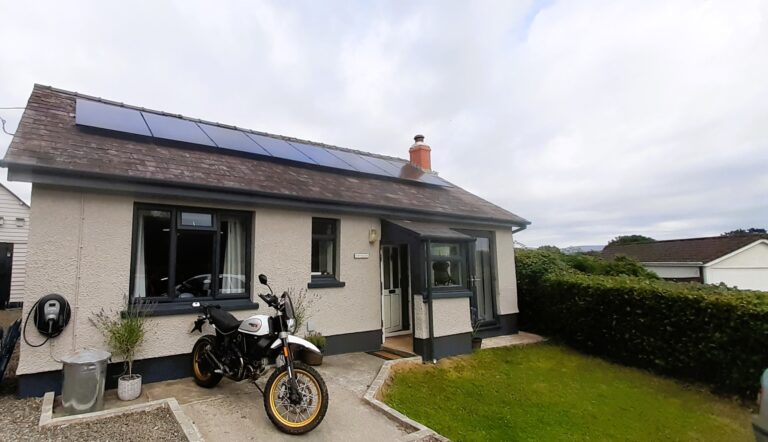
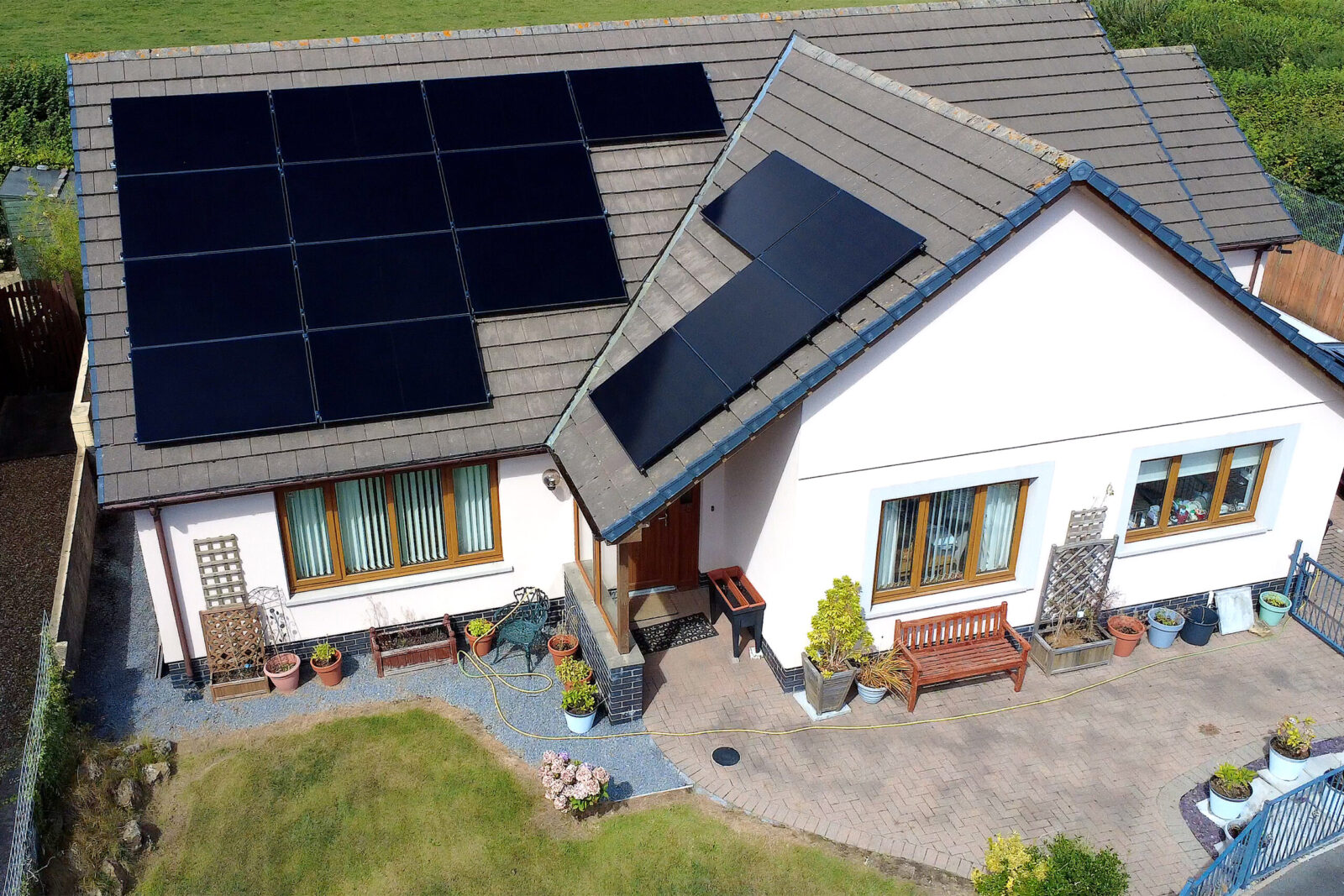
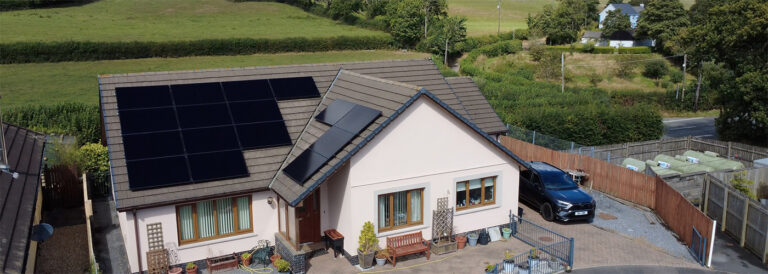
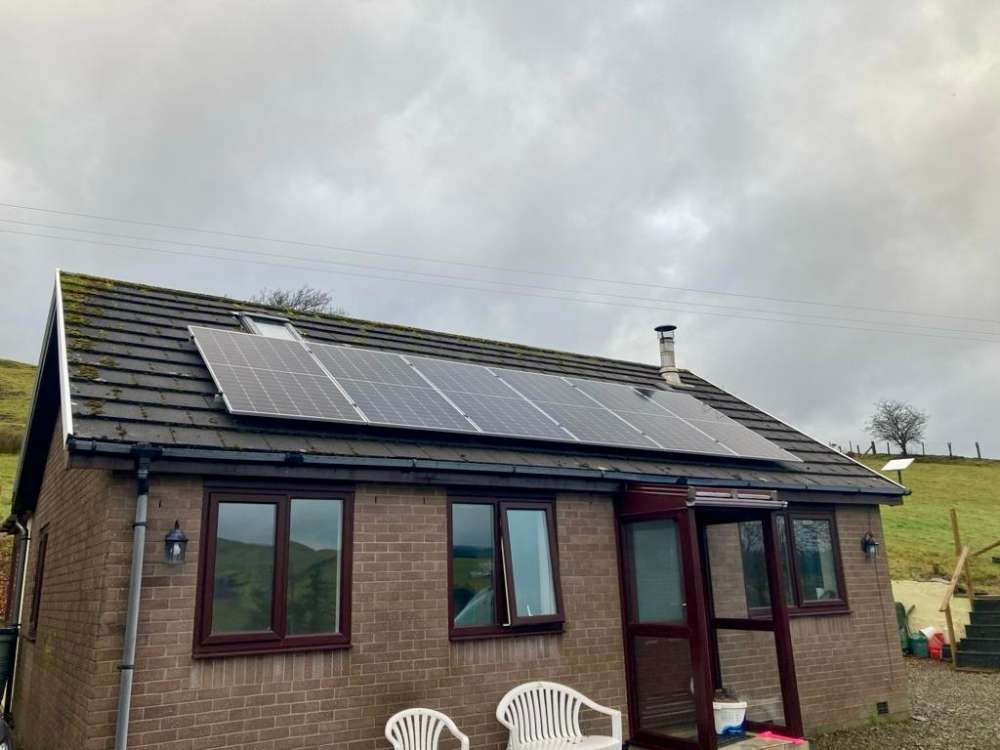
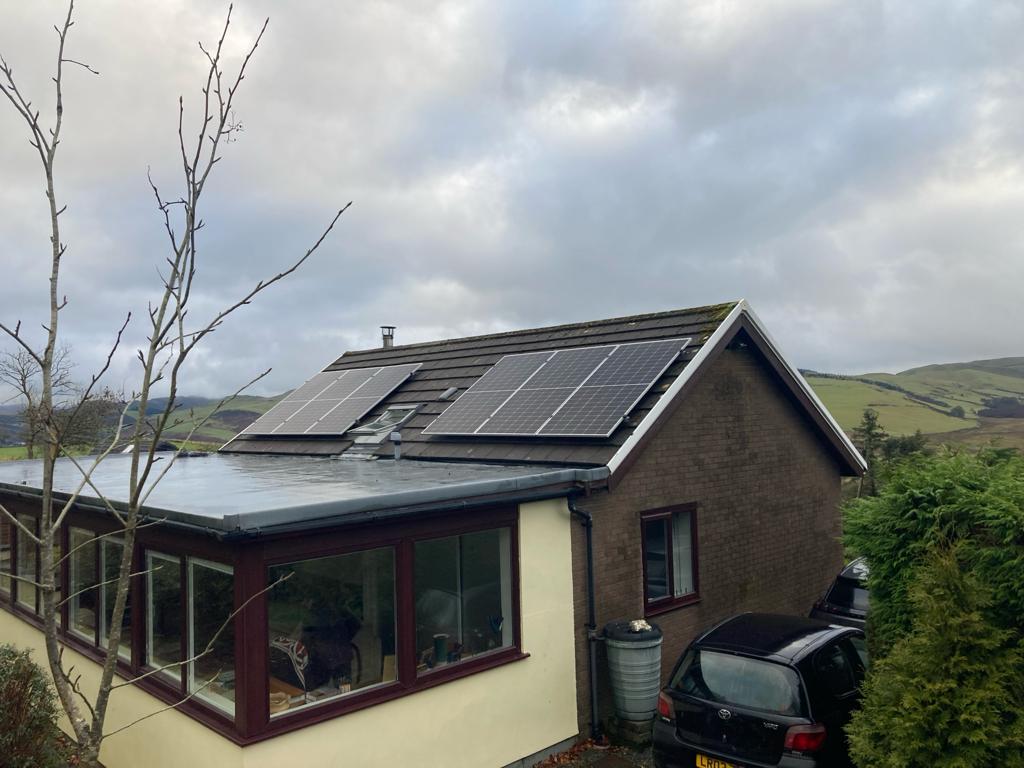
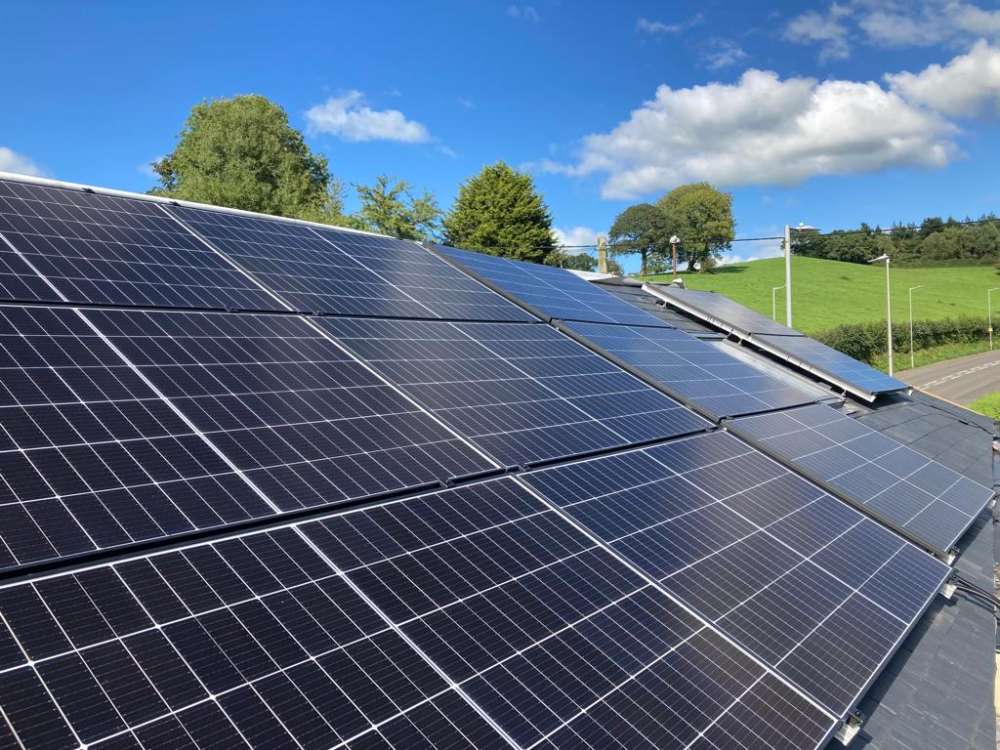
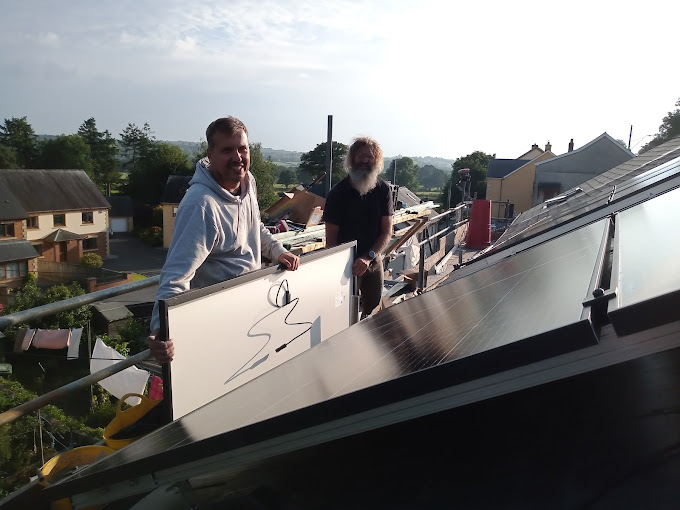
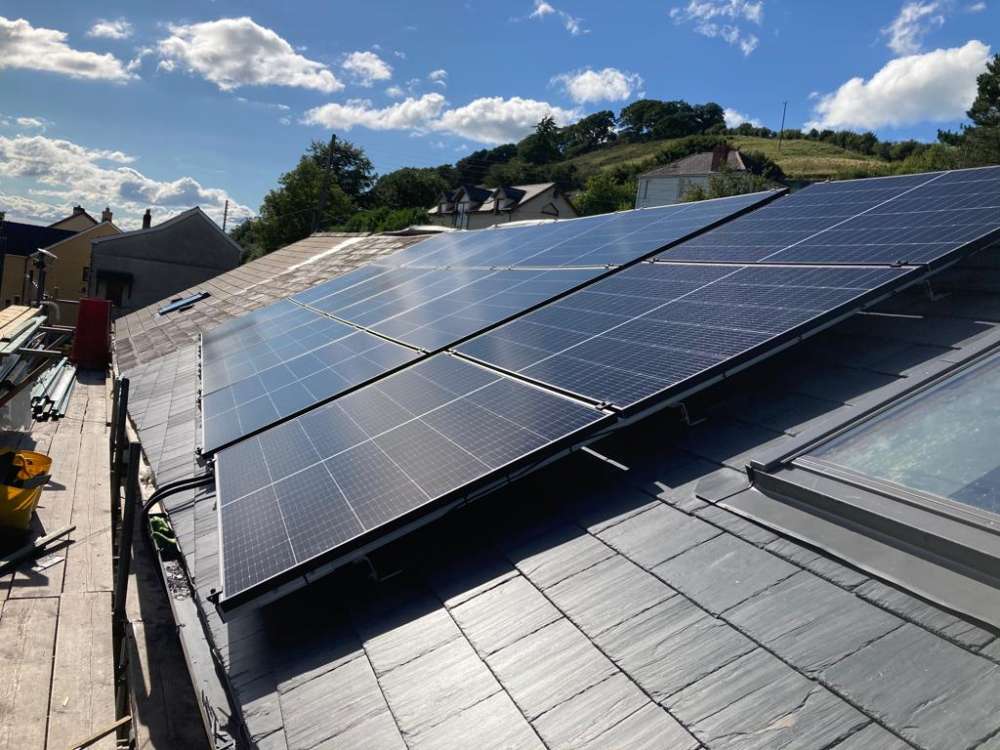
Residential solar panel installation on a UK home requiring DNO approval.

Confused About G99, DNOs and Solar Approval? Here’s a Simple Guide

Are you looking into solar panels, a home battery, or a full energy storage system? If so, you may have come across the terms DNO approval or G99 application.

You might be thinking, “What on earth does that actually mean?” — and you are definitely not alone.

Grid regulations can feel like a maze of technical jargon at first. However, this guide breaks it down in a simple and straightforward way. As a result, you will clearly understand what happens behind the scenes of a professional solar installation.

First Things First: What is a DNO?

A Distribution Network Operator (DNO) is the company responsible for the electricity infrastructure in your region. This includes the cables, poles, and substations that deliver electricity to homes.

The simple difference:

  • You pay your electricity bill to a supplier such as Octopus Energy, British Gas, or E.ON.
  • In contrast, your DNO maintains the physical network that delivers electricity to your property.

There are six main DNOs across the UK, including UK Power Networks, National Grid Electricity Distribution, and SP Energy Networks.

If you’re unsure who your local operator is, you can use the
Energy Networks Association postcode lookup tool
to find out instantly.

Why Is DNO Approval Required for Solar Panels and Batteries?

When you install solar panels or a home battery system, you are not only taking electricity from the grid. In fact, you are often exporting excess clean energy back into it as well.

This is excellent for sustainability. However, it still needs to be carefully managed.

For example, if multiple homes export electricity at the same time, it can place strain on local infrastructure.

Therefore, the DNO has an important role. It ensures:

  • Local cables are not overloaded
  • Voltage levels remain stable
  • The grid continues to operate safely and reliably
Quick Summary: If your system exports up to 3.68kW, it will usually follow the simpler G98 process. Larger systems require a G99 application before installation.

Related reading:

Solar PV Design & Consultancy Services

Learn more about systems and compliance here:

Solar Panels and Battery Storage Solutions

G98 vs G99 Explained: Solar Export Limits

The key difference between G98 and G99 comes down to one number:

3.68kW Export Capacity Per Phase

✓ G98 Process

For systems exporting up to 3.68kW:

  • Install first
  • Notify the DNO afterwards
  • No prior approval required
  • Typically faster to install

Think: Fit first, notify later.

⚡ G99 Process

For systems exporting more than 3.68kW:

  • Apply to the DNO first
  • Approval required before installation
  • May include export limitations
  • Additional grid assessment required

Think: Apply first, install later.

Important: Even smaller solar systems can fall under G99 if paired with a battery or hybrid inverter capable of higher export rates.

What Does the G99 Process Involve?

When you work with an experienced installer, they manage the entire process for you. Typically, it follows these steps:

1. System Design
Panels, inverter size, and battery configuration are designed for your property.

2. Application Submission
A technical application is sent to your local DNO.

3. Grid Assessment
The DNO reviews local network capacity and demand.

4. Decision
You will receive full approval, conditional approval, or a request for upgrades.

5. Installation & Commissioning
Once approved, installation can proceed safely.

How Long Does It Take?

  • G98: Immediate notification after installation
  • G99: Typically 2–4 weeks
  • Up to 8 weeks in constrained areas

The “First Come, First Served” Reality

Grid capacity is shared locally and is not unlimited.

  • Neighbouring systems can affect available capacity
  • Local substations have finite export limits
  • Earlier applications may secure better conditions

Therefore, early planning is always beneficial when considering solar or battery storage.

Do Home Batteries Need DNO Approval?

In many cases, yes.

A battery does more than store electricity — it can also export power back to the grid.

Because of this, batteries are assessed in the same way as solar systems.

If your system can export more than 3.68kW, a G99 application will usually be required.

Summary: We Handle Everything for You

You do not need to manage this process yourself.

A qualified MCS-certified installer will handle everything — from system design through to approval and commissioning.

In short:
  • Fully compliant system design
  • Safe grid connection
  • Optimised long-term performance

Ready to Explore Your Options?

If you’re considering solar panels or battery storage and want to understand what your property can support, we can help.

Book a free home survey today. We will guide you through the best solution for your home, energy usage, and future plans.

What Happens During a Power Cut & How Backup Power Works

Backup power from solar battery systems is not always guaranteed during a power cut. Many homeowners assume that solar...

How to Get Paid for Electricity You Export (2026)

If you are looking into solar panels in Wales, especially in areas like Carmarthenshire and West Wales, you will quickly...

Confused About G99, DNOs and Solar Approval? Here’s a Simple Guide

Are you looking into solar panels, a home battery, or a full energy storage system? If so, you may have come across the...

Is SolarEdge Worth it? A Beautiful 9kWp Install in Ceredigion

When people start exploring solar energy, they often focus on the panels. But in reality, one of the most important...

The New £9,000 Heat Pump Grant: Is Your Home Ready?

Heating your home has never felt more uncertain than it does today. Many households across Wales are still relying on...

Solar Panels for Business: How to Become an Energy Producer

Solar Panels for Business: The Brief Timberlink is a Midlands-based timber yard. The 13-acre site includes timber...
Read More
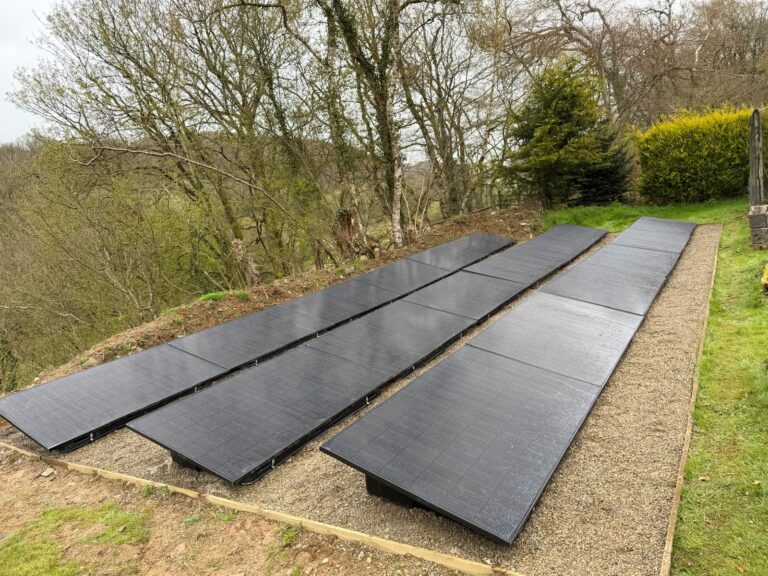
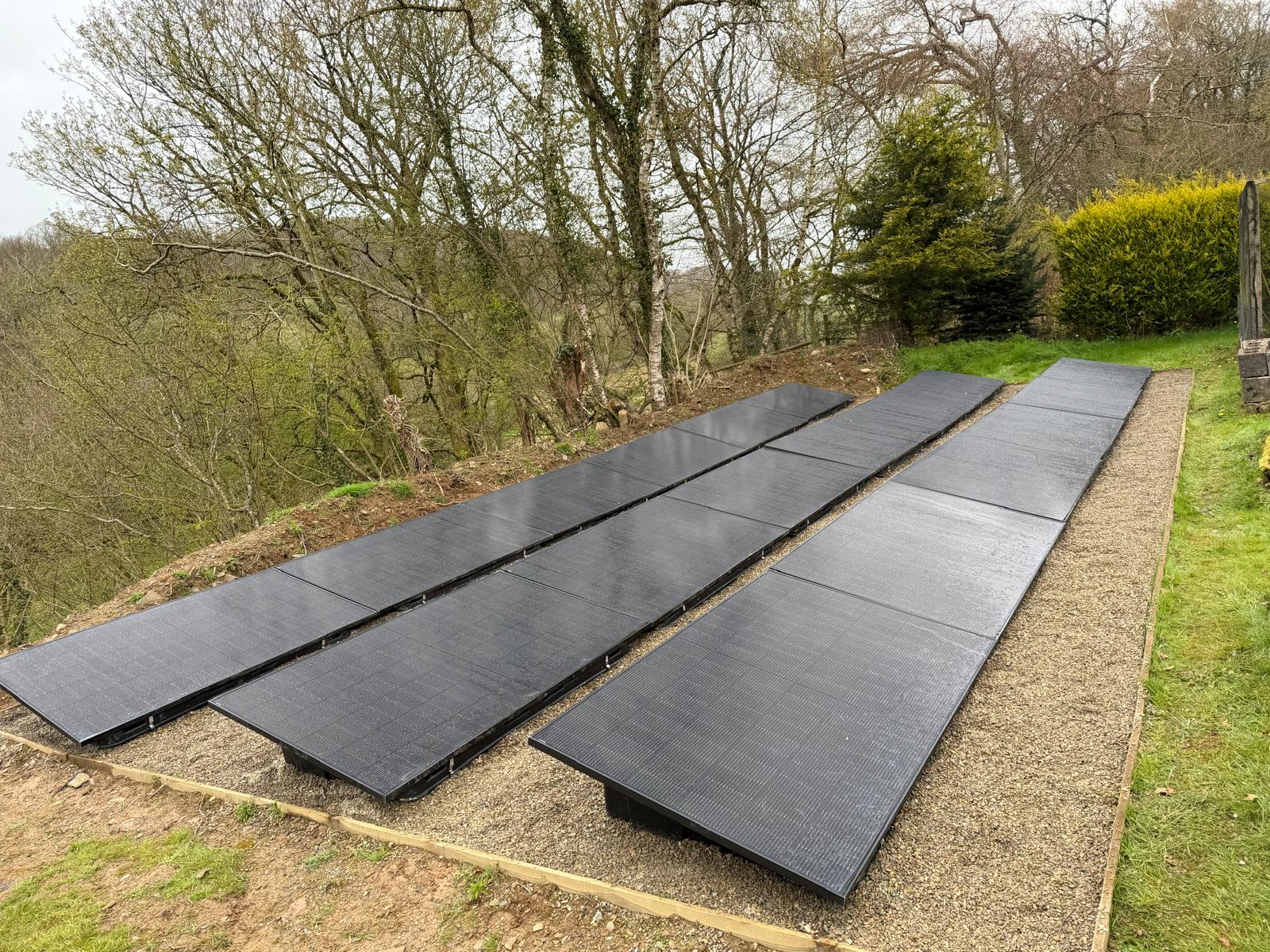
9kWp ground-mounted solar PV installation in Ceredigion Wales

Is SolarEdge Worth it? A Beautiful 9kWp Install in Ceredigion

When people start exploring solar energy, they often focus on the panels. But in reality, one of the most important decisions is choosing the right inverter technology. Recently, we completed a 9kWp ground-mounted solar installation in Pont Llanio, Ceredigion, using a SolarEdge hybrid inverter and 10kWh of battery storage. The project gave us a great opportunity to answer a question we hear regularly: Is SolarEdge actually worth the extra investment? Rather than focusing on specifications alone, this article looks at a real installation and why SolarEdge was chosen for this particular property.

The Challenge

Like many rural properties across Wales, the homeowners wanted to reduce their reliance on grid electricity and make better use of renewable energy. The property had plenty of available land, making a ground-mounted system a practical alternative to a roof-mounted installation. This allowed us to position the panels at an optimal tilt and orientation — something that’s not always possible on rooftops in the UK, where roof pitch and direction can typically reduce solar output by 10–25% compared to an ideal south-facing array. The homeowners were also interested in battery storage, allowing them to use more of their solar energy in the evening and reduce electricity imports from the grid. More details about how this works can be found in our solar PV and battery storage guide.

The Solution

After assessing the property’s energy requirements, we designed and installed:
  • 9kWp ground-mounted solar PV system
  • 6kW SolarEdge hybrid inverter
  • 10kWh battery storage system
  • Advanced monitoring platform
The aim was simple: maximise energy generation, increase self-consumption, and create a system that can adapt to the household’s future energy needs.

Why We Chose SolarEdge for This Project

Not every installation requires SolarEdge. For straightforward systems with no shading and simple layouts, a traditional string inverter can perform very well. However, this project benefited from several key advantages that SolarEdge offers. The first is flexibility. Because SolarEdge uses power optimisers on each panel, every module operates independently. This gives us more freedom when designing the system and helps ensure each panel performs at its maximum potential. For homeowners, this means the system is better able to capture every available unit of solar energy.

When One Panel Doesn’t Drag Down the Whole System

One of the biggest differences between SolarEdge and a traditional string inverter is how individual panels are managed. In a standard system, panels are connected in strings. If one panel becomes shaded or underperforms, it can reduce the output of the entire string. SolarEdge uses power optimisers to allow each panel to operate independently. This means:
  • Reduced impact from partial shading
  • More consistent system performance
  • Greater visibility of individual panel output
  • Easier identification of performance issues
While no solar system can generate power from shade, SolarEdge helps reduce the energy losses that shading can cause. For Welsh homes, where weather conditions can change quickly throughout the day, this can make a noticeable difference over time.

Battery Storage Makes a Bigger Difference Than Most People Expect

One of the most common misconceptions about solar is that generating electricity automatically means lower bills. In reality, savings depend heavily on when you use that electricity. Most households use a significant amount of energy in the morning and evening, when solar production is lower. That’s why we paired this installation with 10kWh of battery storage. Instead of exporting surplus electricity during the day, the system stores excess energy for later use. This allows the homeowners to:
  • Use more of their own solar energy
  • Reduce electricity imports from the grid
  • Improve energy independence
  • Maximise the value of their system
For many households, battery storage can have a greater impact on savings than adding additional panels.

Monitoring and Peace of Mind

Another reason we often recommend SolarEdge is the level of visibility it provides. Using the SolarEdge monitoring platform, the system can be viewed in real time via smartphone or computer. Homeowners can see:
  • Real-time energy generation
  • Battery charging and discharging activity
  • Household energy consumption
  • Performance of individual panels
For anyone interested in understanding where their energy comes from and how it is being used, this level of detail is extremely valuable.

So, Is SolarEdge Worth It?

The honest answer is: it depends. SolarEdge is not always the cheapest option, and not every property requires panel-level optimisation. However, for homeowners who value:
  • Maximum system performance
  • Detailed monitoring
  • Battery integration
  • Design flexibility
  • Future expandability
it can be an excellent long-term investment. In the case of this 9kWp installation in Ceredigion, SolarEdge provided the flexibility, monitoring capabilities, and battery integration that made it the right fit for the project.

Key Takeaway

The most important lesson from this installation is not that SolarEdge is right for everyone. It’s that the best solar system is the one designed around your property, your energy usage, and your future plans. For this homeowner in Pont Llanio, a ground-mounted solar array combined with SolarEdge technology and battery storage created a highly efficient renewable energy system designed to deliver benefits for many years to come. If you’re considering solar panels, battery storage, or a complete home energy upgrade, taking the time to design the right system from the start can make all the difference.
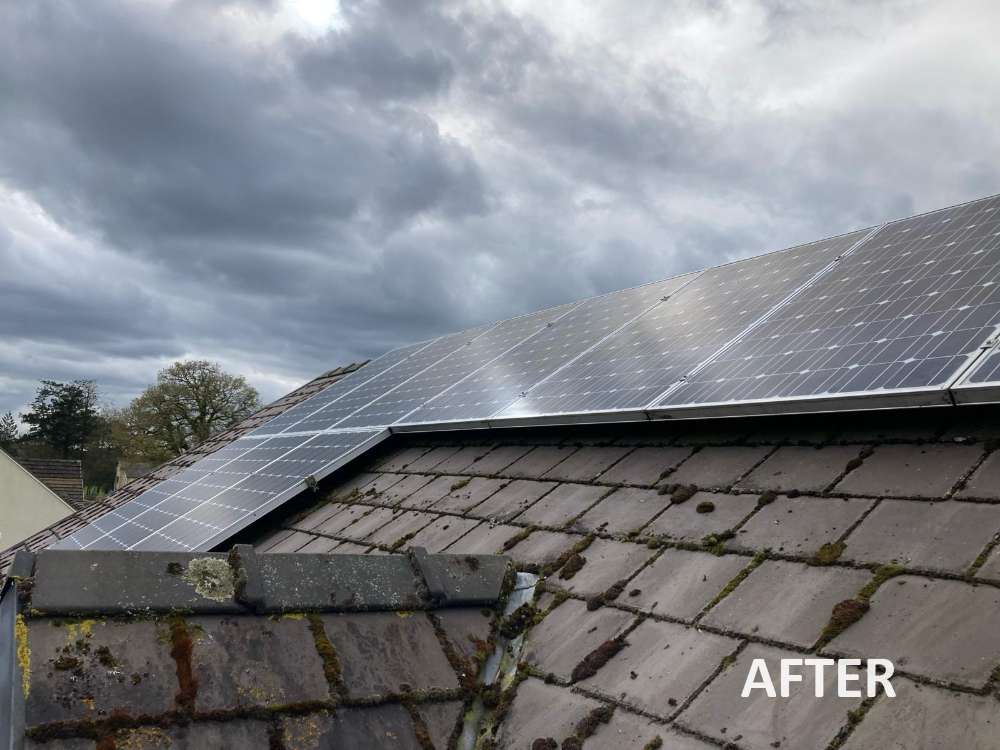
9kWp ground-mounted solar PV installation in Ceredigion Wales
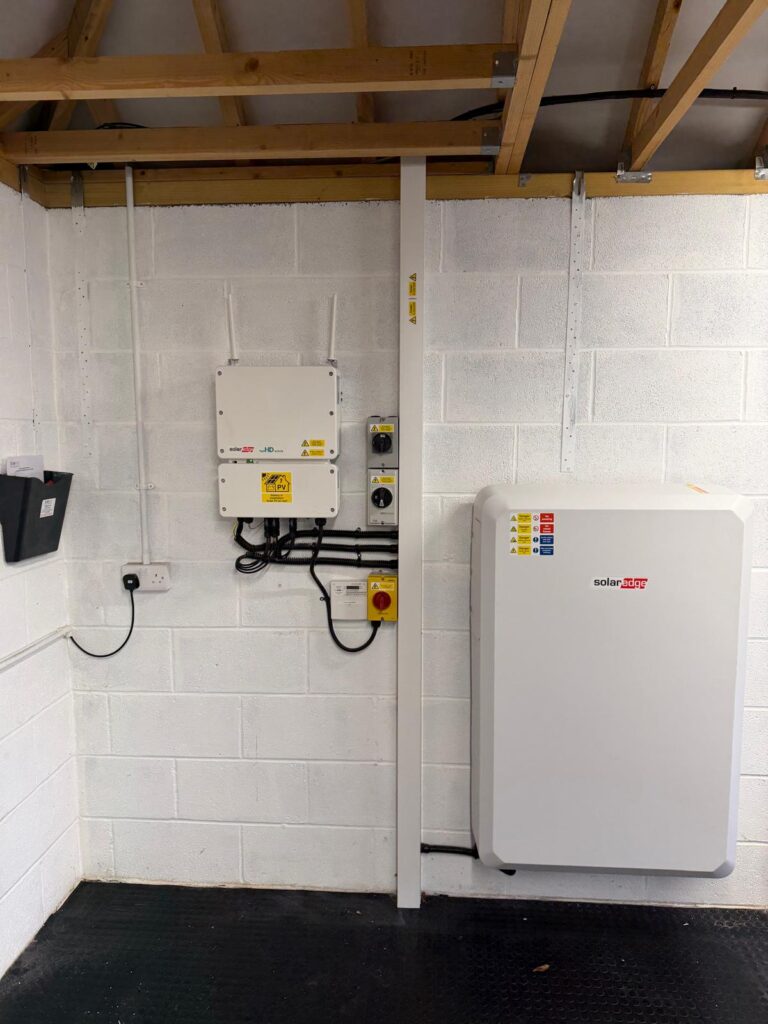
SolarEdge hybrid inverter with 10kWh battery storage installation in Wales
Read More
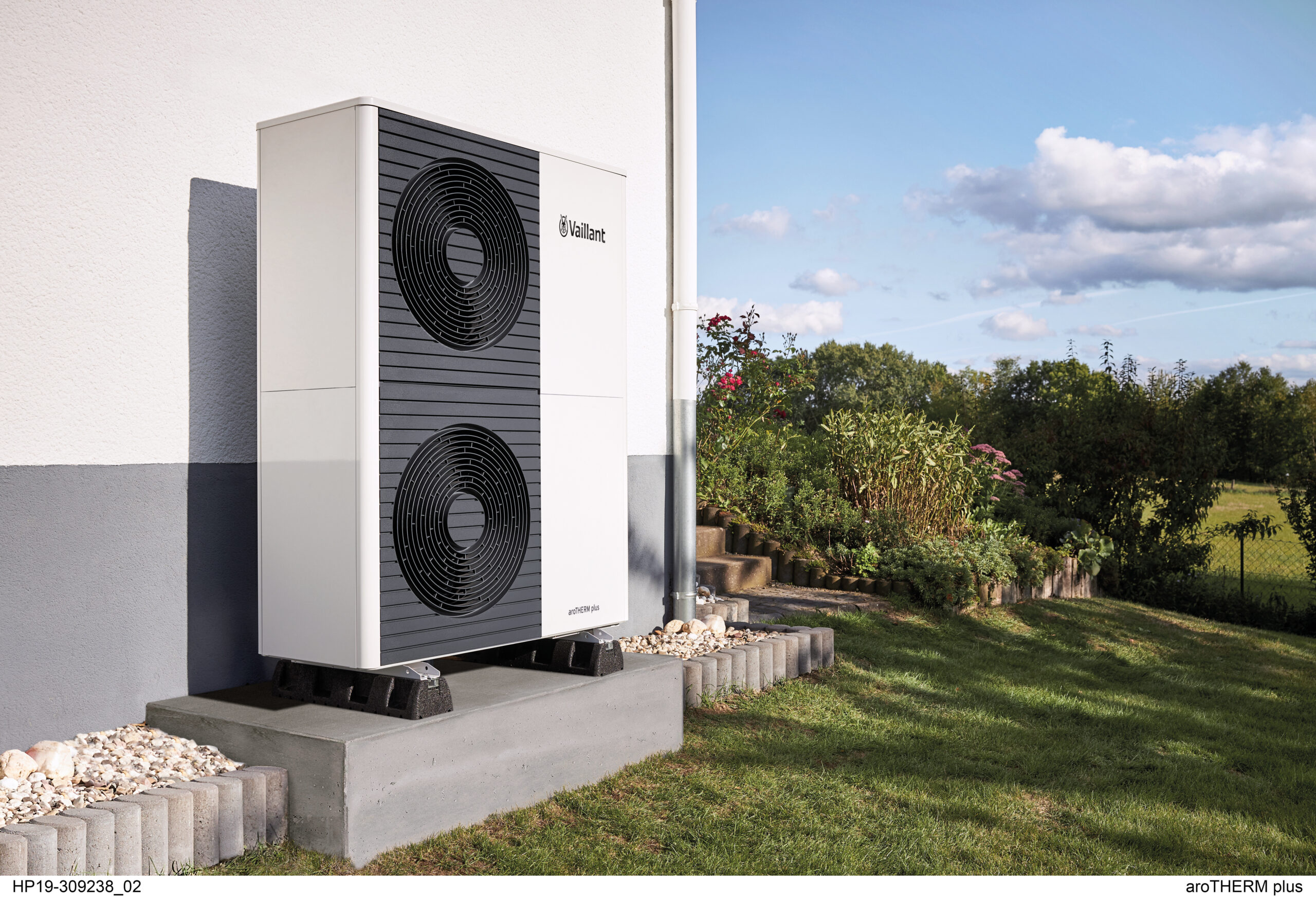
Air-source heat pump outdoor unit installed in a yard in Wales

The New £9,000 Heat Pump Grant: Is Your Home Ready?

Heating your home has never felt more uncertain than it does today. Many households across Wales are still relying on older oil, LPG, or gas boilers that are becoming more expensive to run and less reliable each year.

Breakdowns, rising fuel prices, and unpredictable winter bills are leading more homeowners to look for long-term alternatives.

One of the biggest opportunities right now is the updated Boiler Upgrade Scheme (BUS) — which now offers grants of up to £9,000 towards the cost of installing a heat pump.

But what has actually changed, and is your home eligible?

What Is the £9,000 Heat Pump Grant?

The UK Government’s Boiler Upgrade Scheme has been updated for 2026 to better support households switching away from fossil fuel heating.

There are now two grant levels:

  • £9,000 grant – for homes currently using oil or LPG heating (typically off the gas grid)
  • £7,500 grant – for homes currently using mains gas or electricity

The higher grant is specifically aimed at rural and off-grid homes, which often face the highest heating costs.

This support is designed to reduce the upfront cost of installing a low-carbon heating system such as an air source heat pump.

Why Heat Pumps Are Becoming More Popular

Heat pumps work differently from traditional boilers. Instead of burning fuel, they extract heat from the air outside and use it to warm your home.

For many homeowners in Wales, this offers three key benefits:

  • Lower reliance on oil and LPG prices
  • More stable long-term running costs
  • A low-carbon heating solution for the future

When installed correctly and paired with a well-insulated home, heat pumps can provide efficient, consistent heating throughout the year.

They also work particularly well when combined with solar panels and battery storage, allowing you to offset some of your energy use with self-generated electricity.

What’s Changed in 2026?

The updated scheme has made switching to heat pumps more accessible than before:

1. Higher grant support

Up to £9,000 is now available for qualifying homes.

2. No EPC improvement requirement upfront

You no longer need to complete insulation upgrades before applying, which removes a common barrier for homeowners.

3. VAT relief still applies

Energy-saving installations remain eligible for 0% VAT, helping reduce overall installation costs.

4. No income restrictions

Eligibility is based on the property, not household income.

These changes make the transition to renewable heating more straightforward for many households across Wales.

Who Is Eligible?

Eligibility depends mainly on your current heating system and property type.

You may qualify if:

  • Your home is in England or Wales
  • You own the property (including landlords in some cases)
  • You are replacing an existing fossil fuel system such as oil, LPG, gas, or electric heating
  • The property has a valid Energy Performance Certificate (EPC issued within the last 10 years)

The exact grant level depends on whether your home is on or off the gas grid.

If you’re unsure, a professional assessment is usually the quickest way to confirm eligibility.

How the Grant Process Works

One of the biggest advantages of the scheme is that homeowners don’t need to manage the application themselves.

The process is typically:

1. Home survey

A qualified installer assesses your property to determine suitability for a heat pump system.

2. Eligibility confirmation

Your installer checks your grant eligibility and confirms the level of funding available.

3. Installation and grant application

Once you proceed, your installer applies for the grant on your behalf. The grant is paid directly to the installer and deducted from your total installation cost.

This removes paperwork and ensures the process is handled correctly.

Helpful Resources for Homeowners

If you’d like to do your own research, we recommend these official sources:
 

Will a Heat Pump Reduce My Energy Bills?

Running costs depend on several factors, including insulation levels, property size, and energy usage habits.

In well-prepared homes, heat pumps can offer predictable and efficient heating compared to oil or LPG systems, where prices fluctuate significantly.

However, the biggest benefit for most homeowners is not just cost savings — but long-term price stability and energy independence.

When combined with solar PV, some households can further reduce their reliance on the grid by using self-generated electricity to power their heating system.

Real Example: A Combined System in Wales

We recently completed a project in Wales where a homeowner upgraded from an oil boiler to a heat pump system alongside solar PV and battery storage.


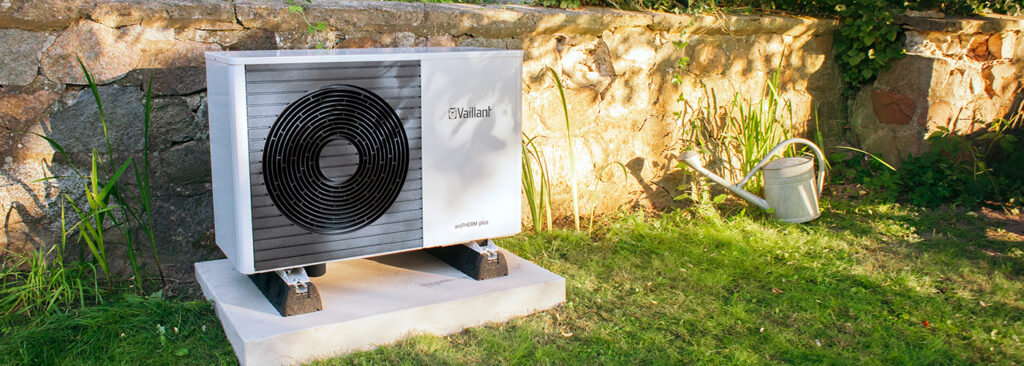
Domestic air-source heat pump installed on a Welsh home exterior Vaillant

Claim Your Heat Pump Grant

Read More
Residential solar panels installation Carmarthen

What You Need to Know About Residential Solar Panels 2026

Thinking about adding solar panels to your home in Wales? 2026 is an exciting time for residential solar. With smarter technology, supportive government initiatives, and more ways to save energy and money, solar has never been more accessible.

UK Solar & Renewables Market Growth: 2025 Recap

Before we dive into 2026, let’s take a look back. In 2025, the UK saw a record year for certified renewable installations in homes and small businesses, with 369,000 systems installed.

This record-breaking growth was driven by three key technologies:

  • Solar panels: Over 267,000 rooftop systems, surpassing the previous 2011 record by 31%.
  • Heat pumps: More than 60,000 installations, the highest annual total ever recorded.
  • Battery storage: Over 40,000 certified systems, almost doubling the previous record.

Put simply, that equates to one installation every 90 seconds across the UK, according to the Microgeneration Certification Scheme (MCS). This represents a 34% increase compared to 2024 and brings the total number of certified installations since 2009 to 2.4 million, with more than a quarter completed in just the last two years.

The energy potential of these new systems is significant. Installations delivered in 2025 alone are capable of generating around 1.8 billion kWh annually — enough to power the entire London Underground network for a full year. Total installed renewable capacity since 2009 now exceeds 10GW. (https://mcscertified.com/uk-homes-installing-a-small-scale-renewable-every-90-seconds/)

This growth shows that homeowners and small businesses are increasingly choosing solar panels, battery storage, and heat pumps not only for cost savings, but for energy independence and long-term sustainability.

Top Performing Areas in Wales (2025)

Wales has been a strong contributor to this growth. Areas with the highest number of new solar PV installations in 2025 included:

  1. Powys – 1,466 installations
  2. Carmarthenshire – 1,373 installations
  3. Gwynedd – 1,118 installations
  4. Pembrokeshire – 1,076 installations
  5. Isle of Anglesey – 979 installations

What Is Changing in the Solar Market in 2026?

As we move through 2026, the UK solar market continues to evolve. Technology is more efficient than ever, and demand remains strong as households prioritise energy stability.

While market conditions can fluctuate, the long-term case for solar remains compelling. The current zero-rated VAT on residential solar installations (available until 2027) helps reduce upfront costs, and ongoing energy price adjustments continue to make self-generation an attractive option for homeowners.

For many households in Wales, solar is no longer simply an environmental choice — it is becoming a practical step toward financial resilience and energy control.

What Affects Solar Installation in Wales?

Every home is unique, so the ideal solar system depends on several important factors:

  • Roof size and orientation: South-facing roofs typically generate the most electricity, though east and west-facing systems also perform well.
  • System size and additional technology: Adding battery storage, EV charging, or smart energy controls can increase overall savings.
  • Installer quality: Certified installers ensure safe installation and regulatory compliance.
  • Government support schemes: Incentives and export payments can improve overall returns.
A professional site assessment ensures the system is designed specifically around your home’s energy usage and roof layout.

Government Incentives in 2026

The UK continues to support homeowners investing in renewable energy. Key schemes include:

  • Warm Homes Plan: Low- or zero-interest loans and additional support for eligible households.
  • Zero-Rated VAT: Reduced VAT on residential solar installations until 2027.
  • Smart Export Guarantee (SEG): Payments for surplus electricity exported back to the grid.
  • Energy Efficiency Grants: Additional support for qualifying homes improving overall energy performance.

How the Smart Export Guarantee (SEG) Works

If your solar panels generate more electricity than your household uses, the excess can be exported to the grid.

Under the Smart Export Guarantee, energy suppliers are required to pay homeowners for exported electricity. Suppliers set their own rates, which creates competition in the market. Some tariffs offer higher returns when combined with battery storage or specific supply agreements.

Steps to Start Earning Through SEG

  1. Certification: Your solar system must be installed by an MCS-certified installer to qualify.
  2. Smart Meter: A compatible smart meter is required to record export readings.
  3. Export Registration: Your energy supplier will arrange an Export MPAN once your tariff is confirmed.

Households with battery storage may benefit from time-of-use tariffs that allow stored electricity to be exported during peak evening periods.

Planning and Regulations in Wales

In most cases, rooftop solar panels in Wales fall under permitted development rights and do not require planning permission, provided installation guidelines are followed.

Flat roofs often offer additional flexibility, and new-build properties increasingly integrate solar as standard.

Professional Guidance Matters

Working with a certified installer ensures all paperwork, grid applications, and compliance requirements are handled correctly, giving homeowners peace of mind.

How to Choose the Right Solar Installer

Selecting the right installer is essential to long-term system performance. When comparing providers, consider:

  • Accreditation and certification status
  • Warranty coverage and aftercare services
  • Clear system design tailored to your energy needs
  • Guidance on eligibility for government schemes

A well-designed and properly installed solar system can deliver reliable performance for decades, helping households across Wales reduce bills and move toward cleaner energy.

Other Pages You Might Be Interested In

EV Charging

EV Charging Solutions: Smart, Sustainable and Future-Ready Go All-Electric with an EV Charger at Your Home or Workplace Change is happening fast! Electric vehicle (EV) sales in the UK are growing...

Heat Pumps

Heat Pumps for Homes in Wales Let’s face it — that old boiler has had its day. The stress of breakdowns, unpredictable bills, and rising energy costs can be exhausting. What if your heating could...

Solar & Batteries

Solar PV & Battery Storage Trusted Local Solar Installers in Llandeilo, Wales Our team of fully qualified renewable energy engineers has over 25 years’ experience in heating and electrical...
Read More
Aberystwyth home solar PV panels with battery storage and electric vehicle connected for Vehicle-to-Load energy system.

Solar PV, Battery Storage, and Vehicle-to-Load Technology in Aberystwyth

Introduction

Imagine powering your home with Solar PV, storing that energy with battery storage, and using your electric car with Vehicle-to-Load technology as a backup generator. This isn’t a vision of the future—it’s the reality for one household in Aberystwyth, Wales.

We were thrilled when a forward-thinking customer approached us with an ambitious goal: to create a fully integrated renewable energy system combining Solar PV, battery storage, and Vehicle-to-Load technology to maximize their independence from the grid. Their secret weapon? The cutting-edge V2L capabilities of their new electric vehicle.

The Ambition & The Challenge

Our customer didn’t want just solar panels, or just a battery. They wanted a seamless ecosystem where each component communicates with the others to optimize energy usage and provide ultimate resilience. The key components of their vision were:

  • Solar Generation: A 4.68 kWp solar PV array to capture clean, free energy from the Welsh sun.
  • Energy Storage: A 5.8 kWh battery system to store excess solar power for use at night or on cloudy days.
  • Mobile Power: Vehicle-to-Load (V2L) Technology, allowing their electric vehicle to power their home during peak tariffs or a grid outage.

The primary hurdle wasn’t installing the individual parts, but ensuring they worked together as one intelligent system. Seamless communication between the solar inverter, the battery, and the EV2L system was crucial to avoid inefficiencies and unlock the full potential of their investment.

Our Solution & Remarkable Results

Our team designed and installed a bespoke system built on synergy:

  • The Heart of the Home: The 4.68 kWp solar array was installed to efficiently cover the roof, acting as the primary power plant.
  • The Energy Bank: The 5.8 kWh battery was integrated to store every possible watt of solar energy, minimizing grid import.
  • The Game-Changer: We implemented the EV2L capability, turning the customer’s electric vehicle into a mobile, high-capacity power reservoir. Now, when the battery is low or grid prices are high, the car can effortlessly supply power to the house.

The Results:

  • Dramatic Cost Savings: 66% reduction in electricity bills from April to May.
  • Unprecedented Energy Independence: The solar PV and battery combo covers the vast majority of daily needs.
  • Total Peace of Mind: EV2L system provides a powerful backup solution during power cuts or peak-time electricity tariffs.

This project in Aberystwyth is a blueprint for the modern, resilient, and efficient home. It proves that by intelligently integrating solar PV, battery storage, and electric vehicle technology, homeowners can achieve significant financial savings and complete energy security.

Read More
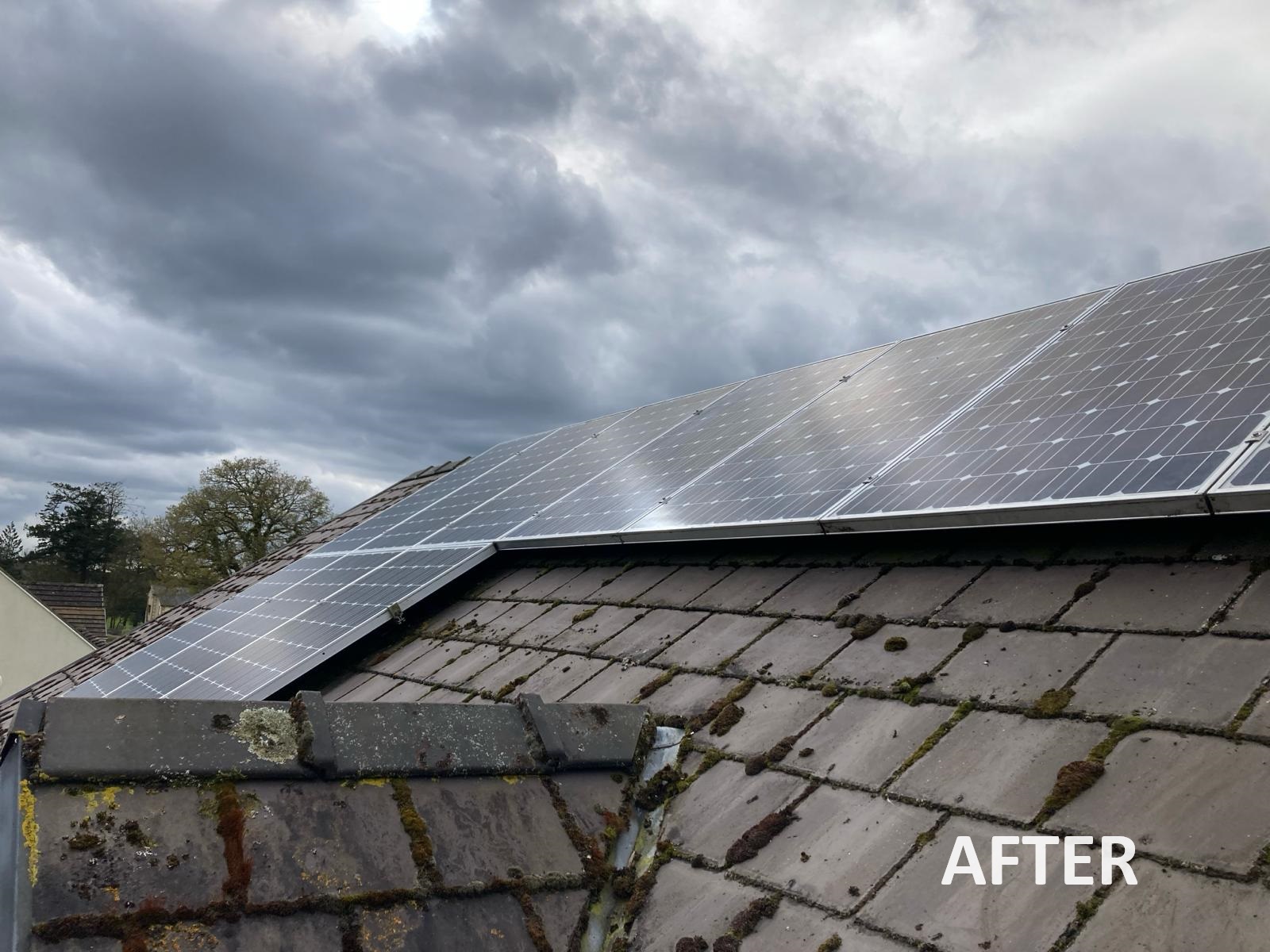
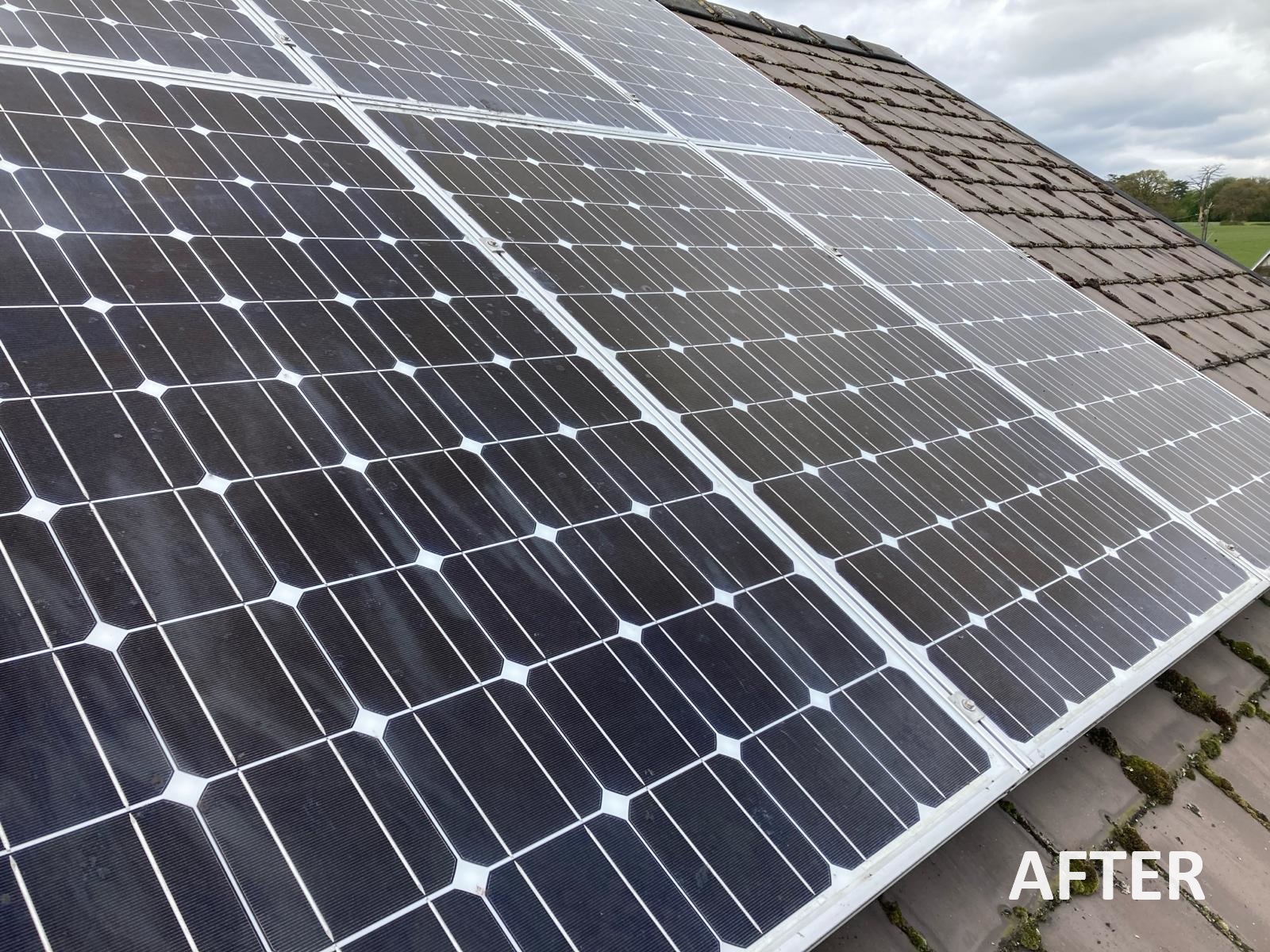
Solar panels after professional cleaning, restored to peak efficiency.

From Gritty to Great: Reviving a 13-Year-Old Solar System

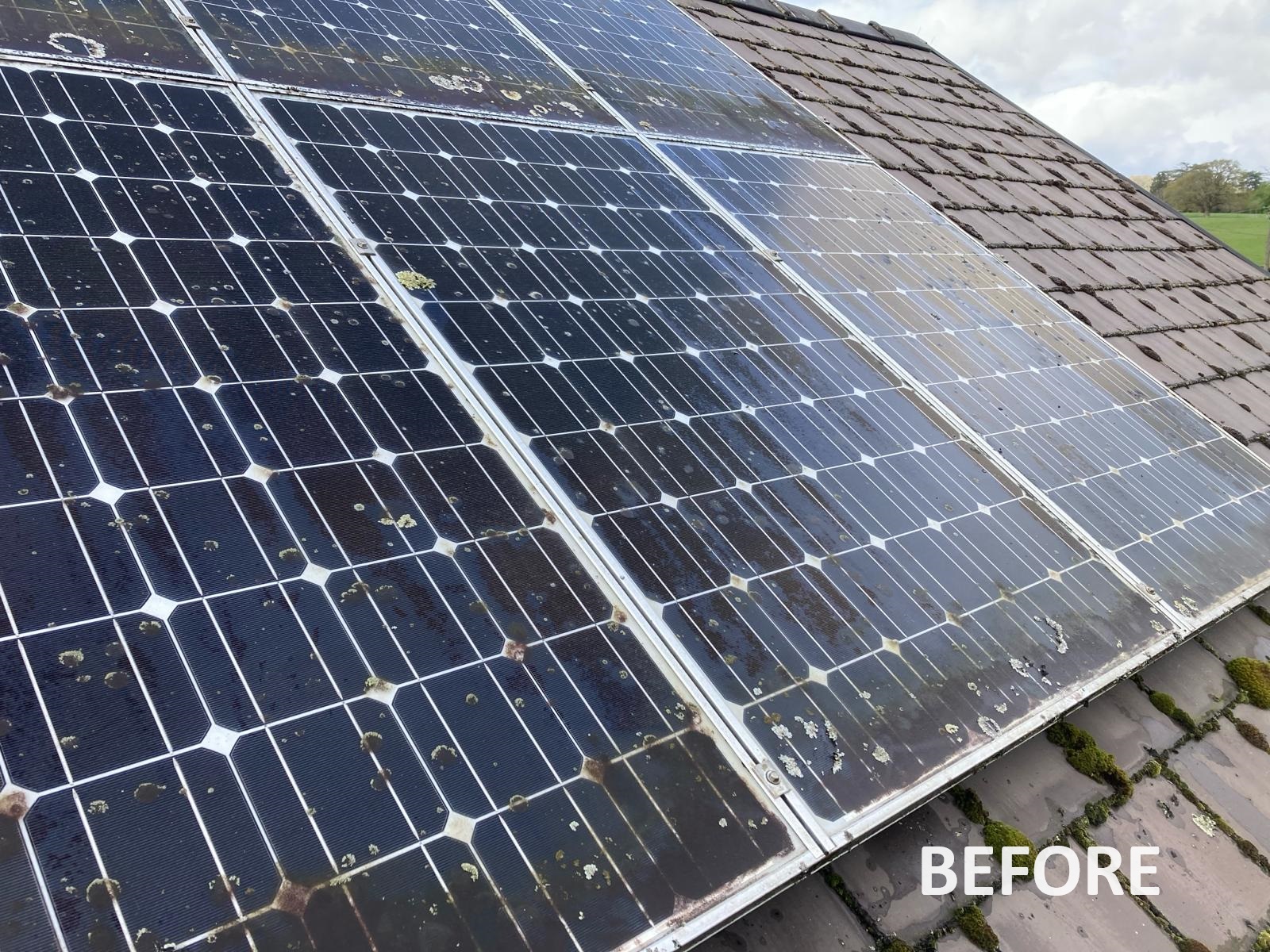
After 13 years of reliable solar energy, our customer noticed their solar panels weren’t performing like they used to and reached out to us for help. Our inspection revealed two major issues: a malfunctioning inverter and meter, and heavily soiled solar panels.


The Solution:

Replacing the Inverter and Meter: 

We replaced the old inverter and meter with new, high-quality upgrades. This upgrade was essential because the inverter transforms solar power into usable electricity, and a faulty meter can mess with energy readings and billing.

Cleaning the Solar Panels: 

Our team gave the panels a deep clean, removing years of accumulated dirt. Clean panels are key to absorbing as much sunlight as possible and boosting overall system performance.

With these upgrades and a fresh clean, we managed to give the customer’s system a major performance boost, getting it back to peak efficiency.

Customer Feedback

Here’s what our customer had to say about the improvements made to their solar system:

“My solar system of 13 years or so was not generating properly. I contacted Solar Save Renewables to assess the problem and quote for a fix. Petar and his team were excellent from start to finish! They replaced the inverter and meter and also cleaned the (very dirty) solar panels. I was kept informed through the whole process. The quote came through very quickly and the work was complete within 6 weeks of the first contact. Highly recommend without any hesitation.”

D. Jones
Read More
Solar panel and battery storage installation on a Llandeilo, Wales home by Solar Save Renewables

Revamping Home Energy: A Solar Makeover in Llandeilo

We recently had the pleasure of working on a project to enhance the energy efficiency of a home in Llandeilo, South Wales.

The property previously relied on oil-fired heating and an electric immersion heater, consuming between 7,000–8,000 kWh annually. Our mission was to reduce their reliance on grid electricity and turn their home into a shining example of energy efficiency.

Here’s how we did it: 

We designed a system featuring 10 solar panels facing southeast and 6 panels facing northwest to maximise sunlight capture. 

We selected a superior inverter and added power optimizers to ensure every panel performed efficiently, even in the shade. 

To complement the 150-year-old Welsh slate roof, we installed sleek, all-black panels that blend seamlessly with the home’s classic look. 

Project Highlights Location: Llandeilo, South Wales, UK
System Size: 16 solar panels (10 SE-facing, 6 NW-facing)
Battery Storage: N/A (grid export system)
Orientation & Technology: Southeast and northwest-facing panels with power optimizers for maximum efficiency
Additional Features: Real-time monitoring and surplus export to Octopus Energy

The Benefits

  • The results have been incredible. Their daily electricity use dropped to just 6 kWh, greatly reducing their grid dependence. The system handles peak power effortlessly, and thanks to real-time monitoring software, any surplus is swiftly exported to Octopus Energy. On sunny May days, the system can generate up to 38 kWh — 10 kWh for home use and 28 kWh sent back to the grid. With an estimated payback period of just 9 years, they’re set to enjoy substantial savings. They now generate three-quarters of the electricity they once bought, reaping both financial rewards and making a positive impact on the environment.
Customer Feedback

They loved how prompt our responses were, how thorough our assessments were, and how meticulously we handled the installation. They found the whole process smooth and stress-free, reinforcing our reputation for quality and reliability in the local area.
Read on for our customer’s experience in their own words:

“I can highly recommend the enthusiasm, passion, and competence of Solar Save Renewables based in Llandeilo, South Wales. 12 years ago, I had a basic solar system installed by others, and although I am a competent amateur when it comes to cost-effectiveness of solar arrays, the time had now come for my parents’ bungalow to have solar installed.

Daily import pre-solar varied from 30 kWh in winter to 18 kWh in summer, totaling 7–8,000 kWh a year. Post-install, solar import has been as low as 6 kWh a day. Of all the companies contacted, only Solar Save Renewables responded promptly, attended when they said they would, carried out a thorough assessment, and were patient with my elderly parents and myself.

The installation, completed about three weeks later, involved a roofer, an electrician, and the owner of the company working for 2½ days. Impressively, at the end of each day, the site was virtually spotless. All team members were professional, knowledgeable, and easy-going.

After-sales service has been excellent. Petar genuinely seems proud of his work, which is reflected in the positive local reviews. This was a virtually stress-free project, and I can totally recommend Solar Save Renewables.”

Mark Goodwin,
Llandeilo, South Wales

Follow us for updates, projects & tips:

Read More
Home in Llangadog, Wales with 12 solar panels and EV charger installed by Solar Save Renewables

Renewable Energy Solution for a typical Two-Bedroom Home, Llangadog

A few months ago, a couple from Llangadog, Wales came across our advert and decided to explore the possibility of installing a solar energy system in their home. They were initially unsure about which company to choose for this project, so they took advantage of our free home visit and site survey. Impressed by our personal, professional approach and our thorough, prompt quotations, the customer happily chose us for their installation.   The Solution: Within just 10 days of finalising paperwork, our team got to work. Featuring 12 solar panels and two storage batteries, the installation was completed swiftly with minimal disruption to the customer’s daily routine. As part of our service, we also took care of all the insurance and certification paperwork, lifting the administrative burden off our customer’s shoulders. Encouraged by their positive experience, the couple later asked us to add an electric vehicle (EV) charger, further enhancing their home’s energy efficiency.
Project Highlights Location: Llangadog, Wales, UK
System Size: 12 solar panels (approx. 5.4 kWp)
Battery Storage: 2 storage batteries
Orientation & Technology: Panels optimised for roof orientation and maximum daily generation
Additional Features: EV charger integration for enhanced home energy efficiency

Customer Feedback

The Walters praised our team for their professional, knowledgeable service and clear communication. They appreciated the swift, efficient installation and the comprehensive support provided during and after the installation.

“I was initially apprehensive in my search for a suitable company to install a solar energy system at my home. Nevertheless, I came across an advert for Solar Save Renewables, Llandeilo, and arranged a home visit. Within a couple of days of my initial phone call, Petar Pavlov of Solar Save Renewables attended my home and carried out a site survey. From the outset, I was impressed by his professional approach, technical knowledge, and ‘can do’ attitude. He explained everything in layman’s terms and presented a comprehensive quotation suitable for our needs.”

“Within 10 days of signing the relevant paperwork, Petar and his electrician Dan began the installation work. We made a last-minute decision to include an additional storage battery, which was ordered and included without delay. The installation package included a 2-year Home Improvement Protection insurance, an MCS Certificate of competence, and a Building Regulations Certificate. Petar and Diana handled all the necessary paperwork and contact with the National Grid, removing the stress for us.”

“The work was completed in a matter of days with minimal disruption to the daily running of our house. We are very pleased with the system that has been fitted, which includes 12 solar panels together with two storage batteries. I would recommend Petar and his team at Solar Save Renewables to anyone considering a solar energy system.”

, Llangadog, Wales
Read More
East-west facing solar panels with optimizers and battery storage installed on a rural Wales bungalow roof.

Rural Solar Optimisation on a Unique Roof in Aberystwyth

Charlie and Glen’s Solar Journey: Devil’s Bridge, Aberystwyth

Charlie and Glen from Devil’s Bridge, Aberystwyth, sought our expertise to address their rising electricity costs and explore sustainable energy solutions. We stepped in to design, deliver, and install a state-of-the-art 6.00kWp solar PV system, complemented by a 5.8kWh battery storage solution.

Despite facing a series of challenges, our dedicated team expertly navigated every obstacle, ensuring the project was completed successfully and exceeded our customers’ expectations.

The Solution:

When Charlie approached us with the question, “Can I install solar panels on an East-West facing roof?” we knew it would be a unique challenge. East-facing panels optimally catch the morning sun, while West-facing panels soak up the afternoon rays.

To maximise energy generation throughout the day, we installed a combination of East and West-facing panels.

Given the roof’s unique orientation, we chose high-power output panels to ensure efficient energy capture, no matter which direction they face. This smart setup guarantees optimal performance and energy savings.

We also had to manage the relocation of existing ventilation systems and tackle the unexpected challenge of rocky soil in the area.

Project Highlights


Location: Devil’s Bridge, Aberystwyth, Wales, UK
System Size: 6.00 kWp (Domestic)
Battery Storage: 5.8 kWh
Orientation & Technology: East-west facing panels for balanced daily generation
Panel Choice: High-output panels selected to maximise energy yield


Overcoming Site Challenges
Relocating existing ventilation systems required careful planning to maintain airflow without interfering with the new panels. The rocky soil also posed difficulties for ground-mounted supports and cabling, but our team used specialist equipment and precise site mapping to ensure safe, stable, and efficient installation.

Customer Feedback

Despite the harsh Welsh winter weather, the project concluded successfully. The glowing feedback from Charlie and Glen is the ultimate reward for our commitment to excellent service and customer satisfaction. Here’s what they had to say upon completion:

“Thank you once again for doing such a fantastic job in spite of the weather conditions. We couldn’t be more pleased with the outcome and we would be happy to recommend you to anyone.”

— Charlie and Glen
Read More
solar-panels-PV-Installations-_Semi-Detached-_Terraced-House_SolarSave-Renewables

The Stunning Solar Transformation of Two Terraced Homes

As a family-run business, we were thrilled to work with a lovely family in Nantgaredig to enhance their two, terraced homes with cutting-edge solar PV systems.

For the daughter’s end-terraced house, we set up a 3.4 kWp system with 5 solar panels, tailored to her home’s unique features. Her parents’ home got an even more robust 4.2 kWp system with 10 panels, designed to meet their larger energy needs.

We took great care in planning both installations to capture the most sunlight and fit seamlessly with the slate roofs and unique features of each home.

Project Highlights

Location: Nantgaredig, Wales
System Size:
3.4 kWp System (5 panels) – Daughter’s Home
4.2 kWp System (10 panels) – Parents’ Home
Payback Period: 7–8 years

The Benefits:

The results have been fantastic!

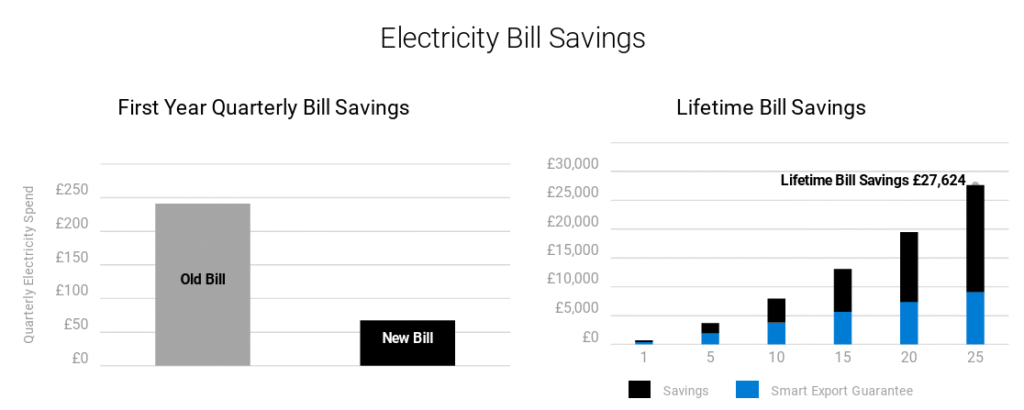
The daughter will see £19,057 in savings over her system’s lifetime, with her investment paying off in just 7 years. Her parents are looking at an impressive £27,624 in savings and a payback period of just over 8 years.

Their system is so efficient, it’s producing 142% of their energy needs from solar power alone!

The end result? A boost in energy efficiency and significant long-term savings that make it clear this was a smart and rewarding investment for the whole family.

Customer Feedback:

The client was impressed with how we at Solar Save Renewables handled everything, from our clear communication to how smoothly we worked with their builders throughout the solar PV installation.

“Solar Save Renewables were straightforward and easy to work with and liaised really well with the builders who were re-roofing my property to provide the most appropriate solar PV system for my home. Everything was explained really well throughout, on paper and in person, the electrician was superb, it was great value and I would highly recommend the company to prospective buyers. They really know their stuff.”

— Alice Day
Read More