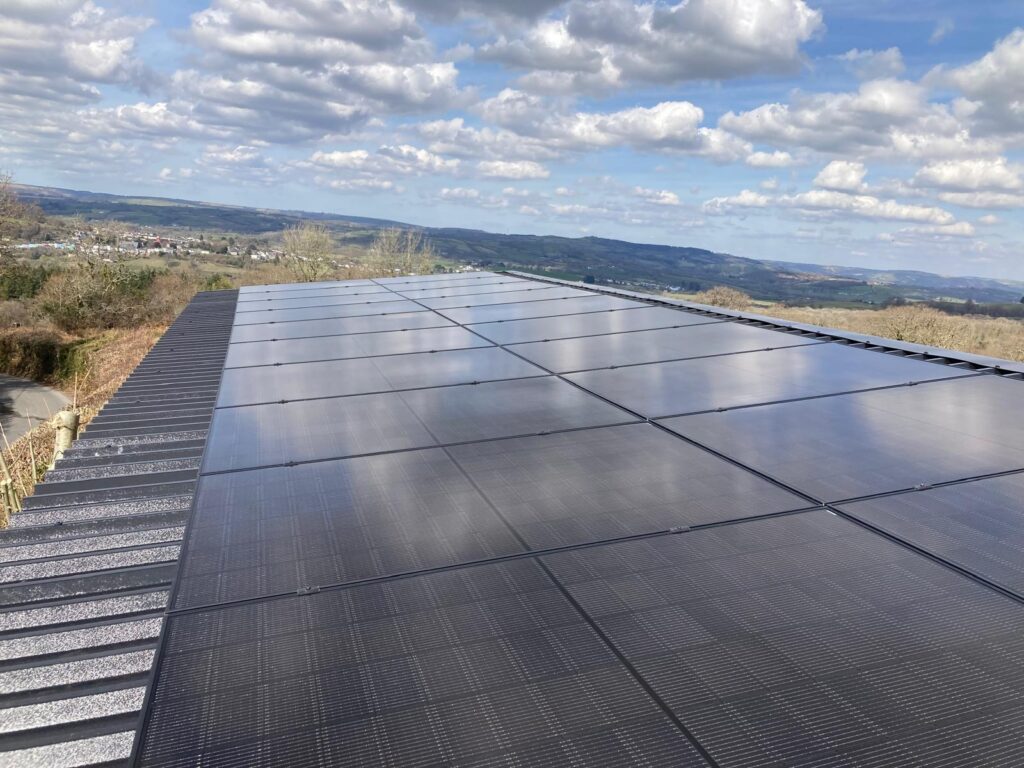
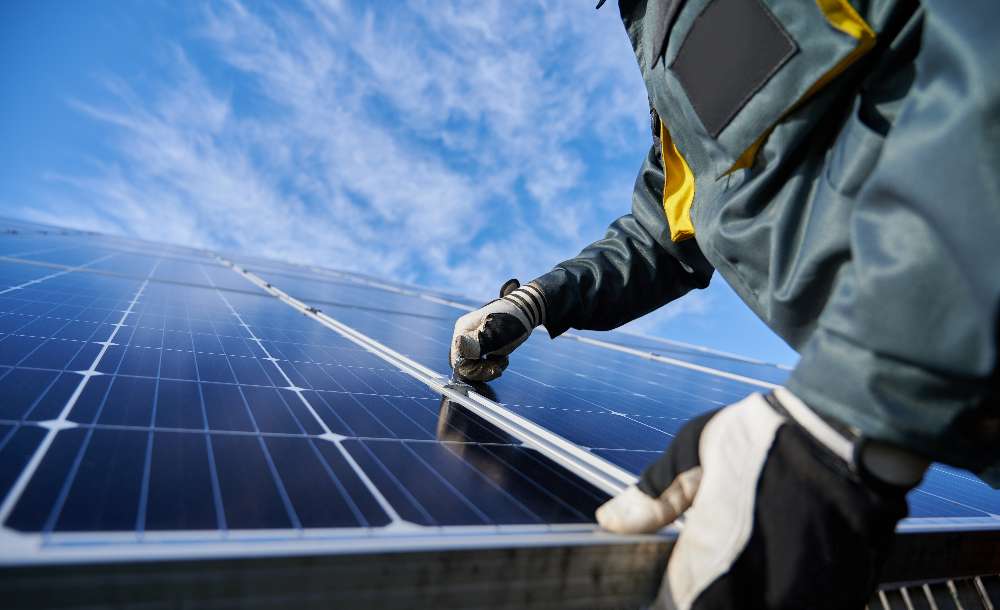
Thinking about adding solar panels to your home in Wales? 2026 is an exciting time for residential solar. With smarter technology, supportive government initiatives, and more ways to save energy and money, solar has never been more accessible.
UK Solar & Renewables Market Growth: 2025 Recap
Before we dive into 2026, let’s take a look back. In 2025, the UK saw a record year for certified renewable installations in homes and small businesses, with 369,000 systems installed.
This record-breaking growth was driven by three key technologies:
- Solar panels: Over 267,000 rooftop systems, surpassing the previous 2011 record by 31%.
- Heat pumps: More than 60,000 installations, the highest annual total ever recorded.
- Battery storage: Over 40,000 certified systems, almost doubling the previous record.
Put simply, that equates to one installation every 90 seconds across the UK, according to the Microgeneration Certification Scheme (MCS). This represents a 34% increase compared to 2024 and brings the total number of certified installations since 2009 to 2.4 million, with more than a quarter completed in just the last two years.
The energy potential of these new systems is significant. Installations delivered in 2025 alone are capable of generating around 1.8 billion kWh annually — enough to power the entire London Underground network for a full year. Total installed renewable capacity since 2009 now exceeds 10GW. (https://mcscertified.com/uk-homes-installing-a-small-scale-renewable-every-90-seconds/)
This growth shows that homeowners and small businesses are increasingly choosing solar panels, battery storage, and heat pumps not only for cost savings, but for energy independence and long-term sustainability.
Top Performing Areas in Wales (2025)
Wales has been a strong contributor to this growth. Areas with the highest number of new solar PV installations in 2025 included:
- Powys – 1,466 installations
- Carmarthenshire – 1,373 installations
- Gwynedd – 1,118 installations
- Pembrokeshire – 1,076 installations
- Isle of Anglesey – 979 installations
What Is Changing in the Solar Market in 2026?
As we move through 2026, the UK solar market continues to evolve. Technology is more efficient than ever, and demand remains strong as households prioritise energy stability.
While market conditions can fluctuate, the long-term case for solar remains compelling. The current zero-rated VAT on residential solar installations (available until 2027) helps reduce upfront costs, and ongoing energy price adjustments continue to make self-generation an attractive option for homeowners.
For many households in Wales, solar is no longer simply an environmental choice — it is becoming a practical step toward financial resilience and energy control.
What Affects Solar Installation in Wales?
Every home is unique, so the ideal solar system depends on several important factors:
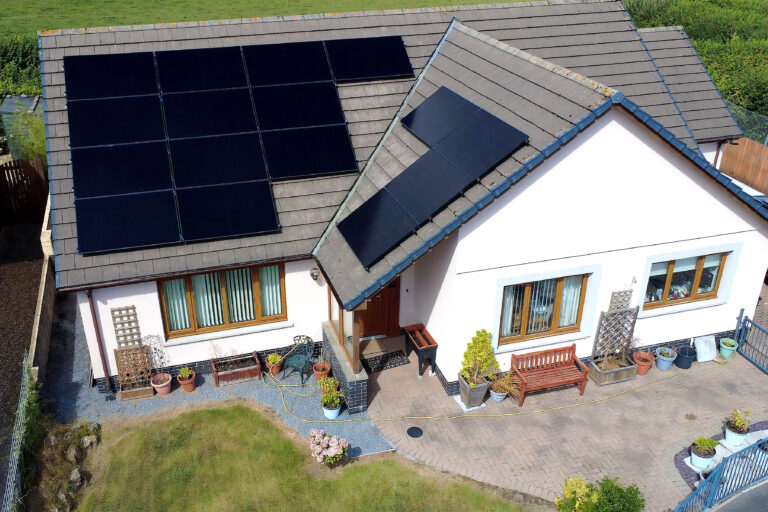
- Roof size and orientation: South-facing roofs typically generate the most electricity, though east and west-facing systems also perform well.
- System size and additional technology: Adding battery storage, EV charging, or smart energy controls can increase overall savings.
- Installer quality: Certified installers ensure safe installation and regulatory compliance.
- Government support schemes: Incentives and export payments can improve overall returns.
A professional site assessment ensures the system is designed specifically around your home’s energy usage and roof layout.
Government Incentives in 2026
The UK continues to support homeowners investing in renewable energy. Key schemes include:
- Warm Homes Plan: Low- or zero-interest loans and additional support for eligible households.
- Zero-Rated VAT: Reduced VAT on residential solar installations until 2027.
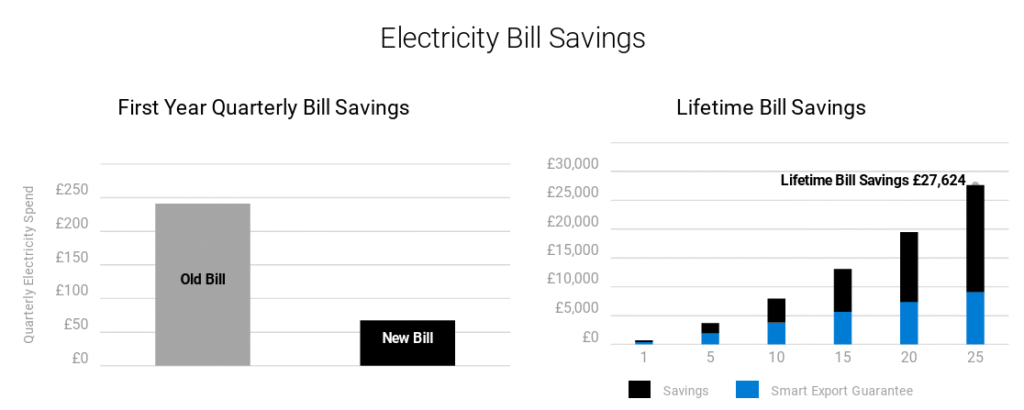
- Smart Export Guarantee (SEG): Payments for surplus electricity exported back to the grid.
- Energy Efficiency Grants: Additional support for qualifying homes improving overall energy performance.
How the Smart Export Guarantee (SEG) Works
If your solar panels generate more electricity than your household uses, the excess can be exported to the grid.
Under the Smart Export Guarantee, energy suppliers are required to pay homeowners for exported electricity. Suppliers set their own rates, which creates competition in the market. Some tariffs offer higher returns when combined with battery storage or specific supply agreements.
Steps to Start Earning Through SEG
- Certification: Your solar system must be installed by an MCS-certified installer to qualify.
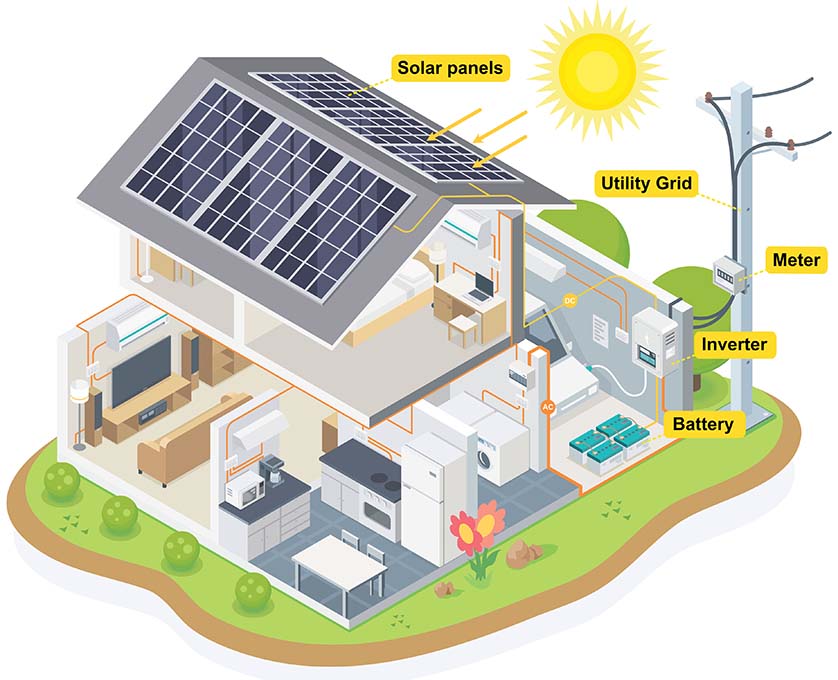
- Smart Meter: A compatible smart meter is required to record export readings.
- Export Registration: Your energy supplier will arrange an Export MPAN once your tariff is confirmed.
Households with battery storage may benefit from time-of-use tariffs that allow stored electricity to be exported during peak evening periods.
Planning and Regulations in Wales
In most cases, rooftop solar panels in Wales fall under permitted development rights and do not require planning permission, provided installation guidelines are followed.
Flat roofs often offer additional flexibility, and new-build properties increasingly integrate solar as standard.
Professional Guidance Matters
Working with a certified installer ensures all paperwork, grid applications, and compliance requirements are handled correctly, giving homeowners peace of mind.
How to Choose the Right Solar Installer
Selecting the right installer is essential to long-term system performance. When comparing providers, consider:
- Accreditation and certification status
- Warranty coverage and aftercare services
- Clear system design tailored to your energy needs
- Guidance on eligibility for government schemes
A well-designed and properly installed solar system can deliver reliable performance for decades, helping households across Wales reduce bills and move toward cleaner energy.