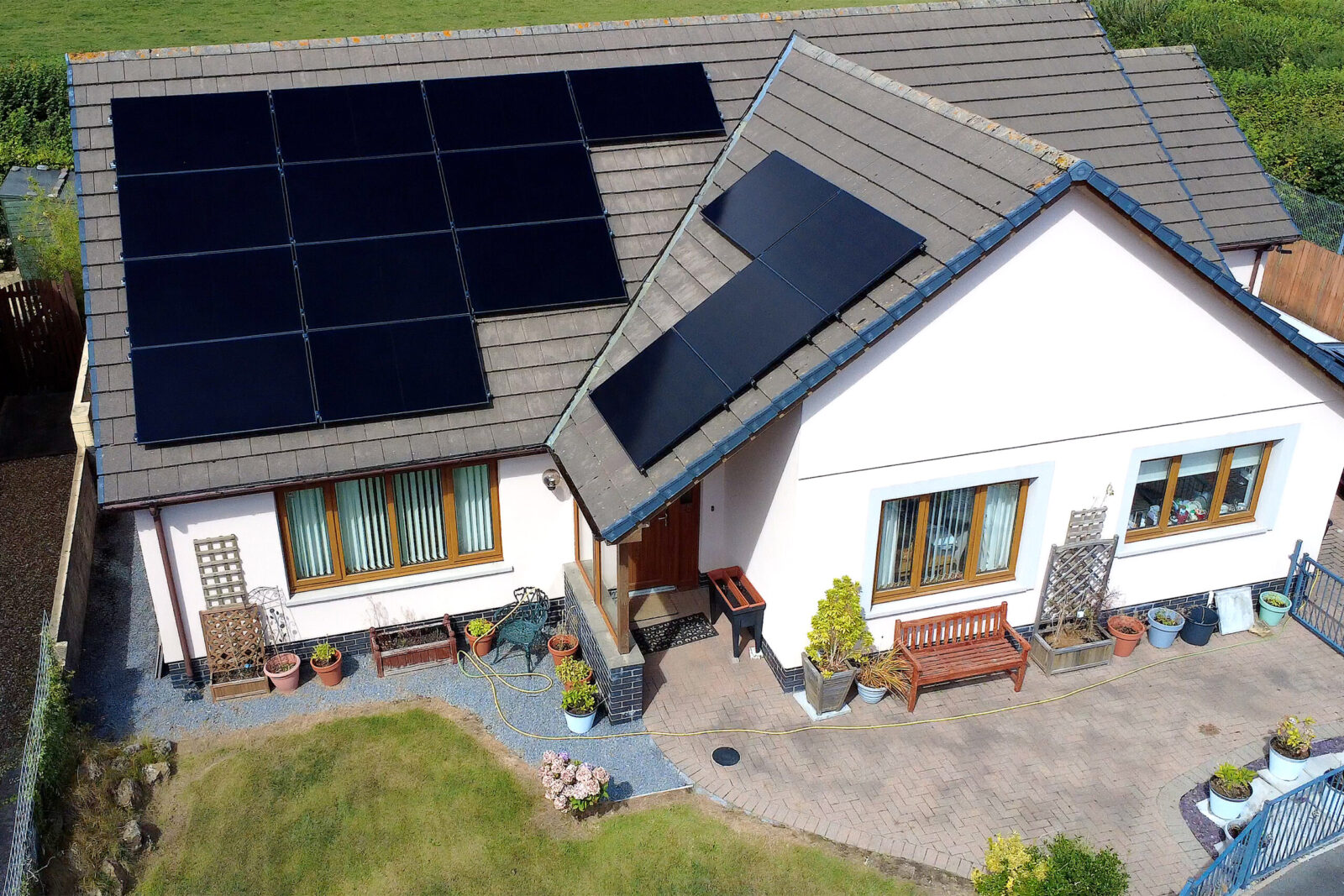
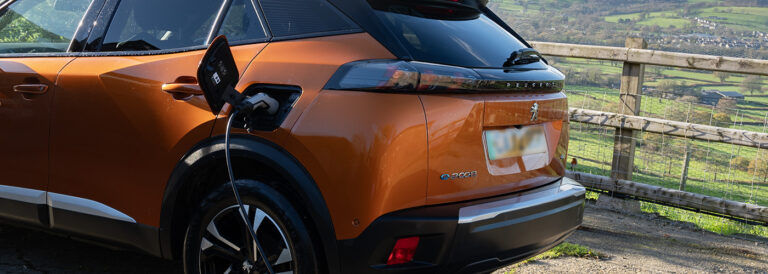
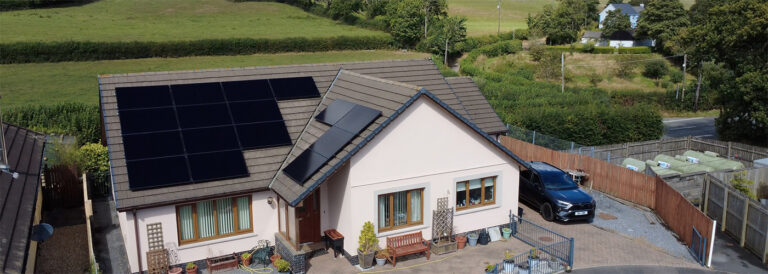
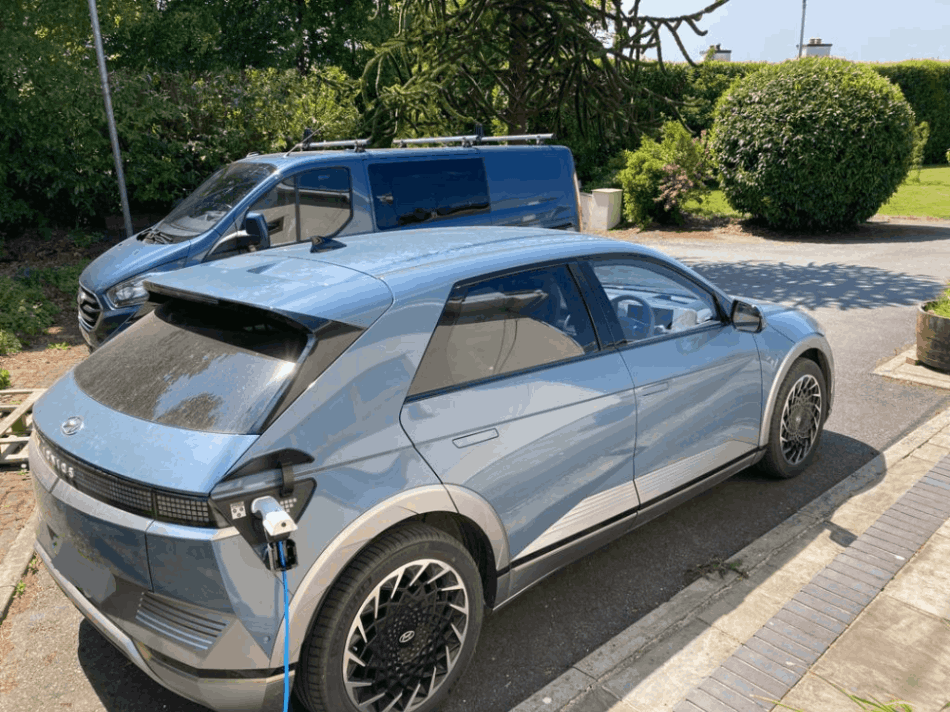
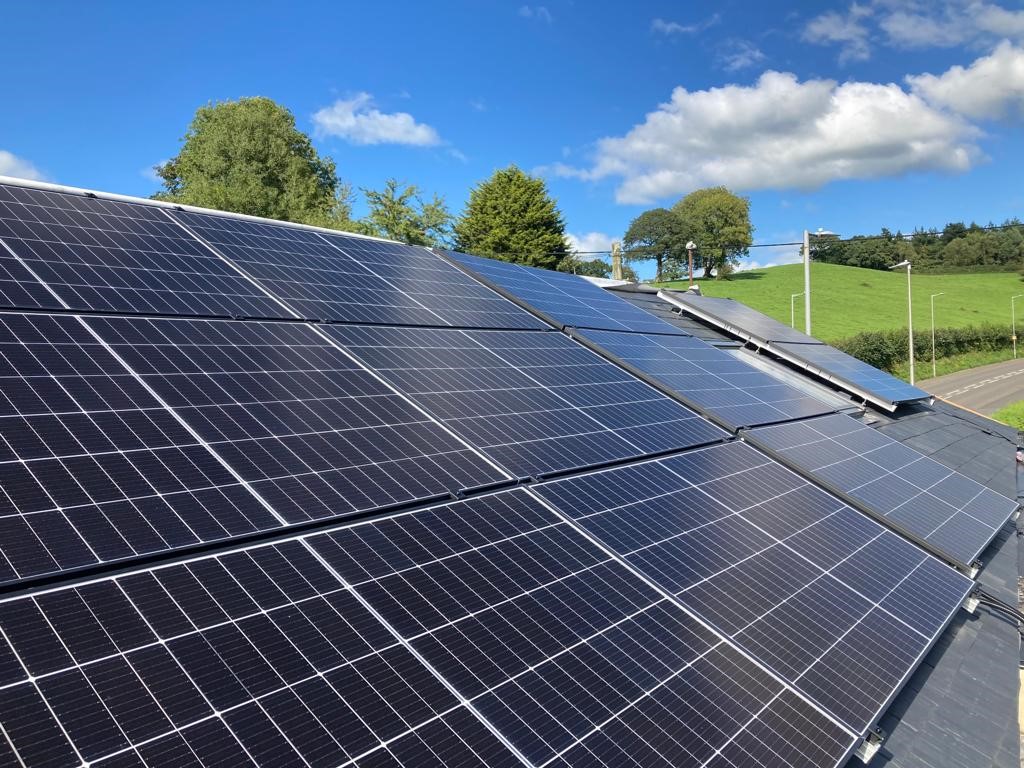
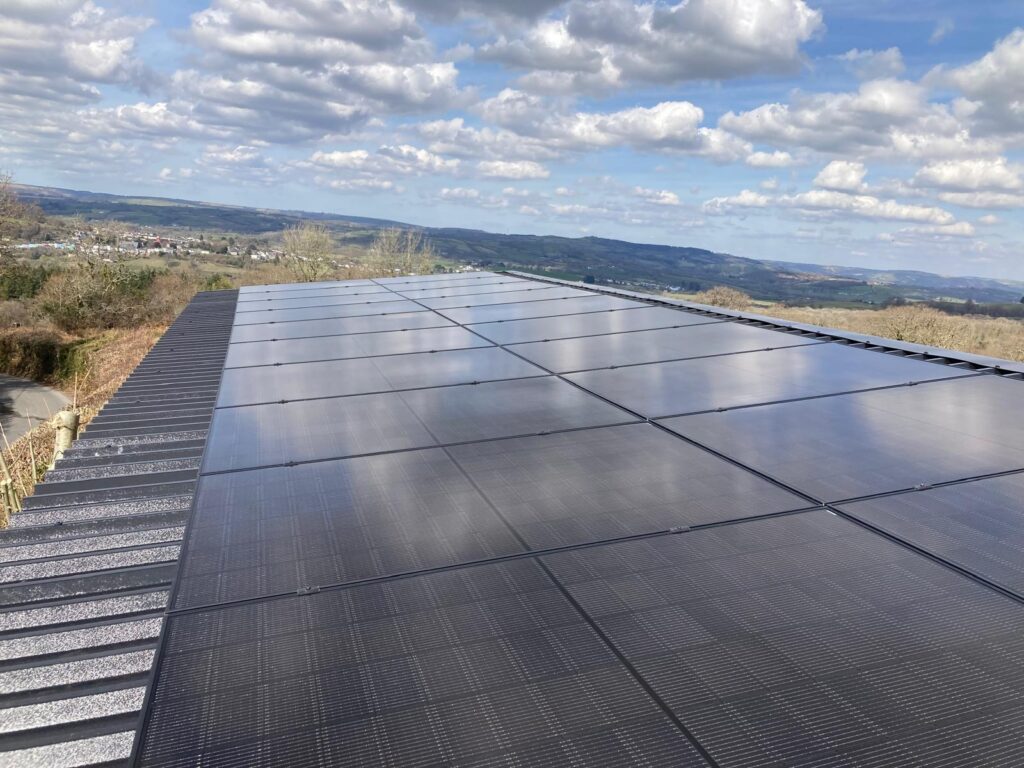
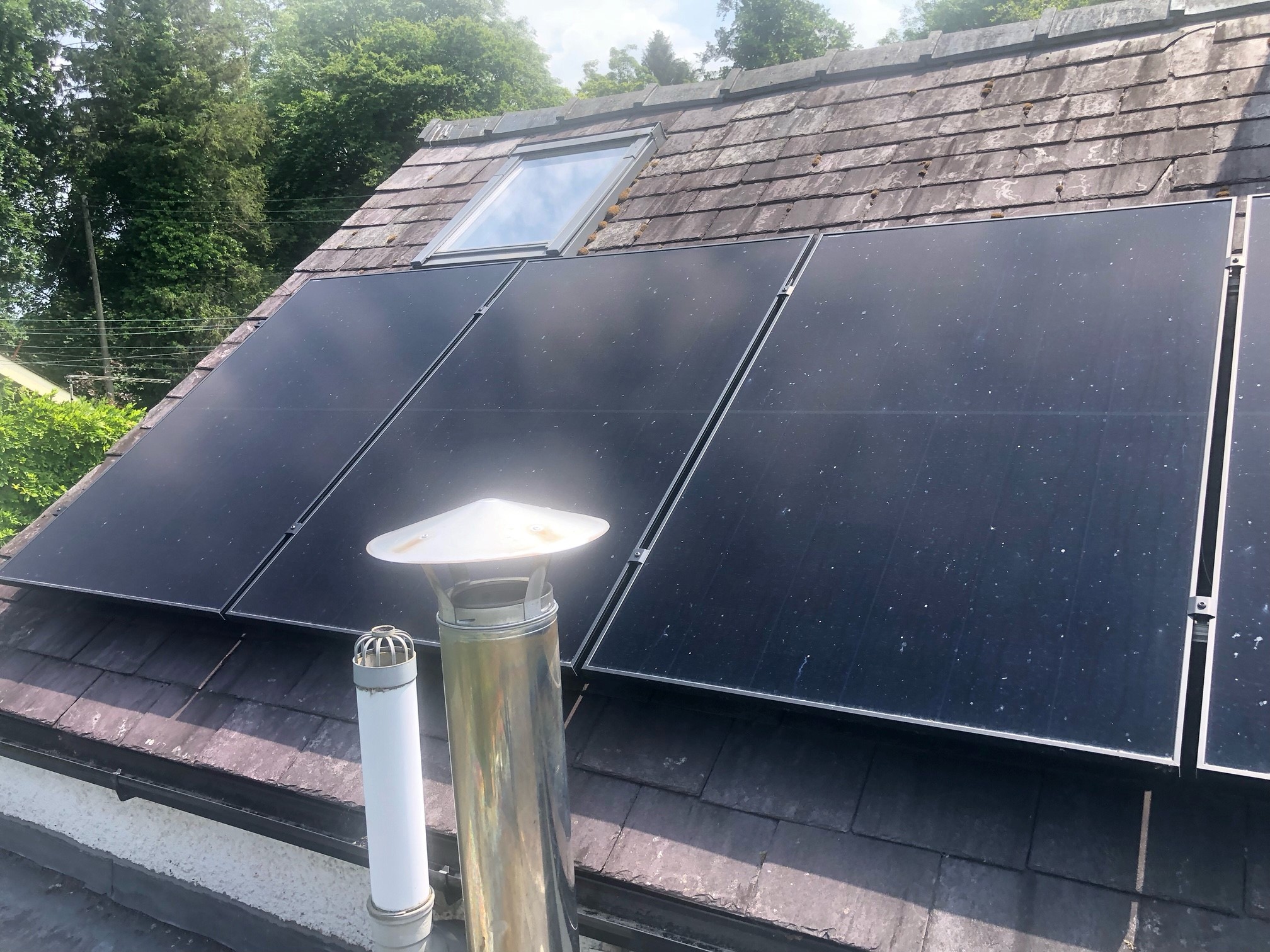
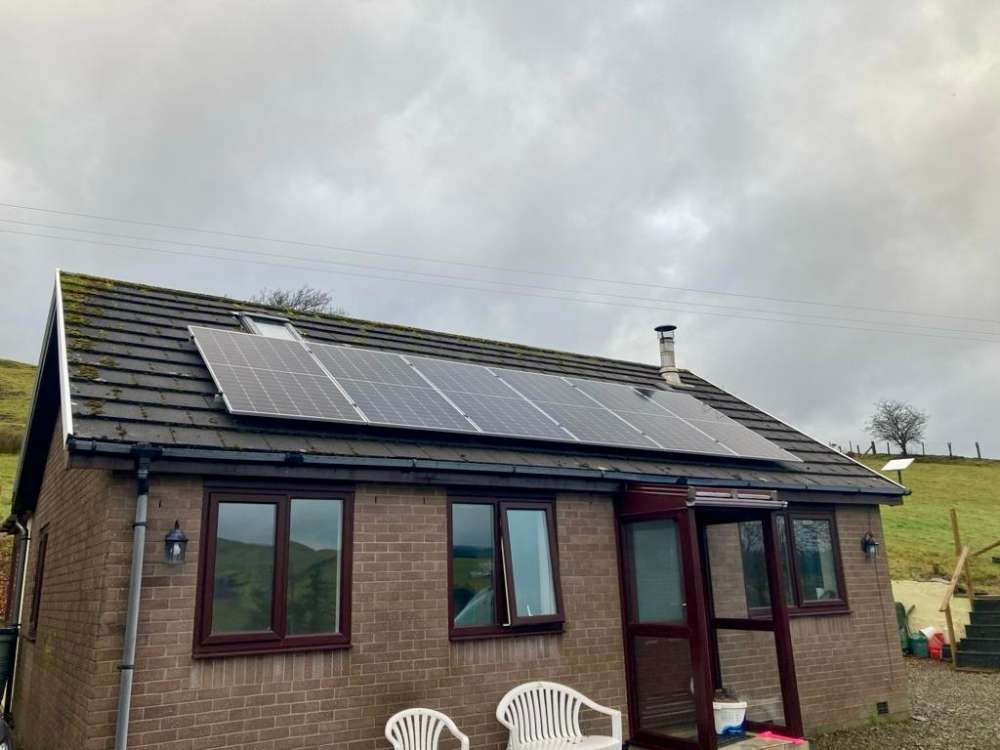
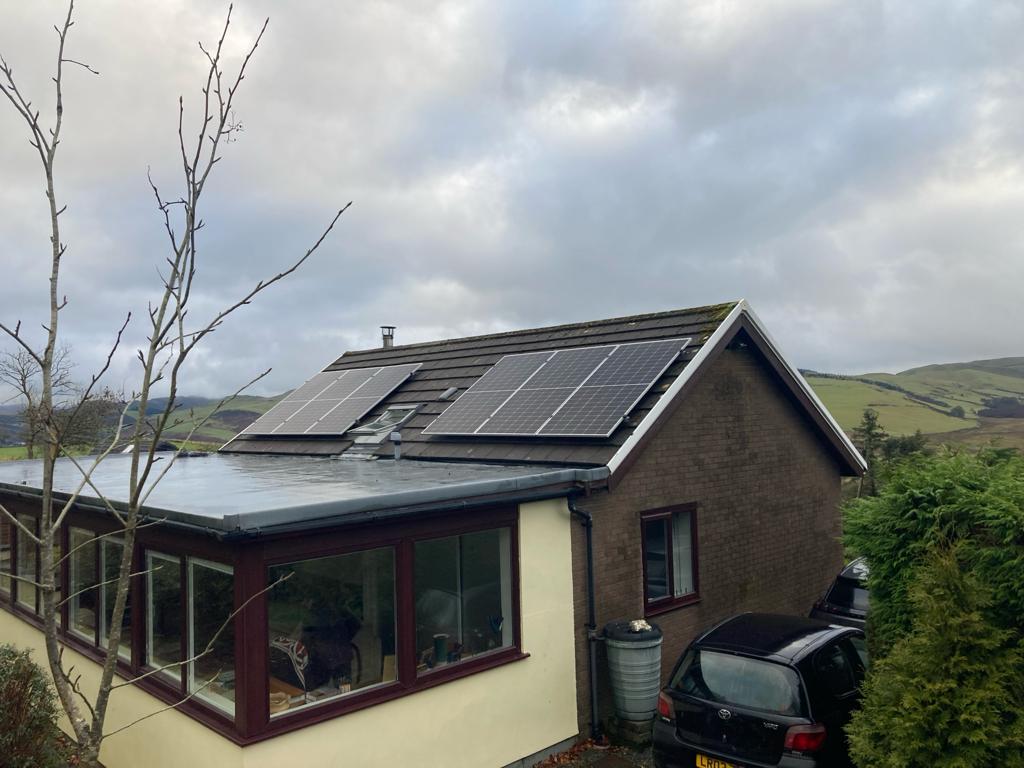
Aberystwyth home solar PV panels with battery storage and electric vehicle connected for Vehicle-to-Load energy system.

Solar PV, Battery Storage, and Vehicle-to-Load Technology in Aberystwyth

Introduction

Imagine powering your home with Solar PV, storing that energy with battery storage, and using your electric car with Vehicle-to-Load technology as a backup generator. This isn’t a vision of the future—it’s the reality for one household in Aberystwyth, Wales.

We were thrilled when a forward-thinking customer approached us with an ambitious goal: to create a fully integrated renewable energy system combining Solar PV, battery storage, and Vehicle-to-Load technology to maximize their independence from the grid. Their secret weapon? The cutting-edge V2L capabilities of their new electric vehicle.

The Ambition & The Challenge

Our customer didn’t want just solar panels, or just a battery. They wanted a seamless ecosystem where each component communicates with the others to optimize energy usage and provide ultimate resilience. The key components of their vision were:

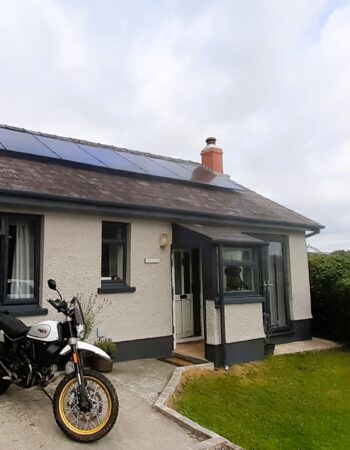
  • Solar Generation: A 4.68 kWp solar PV array to capture clean, free energy from the Welsh sun.
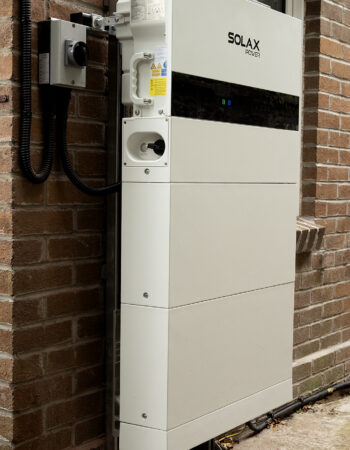
  • Energy Storage: A 5.8 kWh battery system to store excess solar power for use at night or on cloudy days.
  • Mobile Power: Vehicle-to-Load (V2L) Technology, allowing their electric vehicle to power their home during peak tariffs or a grid outage.

The primary hurdle wasn’t installing the individual parts, but ensuring they worked together as one intelligent system. Seamless communication between the solar inverter, the battery, and the EV2L system was crucial to avoid inefficiencies and unlock the full potential of their investment.

Our Solution & Remarkable Results

Our team designed and installed a bespoke system built on synergy:

  • The Heart of the Home: The 4.68 kWp solar array was installed to efficiently cover the roof, acting as the primary power plant.
  • The Energy Bank: The 5.8 kWh battery was integrated to store every possible watt of solar energy, minimizing grid import.
  • The Game-Changer: We implemented the EV2L capability, turning the customer’s electric vehicle into a mobile, high-capacity power reservoir. Now, when the battery is low or grid prices are high, the car can effortlessly supply power to the house.

The Results:

  • Dramatic Cost Savings: 66% reduction in electricity bills from April to May.
  • Unprecedented Energy Independence: The solar PV and battery combo covers the vast majority of daily needs.
  • Total Peace of Mind: EV2L system provides a powerful backup solution during power cuts or peak-time electricity tariffs.

This project in Aberystwyth is a blueprint for the modern, resilient, and efficient home. It proves that by intelligently integrating solar PV, battery storage, and electric vehicle technology, homeowners can achieve significant financial savings and complete energy security.

Read More
Best Ways to Use Solar Panels at Home

Best Ways to Use Solar Panels at Home: Experience the Real Magic of Solar

Best Ways to Use Solar Panels at Home

You probably already know that solar panels are a smart way to cut your energy bills and reduce your carbon footprint. But if you think that’s all they do, you’re only seeing part of the picture. The real power of solar comes from integrating it with other modern home technologies. By pairing your panels with a battery, heat pump, or EV charger, you can create a home that is more self-sufficient, environmentally friendly, and economical.

Solar Panels and Batteries: Store Your Energy for Later

Here’s a common solar dilemma: your panels produce the most electricity when you’re least likely to be home to use it. Without a way to capture that surplus, it simply flows back to the grid.

This is where a solar battery can help. Think of it as your personal energy reservoir—storing clean, free power during the day so you can use it in the evening when you need it most, for lights, appliances, and family entertainment.

Why it’s worth considering:

  • Power when you need it: Use stored energy at night or during peak times.
  • Reduced grid reliance: Rely less on electricity from your provider.
  • Extra income: Sell surplus energy back to the grid.

Solar Panels and Heat Pumps: Keeping Your Home Comfortable

Heating and cooling often account for the largest portion of home energy bills. Pairing solar panels with an air source heat pump (ASHP) is one of the most effective ways to tackle these costs. Because heat pumps run on electricity, your solar system can power your home’s heating and cooling directly, making the most of renewable energy. Benefits of combining solar with a heat pump:
  • Lower energy bills: Solar can cover 50–80% of a heat pump’s electricity needs.
  • Smart energy use: Modern systems can prioritise solar energy during daylight hours.
  • Faster payback: Combining solar with an ASHP can reduce your system’s payback from eight to five years.
Things to consider:
  • Roof space: The number of panels depends on your home and heat pump size.
  • Battery storage: Optional, but useful for storing energy for nighttime heating.
  • Example: A 3-bedroom home with a 9kW heat pump might need 12–16 solar panels (around 4kW) to cover 60–80% of its energy needs.
Even in winter, modern heat pumps work efficiently down to -15°C. Solar panels produce less during these months, but grid electricity can back up your system at a lower cost than gas.
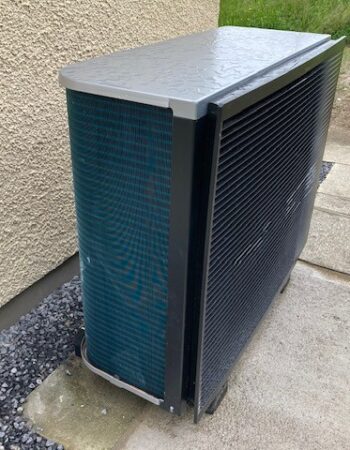
Daikine Air Soure Heat Pump installed in Carmarthen by Solar Save Renewables.

Solar Panels and EV Charging: Using Your Solar for Everyday Driving

If you own an electric vehicle (EV), charging it with solar power is a great way to save money and reduce your carbon footprint. Typical solar EV setup in the UK:
  • Panels: 6–12 (2–4kW system) to generate clean energy.
  • EV charger: Solar-compatible models like the zappi.
  • Battery storage (optional): Charge overnight with stored solar energy.
  • Example: A 4kW system in Wales could provide roughly 8,000 miles of driving per year for a Nissan Leaf.
Why install a home EV charger?
  • Convenience: Wake up to a fully charged car every morning.
  • Cost savings: Up to 80% cheaper than public chargers.
  • Energy independence: Charge whenever it suits you, without relying on public infrastructure.
  • Eco-friendly: Drive using renewable energy.
By combining solar panels with a battery, heat pump, or EV charger, you can make your home more energy-efficient, flexible, and less dependent on the grid. It’s all about using the electricity your panels generate in the smartest way—whether that’s keeping your home warm, storing power for later, or charging your car. With a setup that fits your home and lifestyle, solar energy can become a simple, everyday part of how you live more sustainably.
Read More
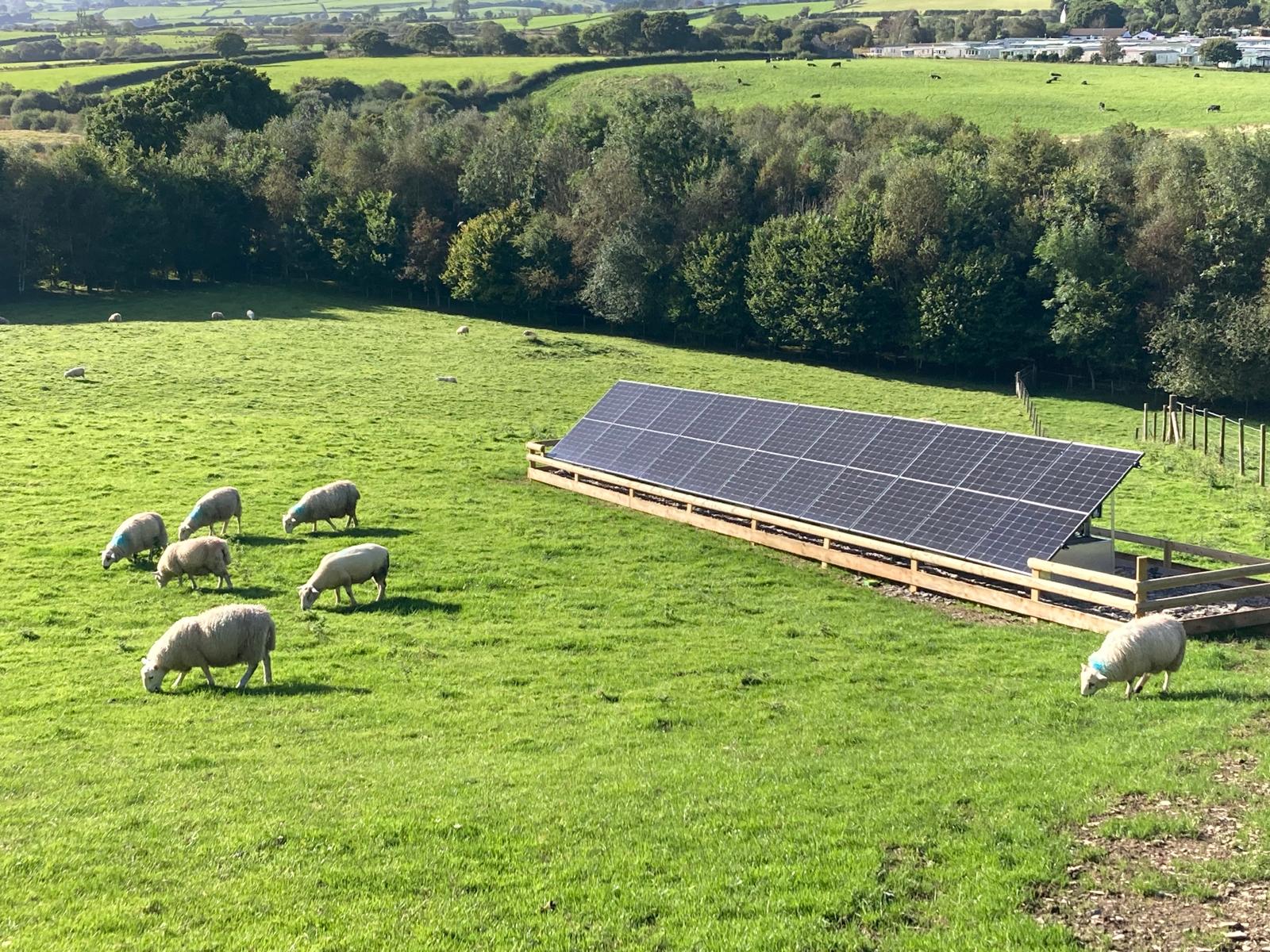
ground mounted solar panels _farm_Wales

The Truth About How Many Solar Panels You Need

Planning to install solar panels at home but not sure how many you need? The answer depends on your household’s energy use, roof size, and future plans. While most UK homes require around 10–14 panels, this guide will help you estimate the right system size for your property and understand what factors to consider before installation.

Real-Life Example

The Davies family from Llandeilo have a four-bedroom detached home using 4,800 kWh per year. After installing a 13-panel solar system, they now cover 92% of their annual electricity needs. Their battery stores excess energy for evening use, so they only buy electricity during the coldest winter months.

Step-by-Step Calculation for Wales

1. Find Your Annual Electricity Usage (kWh)

This is the most important starting point — you’ll find it on your electricity bill. UK averages (Ofgem 2024):
  • Small, energy-efficient flat: 1,800–2,000 kWh per year
  • Typical 3-bedroom house: 3,100–4,200 kWh per year
  • Large home with electric heating or EV: 8,000–12,000+ kWh per year
For this example, let’s use a typical 3-bedroom Welsh home consuming 3,600 kWh per year.

2. Estimate Your Ideal System Size (kWp)

We can estimate system size using this simplified formula, adjusted for Welsh solar conditions: System size (kWp) = Annual electricity use (kWh) ÷ (Annual sunlight hours × System efficiency)
  • Average annual sunlight hours in Wales: 3.0 hours/day × 365 = 1,095 hours
  • System efficiency: typically 85% (0.85), accounting for inverter and temperature losses
Calculation: 3,600 ÷ (1,095 × 0.85) = 3,600 ÷ 930 = ≈ 3.9 kWp

3. Calculate How Many Panels You Need

Modern high-efficiency panels in the UK range from 350W–450W. Number of panels = System size (kW) ÷ Panel wattage (kW) Using a 415W (0.415 kW) panel: 3.9 ÷ 0.415 = ≈ 9.4 panels You’d therefore need around 10 panels to meet this household’s annual electricity needs — forming a 4 kWp system.

Result Summary

Description Value
Annual usage 3,600 kWh
Average Welsh sunlight 1,095 hours
System size ~3.9 kWp
Panel size 415W
Panels needed 10
Roof area required 18–20 m² (approx.)
In short: A typical three-bedroom home in Wales would need around 10 high-efficiency panels (≈4 kWp) to meet its annual energy needs, depending on roof orientation and lifestyle.

Recommended System Size by Property Type

Property Type Recommended System Panels (440–450W) Roof Space Needed
1–2 bed terraced 2.5 kW 6 10–12 m²
3 bed semi-detached 4 kW 9 16–18 m²
4 bed detached 5.5 kW 13 23–26 m²
5+ bed detached 8 kW+ 18+ 32 m²+

Expected Annual Energy Generation

Property Type Annual Generation
1–2 bed terraced 2,125–2,250 kWh
3 bed semi-detached 3,400–3,600 kWh
4 bed detached 4,675–5,000 kWh
5+ bed detached 6,800–7,200+ kWh

UK & Wales-Specific Considerations

1. Roof Orientation Matters

  • South-facing (ideal): Generates the most electricity.
  • East or West-facing (good): Expect around 15–25% lower efficiency — you may need one or two extra panels.
  • North-facing: Usually not cost-effective for solar PV.

2. Smart Export Guarantee (SEG)

Under the UK’s SEG scheme, you’re paid for the surplus electricity your system exports to the grid.
  • Typical rates: 1p–15p per kWh exported
  • Grid import cost: around 28p per kWh
It’s therefore more beneficial to use your solar energy in real time — for example, by running appliances during daylight hours.

Enhance Your System with Battery Storage

“Adding battery storage was the best decision we made. During an October storm, our lights stayed on while neighbours were in the dark. The system paid for itself that week alone.” — The Morgan Family, Brecon (8.2kW system with 13.5kWh storage)

Battery Benefits

  • Use solar energy at night and during peak times
  • Charge your EV from stored solar power
  • Backup during power cuts
  • Optimise costs using smart tariffs

Your Action Plan

  1. Check your energy bills – find your exact annual kWh usage.
  2. Use a UK calculator – the Energy Saving Trust offers reliable solar sizing tools.
  3. Get local quotes – trusted Welsh installers can:
    • Use satellite data to assess your roof’s tilt, direction, and shading
    • Provide accurate generation forecasts for your location
    • Advise on the best SEG tariffs and battery options

Choosing the right solar panel setup isn’t about guessing — it’s about understanding how your home uses energy and what your roof can deliver. Taking time to match your system size to your real needs means better performance, lower costs, and a smoother path to long-term savings. Whether you’re just starting your research or ready to plan, understanding your ideal system size is the best first step towards making solar work for you.

Read More
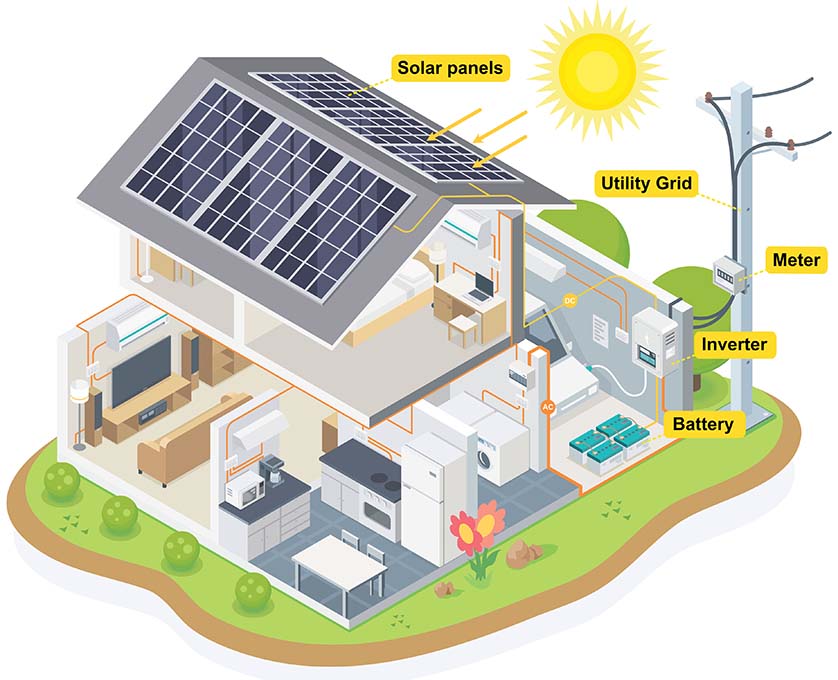
how solar panels work in the house

Solar Panels Explained: A Homeowner’s Guide to Savings & Energy Independence

Most people think solar panels are complicated, expensive, or only for eco-warriors. The truth? With the right guidance, they’re a practical, smart way to take control of your energy — and even earn money along the way.

At Solar Save Renewables, we’ve helped hundreds of homeowners across Wales and England unlock the benefits of solar power. This guide provides clear, professional insights into how solar panels work, the true costs and potential savings, how to select the right system for your home, and the benefits of adding battery storage.

What are Solar Panels?

Solar panels, also known as photovoltaic (PV) panels, convert sunlight into electricity, making them a popular and eco-friendly choice for generating your own power.

Think of a solar panel as a collection of cells that work together to capture sunlight.

Most panels are made from silicon, a material known for its durability and efficiency. Since there are no moving parts, solar panels can operate for a very long time without wearing out. Plus, they produce electricity – a practical and valuable form of energy for your home.

What happens when light hits the solar panel?

Imagine sunlight as a stream of tiny energy particles called photons. When these photons hit your solar panels, they transfer their energy to the electrons inside. This process is like giving the electrons a boost, making them jump to a higher energy level.

This energy transfer is what we call the photovoltaic effect, which is why solar panels are named photovoltaic (PV) panels. Essentially, the panels absorb sunlight and convert it into electricity.

The electricity your panels generate can power everything from lights and appliances to electric vehicles. It’s like having a mini power station right on your roof or in your backyard, all fueled by the sun!

Finding the Right Solar Panel System for You

At Solar Save Renewables, we understand that choosing the right solar system for your home can feel overwhelming. But don’t worry, we’ll guide you through every step of the process. From assessing your energy needs to selecting the perfect panels, we’re here to make the journey simple and stress-free.

Select Your Solar Panels

Based on efficiency, durability, and cost to match your energy needs and budget.

Choose the Right Inverter

The control centre of your PV system that maximises performance and efficiency.

Decide on Mounting Options

Choose from ground-mounted, on-roof, or in-roof systems to suit your property.

Consider Adding a Battery

Store excess energy for use when the sun isn’t shining and increase your independence.

How to Choose the Best Solar Panels

Solar panels are crucial for converting sunlight into electricity. Choosing the right panels can seem complicated, but we’re here to guide you through the process.

When the staff at the local school in Newcastle Emlyn reached out to us, they were unsure about which solar panels would best suit their needs. After assessing their large, south-facing roof and high daytime energy consumption, we recommended high-efficiency Q CELLS panels. “The difference was noticeable right from the first sunny day,” said the school’s headteacher. “Our system produced 15% more than the nearby school that opted for more budget-friendly panels.”

Affordable Panels

  • Trina Solar
  • Canadian Solar
  • LONGi Solar

Mid-Range Panels

  • JinkoSolar
  • JA Solar

High-Efficiency Panels

  • SolarEdge
  • Q CELLS

Solar Panel Appearance

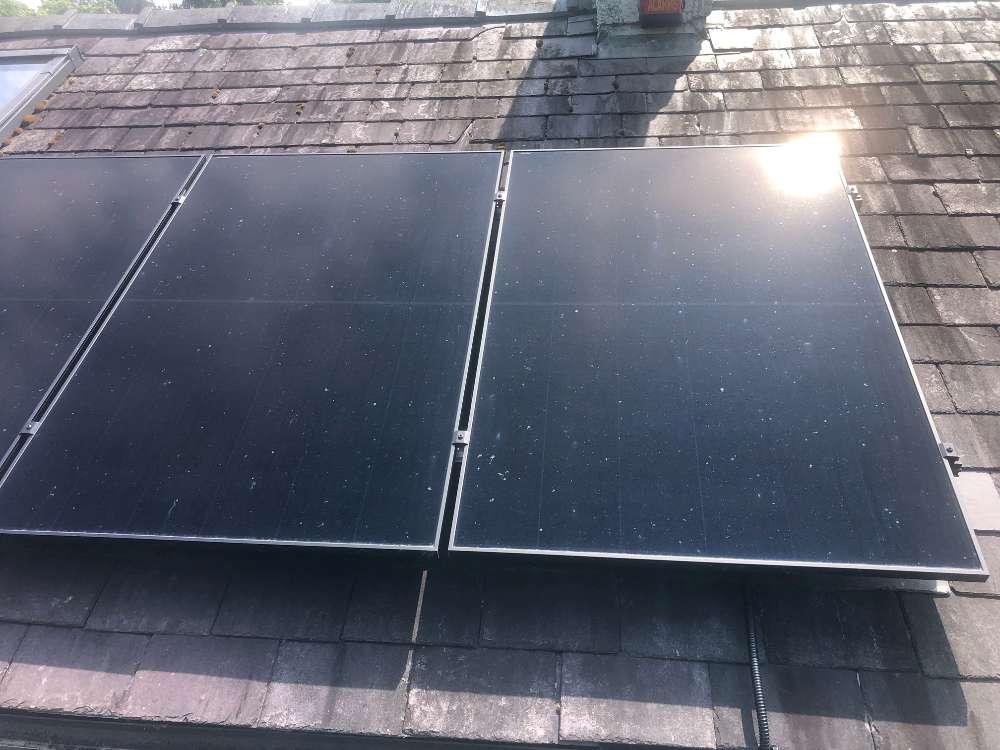
Most panels have black cells with white backs and silver frames. For a seamless look, choose all-black panels with black frames — perfect for slate roofs or integrated installations.

Silver frame solar panels on roof in Carmarthen installed by Solar Save Renewables
standard all-black solar panels in Llandeilo

 Transparent Look at Solar Installation Costs

When you invest in solar energy, it’s important to understand how your money is spent. At Solar Save Renewables, we prioritise transparency because we know it builds trust. Here’s how costs are typically distributed:

  • Equipment: Solar panels, inverter, mounting system
  • Installation: Labour and specialist equipment
  • Certification: MCS certification and compliance

“We were initially hesitant about the upfront cost, but Solar Save Renewables broke everything down clearly. Our system has already cut our electricity bills by 60% in just 6 months!” — Brian, from Llan-gain Carmarthen

Smart Export Guarantee (SEG) Tariff Overview

Who is the SEG for? The scheme is designed for individuals with systems like solar PV, wind, micro-CHP, hydro, or AD with a capacity of up to 5MW or up to 50kW.

About the Smart Export Guarantee (SEG): To qualify, your installation and installer must be certified through the Microgeneration Certification Scheme (MCS) or equivalent. As fully MCS accredited installers, we provide an MCS certificate upon completing your solar PV and battery storage installation. This ensures your installation meets the highest standards using MCS certified products.

Benefits of the SEG

Earn money by exporting any excess electricity you generate to

Read More
Solar panel and battery storage installation on a Llandeilo, Wales home by Solar Save Renewables

Revamping Home Energy: A Solar Makeover in Llandeilo

We recently had the pleasure of working on a project to enhance the energy efficiency of a home in Llandeilo, South Wales.

The property previously relied on oil-fired heating and an electric immersion heater, consuming between 7,000–8,000 kWh annually. Our mission was to reduce their reliance on grid electricity and turn their home into a shining example of energy efficiency.

Here’s how we did it: 

We designed a system featuring 10 solar panels facing southeast and 6 panels facing northwest to maximise sunlight capture. 

We selected a superior inverter and added power optimizers to ensure every panel performed efficiently, even in the shade. 

To complement the 150-year-old Welsh slate roof, we installed sleek, all-black panels that blend seamlessly with the home’s classic look. 

Project Highlights Location: Llandeilo, South Wales, UK
System Size: 16 solar panels (10 SE-facing, 6 NW-facing)
Battery Storage: N/A (grid export system)
Orientation & Technology: Southeast and northwest-facing panels with power optimizers for maximum efficiency
Additional Features: Real-time monitoring and surplus export to Octopus Energy

The Benefits

  • The results have been incredible. Their daily electricity use dropped to just 6 kWh, greatly reducing their grid dependence. The system handles peak power effortlessly, and thanks to real-time monitoring software, any surplus is swiftly exported to Octopus Energy. On sunny May days, the system can generate up to 38 kWh — 10 kWh for home use and 28 kWh sent back to the grid. With an estimated payback period of just 9 years, they’re set to enjoy substantial savings. They now generate three-quarters of the electricity they once bought, reaping both financial rewards and making a positive impact on the environment.
Customer Feedback

They loved how prompt our responses were, how thorough our assessments were, and how meticulously we handled the installation. They found the whole process smooth and stress-free, reinforcing our reputation for quality and reliability in the local area.
Read on for our customer’s experience in their own words:

“I can highly recommend the enthusiasm, passion, and competence of Solar Save Renewables based in Llandeilo, South Wales. 12 years ago, I had a basic solar system installed by others, and although I am a competent amateur when it comes to cost-effectiveness of solar arrays, the time had now come for my parents’ bungalow to have solar installed.

Daily import pre-solar varied from 30 kWh in winter to 18 kWh in summer, totaling 7–8,000 kWh a year. Post-install, solar import has been as low as 6 kWh a day. Of all the companies contacted, only Solar Save Renewables responded promptly, attended when they said they would, carried out a thorough assessment, and were patient with my elderly parents and myself.

The installation, completed about three weeks later, involved a roofer, an electrician, and the owner of the company working for 2½ days. Impressively, at the end of each day, the site was virtually spotless. All team members were professional, knowledgeable, and easy-going.

After-sales service has been excellent. Petar genuinely seems proud of his work, which is reflected in the positive local reviews. This was a virtually stress-free project, and I can totally recommend Solar Save Renewables.”

Mark Goodwin,
Llandeilo, South Wales
Read More
Home in Llangadog, Wales with 12 solar panels and EV charger installed by Solar Save Renewables

Renewable Energy Solution for a typical Two-Bedroom Home, Llangadog

A few months ago, a couple from Llangadog, Wales came across our advert and decided to explore the possibility of installing a solar energy system in their home. They were initially unsure about which company to choose for this project, so they took advantage of our free home visit and site survey. Impressed by our personal, professional approach and our thorough, prompt quotations, the customer happily chose us for their installation.   The Solution: Within just 10 days of finalising paperwork, our team got to work. Featuring 12 solar panels and two storage batteries, the installation was completed swiftly with minimal disruption to the customer’s daily routine. As part of our service, we also took care of all the insurance and certification paperwork, lifting the administrative burden off our customer’s shoulders. Encouraged by their positive experience, the couple later asked us to add an electric vehicle (EV) charger, further enhancing their home’s energy efficiency.
Project Highlights Location: Llangadog, Wales, UK
System Size: 12 solar panels (approx. 5.4 kWp)
Battery Storage: 2 storage batteries
Orientation & Technology: Panels optimised for roof orientation and maximum daily generation
Additional Features: EV charger integration for enhanced home energy efficiency

Customer Feedback

The Walters praised our team for their professional, knowledgeable service and clear communication. They appreciated the swift, efficient installation and the comprehensive support provided during and after the installation.

“I was initially apprehensive in my search for a suitable company to install a solar energy system at my home. Nevertheless, I came across an advert for Solar Save Renewables, Llandeilo, and arranged a home visit. Within a couple of days of my initial phone call, Petar Pavlov of Solar Save Renewables attended my home and carried out a site survey. From the outset, I was impressed by his professional approach, technical knowledge, and ‘can do’ attitude. He explained everything in layman’s terms and presented a comprehensive quotation suitable for our needs.”

“Within 10 days of signing the relevant paperwork, Petar and his electrician Dan began the installation work. We made a last-minute decision to include an additional storage battery, which was ordered and included without delay. The installation package included a 2-year Home Improvement Protection insurance, an MCS Certificate of competence, and a Building Regulations Certificate. Petar and Diana handled all the necessary paperwork and contact with the National Grid, removing the stress for us.”

“The work was completed in a matter of days with minimal disruption to the daily running of our house. We are very pleased with the system that has been fitted, which includes 12 solar panels together with two storage batteries. I would recommend Petar and his team at Solar Save Renewables to anyone considering a solar energy system.”

, Llangadog, Wales
Read More
East-west facing solar panels with optimizers and battery storage installed on a rural Wales bungalow roof.

Rural Solar Optimisation on a Unique Roof in Aberystwyth

Charlie and Glen’s Solar Journey: Devil’s Bridge, Aberystwyth

Charlie and Glen from Devil’s Bridge, Aberystwyth, sought our expertise to address their rising electricity costs and explore sustainable energy solutions. We stepped in to design, deliver, and install a state-of-the-art 6.00kWp solar PV system, complemented by a 5.8kWh battery storage solution.

Despite facing a series of challenges, our dedicated team expertly navigated every obstacle, ensuring the project was completed successfully and exceeded our customers’ expectations.

The Solution:

When Charlie approached us with the question, “Can I install solar panels on an East-West facing roof?” we knew it would be a unique challenge. East-facing panels optimally catch the morning sun, while West-facing panels soak up the afternoon rays.

To maximise energy generation throughout the day, we installed a combination of East and West-facing panels.

Given the roof’s unique orientation, we chose high-power output panels to ensure efficient energy capture, no matter which direction they face. This smart setup guarantees optimal performance and energy savings.

We also had to manage the relocation of existing ventilation systems and tackle the unexpected challenge of rocky soil in the area.

Project Highlights


Location: Devil’s Bridge, Aberystwyth, Wales, UK
System Size: 6.00 kWp (Domestic)
Battery Storage: 5.8 kWh
Orientation & Technology: East-west facing panels for balanced daily generation
Panel Choice: High-output panels selected to maximise energy yield


Overcoming Site Challenges
Relocating existing ventilation systems required careful planning to maintain airflow without interfering with the new panels. The rocky soil also posed difficulties for ground-mounted supports and cabling, but our team used specialist equipment and precise site mapping to ensure safe, stable, and efficient installation.

Customer Feedback

Despite the harsh Welsh winter weather, the project concluded successfully. The glowing feedback from Charlie and Glen is the ultimate reward for our commitment to excellent service and customer satisfaction. Here’s what they had to say upon completion:

“Thank you once again for doing such a fantastic job in spite of the weather conditions. We couldn’t be more pleased with the outcome and we would be happy to recommend you to anyone.”

— Charlie and Glen
Read More